

New trends in calcium carbonate processing: working principle and application advantages of vertical roller mill
Published on: March 21, 2025
Calcium carbonate processing is experiencing a significant transformation as industries demand higher fineness, lower energy consumption, and stricter environmental compliance. The vertical roller mill (VRM) has emerged as a game-changing technology in this sector, offering an integrated solution that combines grinding, drying, and classification in a single unit. Unlike traditional ball milling systems, VRMs operate on the principle of material bed grinding, where the material is crushed between a rotating grinding table and stationary rollers, resulting in 30-40% lower energy consumption and significantly reduced floor space requirements. This article explores the working principles, operational benefits, and application advantages of vertical roller mills specifically for calcium carbonate (GCC) processing, drawing on the latest developments in mill technology and real-world industrial practice. We will also address common operational pain points such as wear, product quality consistency, and automation challenges, providing practical insights for plant managers and process engineers.
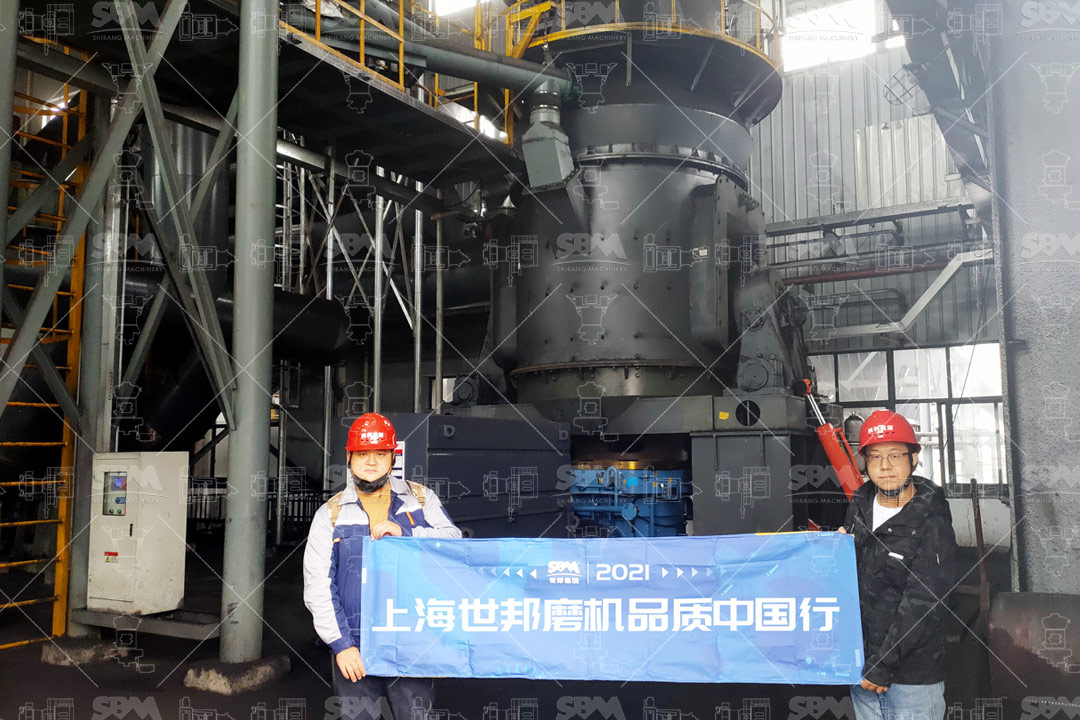
Working Principle of the Vertical Roller Mill
At the heart of the vertical roller mill's efficiency lies its unique grinding mechanism, which differs fundamentally from the impact-based crushing in ball mills or the centrifugal force in Raymond mills. The core process begins with the material being fed through a central chute onto the center of a rotating grinding table. Centrifugal force carries the material outward toward the grinding zone, where it forms a stable material bed.
The grinding table rotates at a controlled speed, typically between 20 to 50 RPM depending on mill size, while two to four large rollers (each weighing several tons) press down on the material bed with hydraulic pressure. These rollers are not in direct contact with the table—a crucial design feature that prevents metal-to-metal wear and extends component life. The grinding pressure is adjustable, ranging from 5 to 12 MPa, allowing operators to fine-tune the process based on feed moisture and target fineness.
As the material passes under the rollers, it is crushed and sheared into fine particles. The ground material then spills over the edge of the table and is picked up by an upward stream of hot air (in drying applications) or ambient air (for pure size reduction). This air stream serves a dual purpose: it conveys the fine particles to the dynamic classifier at the top of the mill, and it provides heat transfer for drying in high-moisture applications.
The dynamic classifier is a key differentiator of modern VRMs. It typically features a rotating cage rotor that creates a centrifugal field, segregating fine particles (which pass through) from oversized particles (which are rejected and returned to the grinding table for further reduction). The rotor speed is variable, enabling precise control over product fineness across a range from 30 to 400 mesh or even finer to 2500 mesh when equipped with an ultrafine classifier option. This closed-loop sorting ensures that the final product meets tight particle size distribution (PSD) requirements, which are critical for applications like paper coating or PVC masterbatch production.
One of the most innovative aspects of the vertical roller mill is its integrated drying capability. In calcium carbonate processing, especially for wet-processed ores or those with high surface moisture, the VRM can use hot gases from a separate heat source (e.g., a hot stove or waste heat recovery system) to dry the material as it is being ground. This eliminates the need for a separate dryer, simplifying the process flow and reducing capital costs. The air flow rate and temperature are controlled by advanced PLC/DCS systems, ensuring stable outlet moisture content even when feed conditions fluctuate.
Application Advantages for Calcium Carbonate Processing
The adoption of vertical roller mills in the calcium carbonate industry is not a passing trend; it represents a fundamental shift driven by tangible operational benefits. Let's examine the key advantages in detail, focusing on how they address the most common challenges faced by GCC producers.
1. Significant Reduction in Energy Consumption
Energy costs are often the single largest operating expense in grinding operations, typically accounting for 40-60% of total production costs. Comparative studies have consistently shown that VRMs consume 30% to 40% less energy than traditional ball milling systems for the same throughput and fineness. This remarkable efficiency stems from two factors: the material bed grinding principle, where the majority of energy is applied directly to particle breakage rather than moving internal media, and the direct grinding action that avoids the energy losses associated with rotating a heavy drum filled with steel balls. In practice, a VRM producing 50 tph of 325-mesh GCC can save approximately 1.5 MW-h per hour of operation compared to a ball mill, resulting in annual electricity cost savings of hundreds of thousands of dollars for continuous production plants.
2. Compact Footprint and Simplified System Design
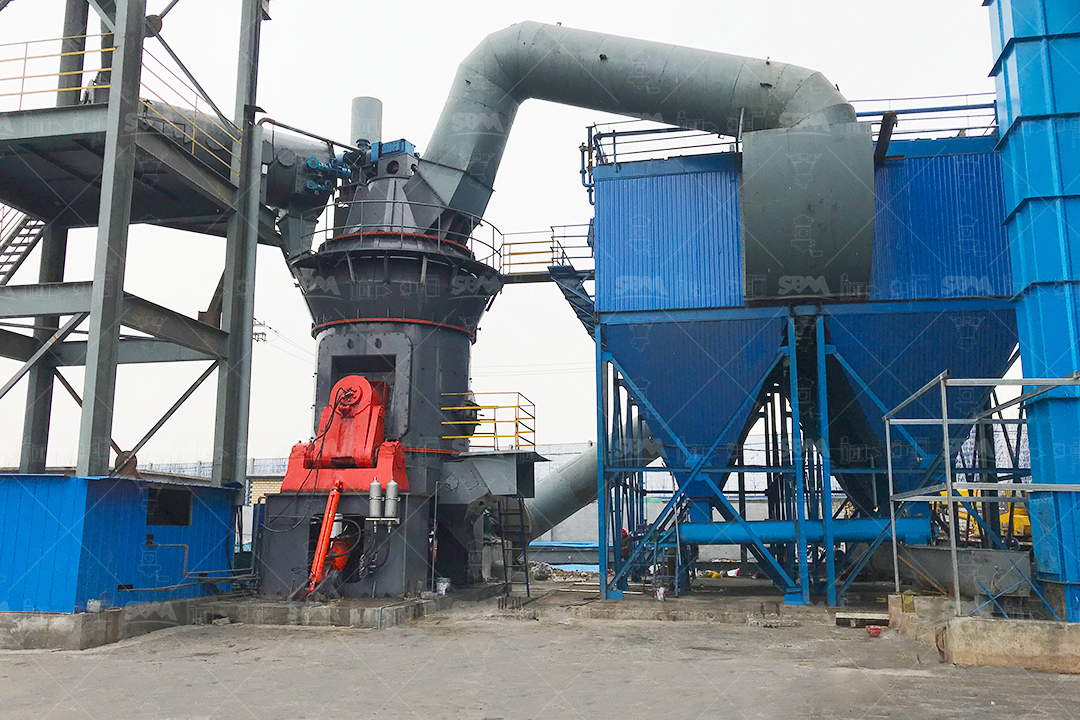
Traditional grinding circuits occupy considerable floor space, requiring separate units for crushing, grinding, classifying, and material handling. A VRM combines all these functions into a single vessel. The equipment floor area is about 50% of that required for a comparable ball mill system, and because the system is fully enclosed and operates under negative pressure, it can be installed outdoors, reducing building costs. This compactness becomes particularly valuable in retrofit projects where space constraints are common, or in new greenfield plants where land costs are at a premium. The simplified material flow also reduces the number of conveyors, elevators, and auxiliary equipment, lowering both capital expenditure (without operating at any specific price point) and maintenance complexity.
3. Enhanced Wear Life and Lower Maintenance Costs
Wear of grinding elements has been a historical pain point for calcium carbonate processors. In ball mills, the grinding media (steel balls) experience constant attrition and must be replaced frequently, often requiring a shutdown for maintenance. The vertical roller mill's design inherently reduces wear-related issues in two ways. First, the grinding rollers and table liners are manufactured from high-chromium or composite alloy materials with documented service lives several times longer than those of traditional Raymond mill roller assemblies. Second, the 'no-contact' design—where the roller does not touch the table surface under normal operating conditions—minimizes the abrasive wear that occurs in other mill types. When replacement is eventually needed, the modular construction allows for the exchange of the grinding roller shell or wear segments without dismantling the entire mill. These design improvements translate into lower maintenance costs and higher availability, which in turn improve the overall economic efficiency of the grinding operation.
4. Superior and Consistent Product Quality
For calcium carbonate producers, achieving consistent fineness and particle size distribution (PSD) is non-negotiable for meeting customer specifications. The VRM's dynamic classifier and independent control of grinding pressure, table speed, and classifier rotor speed provide a level of process control that is difficult to match. Modern VRMs are equipped with PLC-based automation systems that enable real-time monitoring and adjustment of key parameters. For example, the grinding pressure can be adjusted within seconds to compensate for variations in feed hardness, ensuring that the product fineness remains within ±1% of the target value. The ability to set the classifier speed via frequency converter allows the plant to switch between different product grades (e.g., from 800 mesh to 1250 mesh) within minutes, giving producers valuable flexibility in market responsiveness. Furthermore, the closed-loop control of the system temperature and air flow prevents overheating, which is especially important for preserving the brightness and whiteness of the calcium carbonate—a critical quality attribute for paper and paint applications.
5. Respect for Environmental Regulations and Operator Safety
Environmental and safety standards have become increasingly stringent worldwide. The VRM offers inherent compliance advantages. It operates under negative pressure, which effectively prevents dust from escaping the system and contaminating the surrounding environment. The compact design and the use of high-efficiency pulse-jet dust collectors on the mill's outlet ensure very low dust emissions, far below typical national standards. Additionally, the low vibration levels and the quiet operation of the gearbox and grinding components contribute to a noise level significantly lower than that of a ball mill, creating a more comfortable working environment for operators. Safety is further enhanced by automatic interlocks and sensors that monitor temperature, vibration, and pressure, triggering an emergency shutdown if abnormal conditions are detected, thereby protecting both personnel and equipment.
Case Understanding: How the VRM Addresses Common Customer Points
Customers often approach us with specific concerns, and the VRM technology (such as the LM series mills) provides practical solutions to each. For instance, one frequent complaint is the high operational cost of conventional grinding systems. Switching to a VRM can lead to a measurable reduction in cost per ton, driven by energy savings, fewer wear parts, and lower labor costs due to automation. Another issue is the difficulty in achieving fine and ultra-fine grinding (below 20 micrometers) for high-value applications like plastic masterbatch production. In such cases, we recommend pairing the VRM with a supplementary ultrafine mill (like the SCM series) for achieving D97 ≤ 5 micrometers, or using a specialized ultrafine vertical mill (LUM series) that integrates ultrafine classification, ensuring consistent high quality. For clients worried about process complexity, the VRM's integration of grinding, drying, and classification eliminates the need for multiple pieces of equipment, simplifying operation and training requirements. The automated control system also reduces dependency on operator skill, minimizing human error and enhancing consistency. Lastly, flexibility in production is a common demand; a VRM's ability to adjust output mesh from 30 to 400 mesh without major mechanical changes provides the agility needed to meet diverse customer requirements. While this guide focuses on the technical and operational aspects, it's important to remember that choosing the right equipment configuration requires a thorough analysis of your specific raw material and product targets.
Conclusion
In conclusion, the vertical roller mill has established itself as the preferred grinding technology for calcium carbonate processing due to its robust design, operational efficiency, and product quality control. The technological advancements in wear protection, dynamic classification, and intelligent automation directly address the industry's pain points of energy consumption, maintenance costs, and product consistency. As the world continues to demand more sustainable and efficient industrial processes, the adoption of VRMs will undoubtedly grow. For processors considering an upgrade or new installation, evaluating the specific capabilities of advanced VRM models against their production goals is an essential first step toward enhancing profitability and competitiveness. Whether you are producing fine powders for paper or ultra-fine grades for high-end materials, the vertical roller mill offers a future-proof solution that delivers on multiple fronts.
FAQ
Q1: I have been using a ball mill for years. What is the biggest change I will notice when switching to a vertical roller mill?
The most immediate difference you will notice is the significant reduction in energy consumption, typically 30-40% lower. You will also see a major reduction in the floor space required because the VRM combines crushing, grinding, drying, and classification in one unit. The maintenance requirements will also change dramatically; you will no longer need to periodically stop the mill to add steel balls, and the wear life of the grinding parts is much longer.
Q2: My feed material has a moisture content of around 5%. Can a vertical roller mill handle this without a separate drying unit?
Yes, absolutely. One of the advantages of the VRM is its integrated drying function. The mill uses a controlled stream of hot air that enters the mill and dries the material while it is being ground. This air flow also serves to transport the ground particles to the classifier. Your feed with 5% moisture is well within the typical drying capacity of the VRM, which can handle up to 10-15% moisture depending on the heat source and the mill configuration.
Q3: I need to produce very fine calcium carbonate powder for the filler market, around 1250 mesh. Is the VRM suitable, or do I need additional equipment?
A standard VRM can produce material with a fineness of up to around 400 mesh efficiently. For ultra-fine grades like 1250 mesh (which corresponds to about D97 < 10 micrometers), you would typically need a separate ultra-fine grinding stage. Many operators use the VRM for the primary grinding stage to produce a coarse powder, and then send this intermediate product to an ultra-fine mill, such as an SCM series mill, to achieve the final ultra-fine particle size. There are also specialized VRM designs with enhanced classifiers and mills, like the LUM series, specifically engineered for ultra-fine output.
Q4: We are worried about equipment failure and downtime. How reliable is the vertical roller mill technology?
Modern vertical roller mills are designed with high reliability in mind, incorporating advanced condition monitoring and automatic control systems. Features like pneumatic or hydraulic systems, which control the grinding pressure, have built-in safety interlocks. The grinding rollers and table liners are made from high-quality, wear-resistant alloys, which significantly reduces the risk of unexpected wear failures. The overall vibration levels are low, which reduces mechanical stress. With regular maintenance as per the manufacturer's guidelines, the VRM can achieve a very high availability rate, often exceeding 95%.
Q5: How can I ensure consistent product quality when the feed material from the mine varies in hardness?
The VRM features an expert control system that continuously monitors the grinding pressure, motor current, and classifier speed in real-time. If the feed becomes harder, the system automatically increases the grinding pressure to maintain the same level of production and fineness. Likewise, the classifier rotor speed is regulated via frequency converters, ensuring a consistent particle size distribution. This smart automation system effectively handles variations in feed, providing a very stable final product without the need for constant manual intervention. This is one of the greatest operational advantages of this technology.


