

Key design points of activated carbon grinding process
Activated carbon grinding is a critical step in producing powdered or granular activated carbon for applications ranging from water purification to gas adsorption. The design of the grinding process directly influences particle size distribution, surface area integrity, and throughput efficiency. As a total solution provider for grinding equipment, SBM Machinery has engineered several mill types—each with distinct design philosophies—to address the unique challenges of activated carbon, including its abrasiveness, porosity, and thermal sensitivity. This article outlines the key design points across different mill geometries, focusing on mechanical reliability, energy efficiency, particle fineness control, and environmental compliance, while integrating practical insights for plant operators and process engineers.
Understanding Activated Carbon's Grinding Challenges
Activated carbon is inherently abrasive due to its high fixed carbon content and porous structure. During grinding, two major issues arise: rapid wear of grinding components and potential pore structure collapse if heat generation or impact energy is excessive. Therefore, the grinding process must balance size reduction with preservation of the material's adsorptive properties. Additionally, activated carbon's low bulk density (often 0.4–0.6 g/cm³) affects feeding consistency and classifier efficiency. Hence, equipment design must incorporate features that accommodate these physical characteristics while delivering narrow particle size distributions (typically 325–4000 mesh for ultrafine applications).
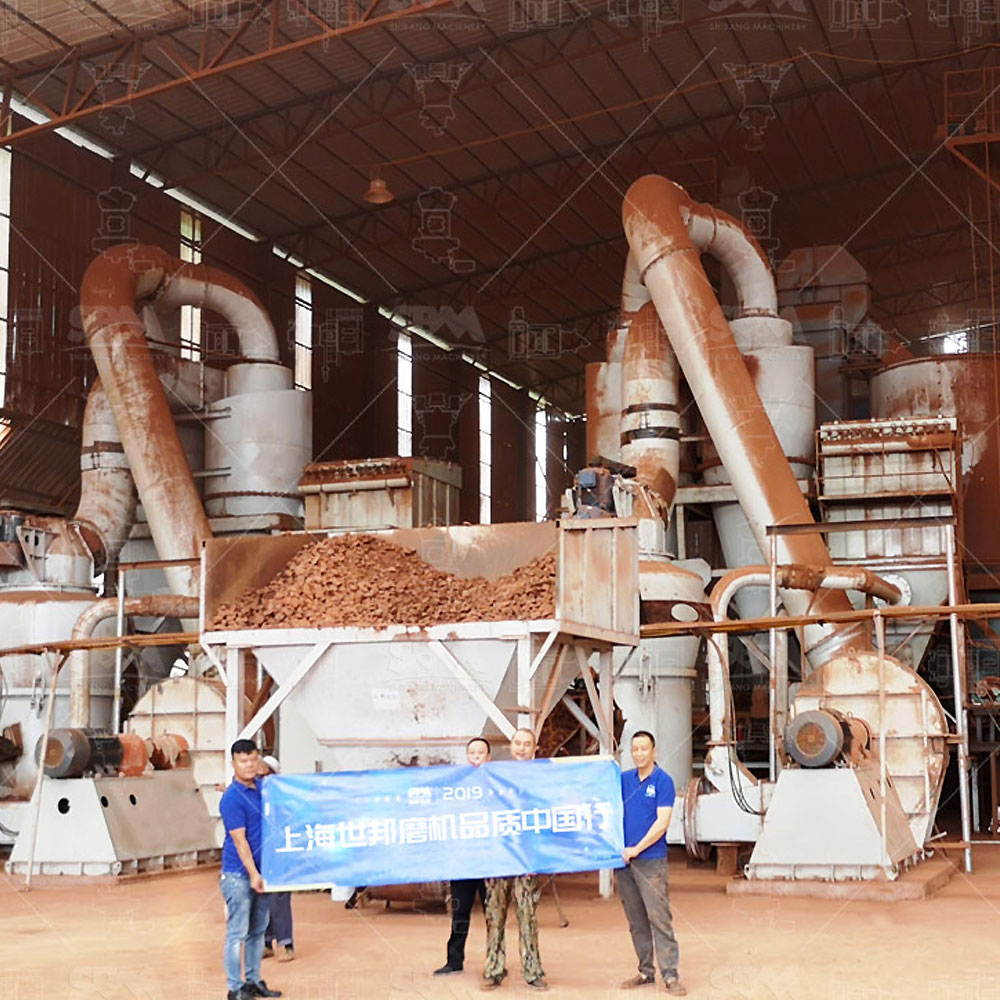
Key Design Point 1: Wear-Resistant Components in MTW European Trapezium Mill
For activated carbon grinding in the 30–400 mesh range, the MTW Series European Trapezium Grinding Mill presents a robust solution. One of the most critical design aspects is its combined-type shovel blade. Traditionally, shovel blades in raymond mills are subject to frequent replacement due to abrasive wear. SBM's design incorporates a unique wear-proof perching knife where only the blade tip is replaced during maintenance, significantly lowering operating costs and downtime. The curved shovel blade geometry changes the feeding angle, ensuring that materials are continuously directed toward the grinding zone without accumulating on the roller or ring—a common issue with fibrous or low-density substances like activated carbon.
Another key design feature is the arc air duct. The circular duct prevents air energy loss, which is essential for maintaining a steady pneumatic flow to transport fine particles out of the mill. In activated carbon processing, even slight fluctuations in air pressure can lead to uneven particle size or pipeline clogging due to the material's cohesive nature. The high-strength guard plate protects the duct's working face from erosion by fine carbon particles, extending the service interval of internal components.
The cone gear whole transmission replaces traditional belt drives, delivering higher transmission efficiency and reducing space requirements. This design also eliminates the maintenance burden associated with belt slippage or replacement—a practical advantage for plants looking to minimize downtime. Furthermore, the volute design ensures unobstructed internal airflow, enhancing the wind-driven material transport efficiency while reducing the frequency of cleaning operations, which are otherwise necessary when grinding ultra-fine powders that may settle on static surfaces.
Key Design Point 2: Integrated Drying and Grinding in LM Vertical Roller Mill
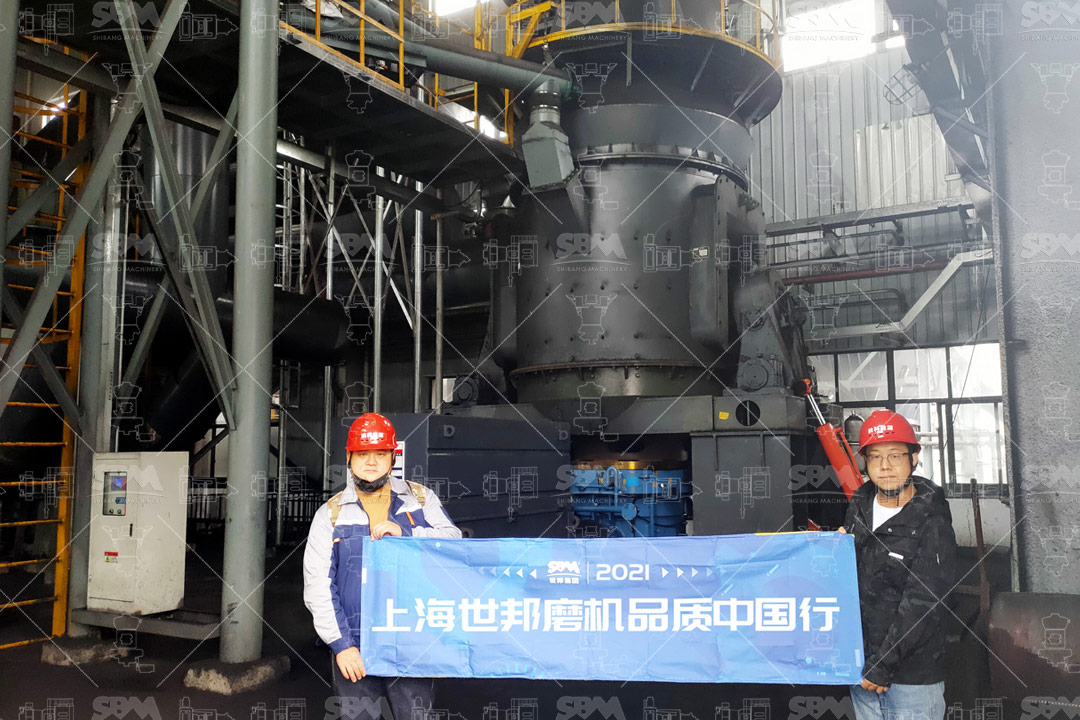
For larger-scale activated carbon processing (up to 400 tph), the LM Vertical Roller Mill offers several structural advantages. A significant design point is the integration of drying, grinding, and powder selection in one unit. Since activated carbon often contains residual moisture (up to 30% in some reactivated forms), the vertical mill's built-in hot air drying capability eliminates the need for separate drying equipment, streamlining the plant layout. The system operates under negative pressure with a fully sealed enclosure, which is crucial for handling fine carbon dust that is both hazardous and valuable.
Unlike horizontal ball mills that rely on impact, the LM mill's grinding principle is shearing and compression on a rotating grinding disc. This mechanism is gentler on the porous structure of activated carbon, preserving its internal surface area. A critical design point is the non-contact operation between the roller and the disc; they are separated by a layer of material. This prevents metal-to-metal contact, thereby minimizing wear and heat generation—both are damaging to activated carbon's quality. The grinding rollers are made from high-quality alloy steel, and their geometry is optimized to spread the material evenly across the disc, enhancing grinding efficiency.
The automatic control system is an advanced feature that allows precise regulation of grinding pressure and disc speed. For activated carbon, where over-grinding can produce excessive fines (< 10 µm) that are difficult to handle downstream, the ability to adjust parameters in real time is indispensable. The mill can be switched between remote and local control, and its PLC-based system integrates with upstream feeding and downstream classification equipment to maintain a stable product quality.
Key Design Point 3: Ultra-Fine Classification in SCM and LUM Ultrafine Mills
When activated carbon needs to be ground to ultra-fine sizes (D97 ≤ 5 µm), which are essential for applications like medical-grade adsorbents or catalyst carriers, the SCM Ultrafine Mill and LUM Ultrafine Vertical Mill are the primary choices. The core design point here is the efficient vertical turbine powder classifier. Unlike traditional centrifugal classifiers that allow coarse particles to spill over, the vertical turbine design uses a multi-rotor system (in LUM series) that ensures sharp particle size cut-offs. Frequency conversion control enables operators to adjust the rotor speed continuously, which translates into precise fineness tuning—an essential requirement for activated carbon grades that must meet strict specification on mean particle size and maximum particle tail.
Another notable design feature in the SCM series is the heavy rotor and special material construction for the grinding ring and roller. These components are subjected to high stresses while grinding silica-ash-laden activated carbon, and their extended durability translates directly to lower replacement costs. The grinding chamber is free of bearing screws that can loosen under vibration; after dynamic balancing, the mill operates stably and quietly, which is beneficial for plant operators working in close proximity to the equipment.
The energy efficiency of ultrafine grinding is a major concern because producing sub-10 micron particles is energy-intensive. The SCM mill uses a layered grinding principle rather than random impacts, which reduces specific energy consumption by up to 30% compared to traditional jet milling, while still achieving double the throughput. For activated carbon producers, this translates into lower power costs per ton of finished powder, enhancing overall profitability without compromising quality.
Key Design Point 4: Environmental Protection and Dust Containment
Activated carbon grinding generates ultra-light dust that can easily escape equipment seals if not designed properly. Both the MTW and LM mills emphasize high environmental protection standards through their structural integrity. The grinding systems operate under negative pressure, meaning that internal air pressure is slightly lower than atmospheric. This prevents dust from leaking out through any possible gaps. The double powder collection method—using both a cyclone and a pulse bag filter—ensures that the outlet air is cleaner than national standards (typically below 30 mg/Nm³).
Noise reduction is another design aspect that is often overlooked but crucial for operator comfort. The optimized sound insulation room around the mill body and the use of mufflers on dust collectors effectively contain the operational noise to below 85 dB(A). For an activated carbon grinding plant located near residential areas or inside industrial parks with strict environmental protocols, these features enable smooth permitting and community relations.
Key Design Point 5: Compact Layout and Investment Cost Reduction
One of the most practical design points for any grinding process is the footprint and layout efficiency. The LM vertical roller mill integrates multiple pieces of equipment (bucket elevator, classifier, bag filter) into a single unit, reducing the floor space to approximately 50% of a ball milling system. This compactness not only saves civil construction costs but also simplifies maintenance access, because all components are arranged on a single floor level. The units can also be installed outdoors with minimal protective housing, which is a cost-effective option for plants in temperate climates.
For projects that require incremental capacity additions, the modular design of SBM's grinding equipment allows for flexible expansion. The ability to install multiple smaller units in series or parallel, depending on feed stock variability, offers operators the freedom to adjust production rates without significant capital investment changes.
Conclusion
In summary, the key design points of activated carbon grinding process revolve around four pillars: wear resistance, energy efficiency, precise particle classification, and environmental compliance. SBM's range of grinding mills—MTW for medium fineness, LM for large capacity with drying needs, SCM for ultra-fine, and LUM for high-throughput ultra-fine—provides a tailored solution for every activated carbon specification. By selecting equipment with these design features, powder processing plants can ensure consistent product quality, reduced operational costs, and adherence to global environmental standards. As activated carbon demand grows in emerging applications such as supercapacitors and gas storage, robust grinding process design becomes more critical than ever.
Frequently Asked Questions
1. How do I prevent activated carbon pores from being crushed during grinding?
Use a mill that employs shear and compression forces rather than high-impact techniques, such as a vertical roller mill or trapezium mill. Additionally, avoid over-grinding by setting the classifier to the strictest cut point and monitoring the product's BET surface area during trial runs. Adjust the grinding pressure to the lowest effective setting to minimize compression stress on the particles, preserving their adsorption capacity.
2. Why does my activated carbon powder have a wide particle size distribution?
This issue often stems from inefficient classification. Your current mill may lack a dynamic classifier or operate with a low rotor speed. Consider upgrading to a mill with an automatic feedback system, like the LUM or SCM series, which allows real-time adjustment of the classifier speed to achieve a sharp cutoff and eliminates coarse particle spillover. Also, check the feed rate to ensure it is not overloaded, as that could bypass the grinding zone.
3. What is the best way to handle abrasive wear on grinding parts when processing activated carbon?
Choose equipment with hard-faced or specially hardened roller and ring materials, as seen in the SCM series. Use mills with a combined-type shovel blade where only the tip is replaced, which reduces downtime. Additionally, implement a preventive maintenance schedule to inspect and build-up high-wear zones, such as the air duct guard plates. For extremely abrasive feeds, consider adding a pre-crusher to reduce the top feed size to less than 10 mm.
4. I'm worried about dust explosion risks during activated carbon grinding. What design features mitigate this?
Ensure the grinding system is fully sealed and operates under negative pressure to prevent dust leakage. Install explosion venting panels on the mill and baghouse, and use inert gas (ignoring ignition source) if your process is inherently dangerous. The SBM mills come with a double powder collecting system including pulse dust collectors that prevents dust build-up. Also, incorporate magnetic separators and metal detectors upstream to prevent sparks from metal fragments entering the mill.
5. Can I use one grinding machine for both coarse (100 mesh) and ultrafine (1500 mesh) activated carbon products?
While it is possible, you would need separate machines for optimal efficiency. Coarse grinding (below 200 mesh) is best handled by MTW or LM mills, which have high throughput and can be controlled with simple classifiers. Ultrafine grinding (above 800 mesh) requires a high-speed classifier and different grinding mechanics, as found in SCM or LUM units. Attempting to switch between very different fineness targets on one machine will result in prolonged changeover times, inconsistent particle statistics, and suboptimal production rates.


