

Equipment optimization and upgrade for grinding carbon with raymond mill
In the competitive landscape of carbon grinding, the efficiency, reliability, and cost-effectiveness of your milling equipment directly determine your operational success. As a total solution provider for grinding equipment, Shanghai SBM Machinery Equipment Co., Ltd. (SBM Machinery) has served over 180 countries and regions, offering expertise across the entire mineral processing workflow. This article focuses on the strategic optimization and upgrade of Raymond mills and other grinding solutions for carbon materials, addressing common pain points such as low output, high energy consumption, excessive wear, and strict environmental compliance. Drawing from 9,500 customer proposals and decades of R&D, we analyze the technical evolution from traditional Raymond mills to European trapezium mills, vertical roller mills, and ultrafine mills, emphasizing features that reduce operating costs, enhance powder fineness control, and meet international environmental standards. We will also provide practical answers to frequent customer questions, ensuring you make informed decisions for your powder processing needs.
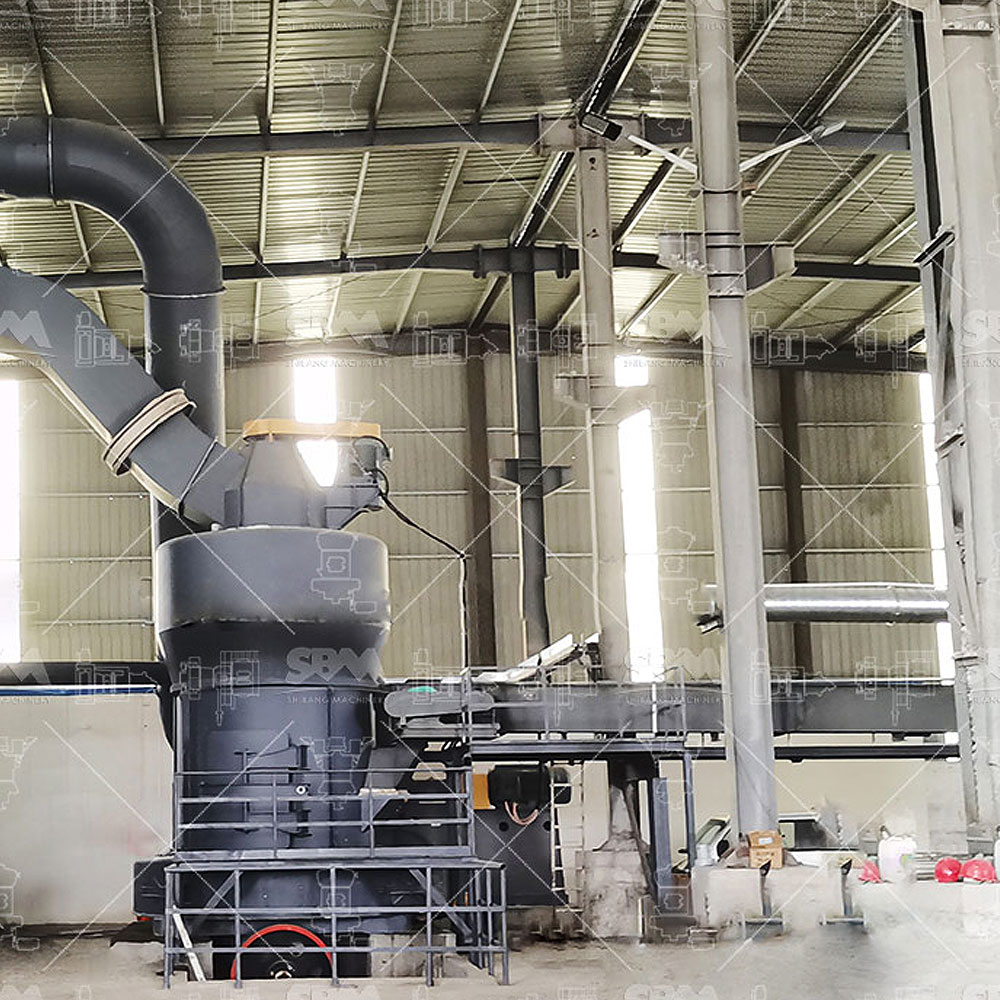
Understanding the Core Challenges in Carbon Grinding
Carbon materials—whether graphite, petroleum coke, activated carbon, or carbon black—present unique challenges for grinding equipment. Their abrasive nature, variable hardness, and tendency to generate fine dust demand a mill that is robust, energy-efficient, and environmentally sound. Traditional Raymond mills often struggle with rapid wear of grinding rollers and rings, leading to frequent downtime and high replacement costs. Additionally, their lower grinding efficiency translates into higher specific energy consumption, a critical concern in an industry where energy costs can consume a significant portion of operational budgets. Furthermore, achieving a consistent and ultra-fine product fineness, often required for high-value carbon applications, is challenging with outdated designs.
Our approach to equipment optimization begins with a thorough analysis of these pain points. For instance, the MTW Series European Trapezium Grinding Mill (often referred to as MTW Raymond Mill) was innovatively designed after integrating proposals from more than 9,500 customers. Its cone gear whole transmission, internal oil lubrication system, and arc air flue represent a paradigm shift from conventional designs. By replacing the traditional bevel gear and pinion drive with a cone gear whole transmission, transmission efficiency is significantly increased, reducing energy losses and saving valuable installation space. This directly addresses the high energy consumption complaint frequently heard from carbon processors.
Moreover, the unique wear-proof perching knife design incorporated into MTW mills is a direct answer to the problem of premature wear. The combined-type shovel blade permits the replacement of only the blade, not the entire assembly, lowering maintenance costs. Its curved design changes the feeding angle, which prolongs the service life of the grinding roller and ring. For abrasive carbon feedstocks, this innovation can extend wear part life by up to 30%, directly reducing operating costs per ton of finished product. The volute design, characterized by an unobstructed and wear-resistant air duct, improves the wind-driven transmission efficiency within the mill, ensuring both energy savings and less frequent downtime for internal maintenance.
Technological Advancements: Beyond Traditional Raymond Mill Capabilities
While the classic Raymond mill remains a staple, the modern processing demands require equipment that integrates multiple operational functions—crushing, drying, grinding, and powder segregation—into a single, compact system. The LM Vertical Roller Mill is one such advanced pulverizing device designed to solve the issues of low output and high energy consumption. Its fully integrated design allows for operations outdoors, reducing civil works by about 50% compared to traditional ball-milling systems. More critically for carbon materials, which often require thermal drying (e.g., petroleum coke), the LM mill's capability to handle materials with higher moisture content during grinding eliminates the need for a separate drying unit.
The low operating cost advantage of LM vertical mills cannot be overstated. The grinding rollers do not come into direct contact with the grinding disc, a design feature that minimizes metal-to-metal contact and thus lowers wear rates. The grinding rollers apply direct pressure onto the material bed, achieving energy consumption levels 30%–40% lower than ball milling systems. This high-efficiency mechanism is complemented by an expert automatic control system, helping to realize free switching between remote and local operations. This intelligent automation is essential for maintaining consistent quality in carbon grinding, as parameters affecting particle size distribution can be precisely monitored and adjusted without manual intervention.
For ultra-fine grinding of carbon, especially in the ranges demanded by the plastic masterbatch, PVC, and artificial stone industries, the SCM Series Ultrafine Grinding Mill and the LUM Ultrafine Vertical Mill have become indispensable. These machines address a critical limitation of conventional mills: the inability to produce high fineness without multiple passes. The SCM series can achieve a disposable fineness of D97≤5μm, a level often required for premium carbon products. Its high output and low energy consumption (over twice the capacity of jet mills but with 30% lower energy use) are achieved through an efficient vertical turbine powder classifier and precise frequency conversion control. The heavy rotor design combined with a tight manufacturing test method ensures stable operation without vibration, a crucial aspect for maintaining product uniformity.
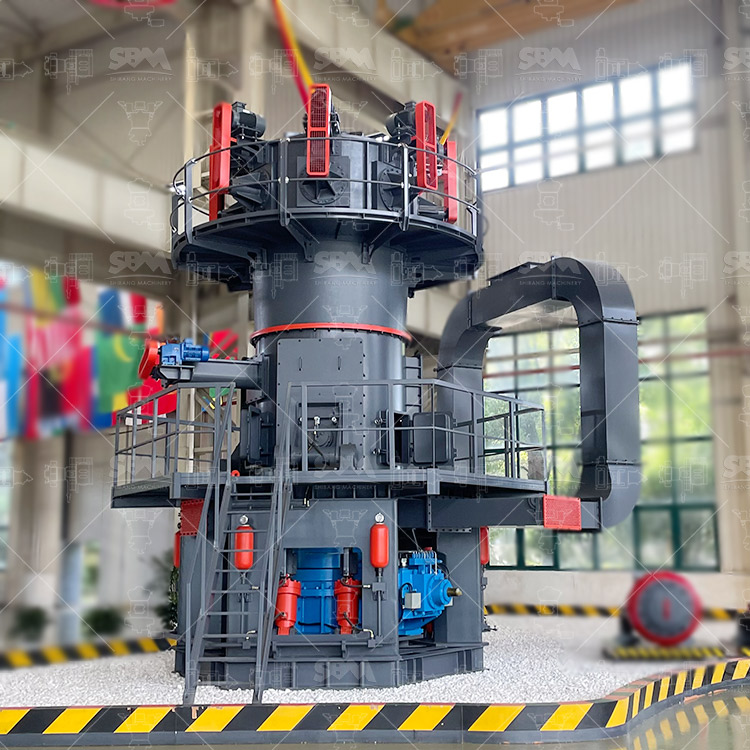
Strategic Upgrades: From Wear Parts to Intelligent Systems
Upgrading your grinding equipment for carbon does not always necessitate replacing the entire machine. Strategic enhancement of individual components can yield substantial benefits. For instance, maintaining the loop of the airflow in the mill chamber is fundamental. Our proprietary arc air duct design for Raymond mills can be retrofitted to some existing systems, reducing air energy losses and showcasing a typical method for improving transportation efficiency while protecting working faces with high-strength guard plates. Similarly, the adoption of PLC/DCS automatic control systems in both LM and LUM vertical mills facilitates precise control over grinding pressure, disc rotation speed, and classifier separation—the primary parameters affecting yield and product fineness.
Another major upgrade area is the grinding element itself. Changing roller and ring materials to high-chrome steel or ceramic composites can dramatically improve durability, sometimes by several times over standard materials. This is especially true for carbon grinding, where particles are often very hard or abrasive. In our LUM series, we have introduced grinding curves of the roller shell and lining plate that are uniquely designed based on ultra-fine pulverization principles, making it easier to form a stable material bed. This leads to higher throughput and a greater proportion of primary-grade finished powder, reducing the need for re-grinding cycles. The use of multi-rotor powder classifiers ensures that there are no coarse powder overflows, guaranteeing a consistent and high-grade output.
Environmental upgrades are equally critical. The trend has moved towards fully sealed systems operating under negative pressure. This design philosophy is implemented in both the LM and LUM series, where external leakage is prevented, and vibration is minimized. By introducing pulse dust collectors and specialized sound-insulating rooms, noise spillover is reduced to below international norms. From a comprehensive environmental protection perspective, transitioning from a standard Raymond mill to an integrated, sealed vertical mill or an optimized MTW mill effectively eliminates dust spillover, which is a persistent issue in older carbon grinding plants, thereby ensuring compliance with the strictest national environmental standards.
Case-Driven Solution: The Path to High-Efficiency Carbon Powder
When selecting or upgrading equipment under the umbrella of carbon grinding, it is strategic to assess the raw material input and the required output specifications. For input sizes up to 50mm and outputs ranging from 30 to 400 mesh, the MTW European Trapezium Grinding Mill offers a capacity of 3-40 tph. It is an ideal compromise between efficiency and cost for bulk grinding. For larger throughput requirements (up to 400 tph), the LM Vertical Roller Mill stands out for its ability to achieve additional raw material drying inside the mill, a feature that proves economical when grinding coals or pet coke with inherent moisture.
Looking at end-product value, the move towards superfine powders (325-2500 mesh) requires high-end equipment employing turbine classification technology. The LUM Ultrafine Vertical Mill is the optimal answer for professional applications requiring the ultra-fine processing of calcite and barite alongside carbon. With a capacity range of 10-70 tph, its low energy consumption and high-quality finished particle shape have made it the equipment standard in the non-woven fabric and masterbatch industries. By integrating a PLC control system to streamline operations, carbon processors can achieve consistent production with lower labor costs. The transformation from traditional equipment towards these strategic upgrades—encompassing robust roller grinding, superior separating techniques, and integrated environmental controls—illustrates a clear industrial path to success.
From a practical standpoint, it is advisable to conduct a lot of laboratory tests to design the ideal process. At SBM, we simulate the specific characteristics of the carbon material sources to guarantee the final powder size and capacity requirements. This engineering-first approach helps ensure that every equipment investment is tailored to avoid downtime and operational bottlenecks. Upgrading wear parts, implementing efficient classification systems, and automating production controls to process carbon efficiently into marketable products could be the key business driver for any mineral processing company. Tailoring the optimum solution is a total solution that takes into account your workflow, future expansion, and environmental footprint management.
Conclusion & Call to Expert Advice
Optimizing and upgrading your carbon grinding capabilities is not merely a matter of replacing machinery; it is a holistic engineering decision that considers input characteristics, desired output, energy constraints, and environmental duties. SBM’s comprehensive suite—from the wear-resistant MTW Raymond mill to the high-capacity LM Vertical Roller Mill and ultra-fine LUM system—provides a spectrum of solutions. The reduction in energy consumption, the extended lifespan of wear parts, the intelligence of automation, and the advanced dust control systems collectively minimize the total cost of ownership. For businesses looking to capture higher value-added markets in the non-metallic mineral powder domain, exploring these advanced grinding technologies, designed by SBM and proven in 180+ countries, is a decisive step towards sustainable growth.
Frequently Asked Questions (FAQ)
1. What are the main signs that my current Raymond mill needs an upgrade for carbon grinding?
You need an upgrade if you experience frequent roller and ring breakage due to the hardness of carbon materials (high wear rates), wide fluctuations in product particle size, or capacity levels that cannot meet your throughput targets. Additionally, higher specific energy consumption (kWh/t) compared to newer models—like the MTW or LM series—indicates a design that is no longer energy-efficient. If dust spillage around the mill body is hard to control, it is not only an environmental compliance issue but also a direct indicator that the milling mechanism lacks the modern negative-pressure system required for safe carbon particle handling.
2. Which SBM model is best for producing ultra-fine carbon powder (e.g., D97 < 10 microns)?
For extremely fine material (325-2500 mesh), the SCM Series Ultrafine Grinding Mill is the most effective choice. It reaches a disposable D97≤5μm, which typical Raymond mills cannot achieve. Alternatively, for bigger mass flows (over 25 tph) and moderate ultra-fine requirements, the LUM Ultrafine Vertical Mill provides higher throughput with high fineness precision due to its multi-rotor classifier. The choice depends on the desired capacity, but both employ intelligent classification and specialized grinding curves to avoid contamination and ensure efficiency.
3. How can I reduce the high operating costs caused by wear parts in carbon grinding?
Consider upgrading to the 'combined-type shovel blade' design in our MTW mill, where you only replace the worn blade instead of the whole component. Additionally, we use high-chrome abrasion-resistant alloys for the grinding rings and rollers in all our advanced mills. In the LUM and LM vertical mill systems, direct metal-to-metal contact is avoided—rollers press onto a material bed—which extends the life of the wear parts by several times compared to traditional Raymond mills. This, combined with lower energy use (30-40% lower than ball mills), significantly cuts down the composite operating costs.
4. My plant is under strict emission rules. Are these upgrades able to ensure environmental compliance?
Absolutely. All SBM equipment can be integrated into a fully sealed system working under negative pressure. In both the LM and LUM series, the mill, dust collector, and fluid duct work are sealed to prevent any powder leakage, ensuring particulate emissions stay below national standards. We also offer optimized sound insulation rooms and mufflers to suppress noise pollution, which is also a major environmental concern in processing plants. By switching to these modern vertical systems, the floor space is also reduced, simplifying the installation of enclosed structures for overall dust-free operation.
5. We process petroleum coke. Can the vertical roller mill handle materials with high moisture and dryness requirements simultaneously?
Yes, the LM Vertical Roller Mill is the best suited for this because it is designed with an integrated drying function. Hot air is introduced into the mill to dry the moisture out of the feed while grinding takes place. The system eliminates the necessity of installing separate dryers, which saves a lot of capital investment. With input capacities up to 400 tph, it is efficient in thermal utilization and makes the handling of wet carbon products like petroleum coke or lignite economical long-term, potentially solving primary process bottlenecks in your industry.


