

Basic application of raymond mill in non-metallic mineral grinding
Published: November 15, 2024
Raymond mill technology has evolved significantly over the past decades, transforming from a simple pendulum-type grinding machine into sophisticated processing systems capable of handling diverse non-metallic minerals with remarkable efficiency. As global demand for fine powders continues to rise across industries ranging from construction materials to advanced ceramics, understanding the fundamental applications and technological capabilities of modern Raymond mills becomes essential for operations managers, process engineers, and investors. The basic application of Raymond mill in non-metallic mineral grinding encompasses the processing of materials such as limestone, calcite, marble, barite, kaolin, gypsum, and numerous other industrial minerals that require precise particle size reduction. Modern Raymond mill configurations, including European trapezium mill designs and integrated vertical roller mill systems, have addressed traditional limitations regarding capacity, energy consumption, and product fineness, enabling processors to achieve outputs ranging from 30 to 400 mesh with capacities spanning 3 to 40 tons per hour for standard configurations. These systems now incorporate advanced features such as cone gear whole transmission, inner oil absorption lubrication, and optimized air duct designs that collectively reduce operating costs while maintaining consistent product quality. The evolution continues toward ultrafine processing capabilities, where specialized mill designs can achieve particle sizes down to 325-4000 mesh, meeting the stringent requirements of high-value applications in plastics, coatings, and specialty chemicals.
Understanding the Core Technology Behind Modern Raymond Mills
The fundamental principle underlying Raymond mill operation involves the interaction between grinding rollers and a rotating ring, where material is fed between these components and reduced through compression and attrition forces. Traditional Raymond mill designs, while effective for many applications, presented inherent limitations in terms of throughput capacity, wear part longevity, and energy efficiency. These challenges prompted extensive research and development efforts to create next-generation grinding solutions that address the evolving needs of non-metallic mineral processors worldwide.
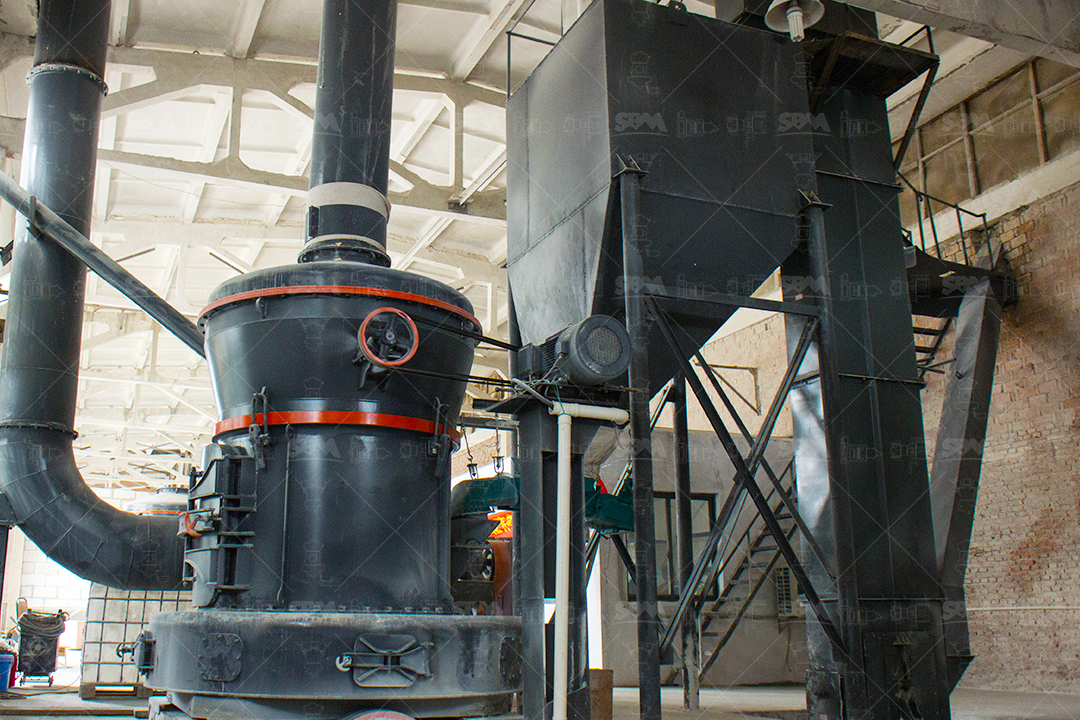
The European Trapezium Mill represents a significant advancement in Raymond mill technology, developed through comprehensive analysis of traditional mill structures and performance characteristics combined with feedback from thousands of global customers. This design incorporates several innovative features that distinguish it from conventional grinding equipment. The cone gear whole transmission system achieves higher transmission efficiency while simultaneously reducing space requirements and lowering investment costs compared to traditional drive arrangements. The inner oil absorption lubrication system ensures consistent lubrication of critical components, extending service life and reducing maintenance intervals that typically plague older mill designs.
The arc air duct design represents another crucial innovation in modern Raymond mill construction. By utilizing a circular duct configuration, air energy loss is minimized while transportation efficiency is maximized. The high-strength guard plates protecting the air duct working surface further contribute to extended equipment lifespan. These design improvements collectively address one of the primary pain points expressed by operators of traditional grinding equipment: the constant battle against premature wear and associated maintenance costs.
The volute design incorporated into contemporary Raymond mills effectively improves wind-driven transmission efficiency within the grinding chamber while reducing material maintenance requirements. This unobstructed, wear-resistant configuration ensures consistent airflow patterns that facilitate proper material transport and classification. The combined-type shovel blade design reduces wearing part costs by allowing blade-only replacement during maintenance, while curved shovel blades optimize feeding angles to prolong roller and ring service life.
Applications Across Non-Metallic Mineral Processing Sectors
Non-metallic mineral grinding encompasses a remarkably diverse range of materials and applications, each presenting unique challenges and requirements. Raymond mill technology has proven adaptable across this spectrum, serving industries including building materials, chemicals, mining, metallurgy, and specialty materials production. The versatility of modern Raymond mill configurations enables processors to select equipment specifically optimized for their particular material characteristics and product specifications.
In the building materials sector, Raymond mills process limestone for environmental desulfurization applications in power generation facilities. The precise control over particle size distribution ensures optimal reactivity in flue gas treatment systems while meeting stringent emission standards. Heavy calcium carbonate (GCC) processing represents another major application, where Raymond mills produce fillers and extenders for paper, plastics, paints, and coatings industries. The ability to achieve consistent fineness levels while maintaining high throughput makes Raymond mills particularly suitable for these demanding applications.
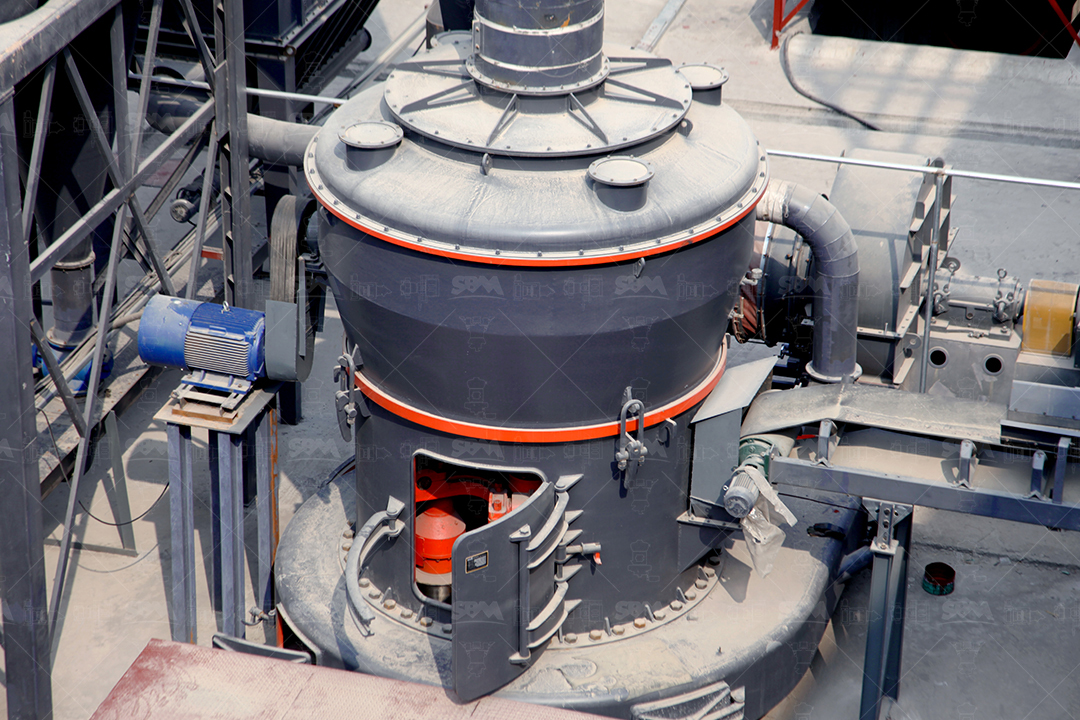
Kaolin processing presents specific challenges related to maintaining brightness and aspect ratio while achieving required particle size reduction. Modern Raymond mill designs address these concerns through gentle grinding action and efficient classification systems that minimize unwanted particle morphology changes. Barite grinding for drilling mud applications requires careful control over particle size distribution to ensure proper weighting characteristics, while gypsum processing for wallboard and cement applications demands high capacity and consistent product quality.
The chemical industry utilizes Raymond mills for processing various mineral fillers and extenders that enhance product performance in plastics, rubber, and specialty coatings. Petroleum coke grinding for fuel applications represents another significant application, where Raymond mill technology provides the necessary particle size reduction while handling the abrasive nature of this material. Slag micro-powder production for cement replacement applications has become increasingly important as industries seek to reduce carbon footprints and utilize industrial byproducts.
Vertical Roller Mill Integration and Advanced Processing Capabilities
While traditional Raymond mill designs continue to serve many applications effectively, the integration of vertical roller mill technology has expanded processing capabilities into new territories. Vertical Roller Mills address technical challenges such as low output and high energy consumption that characterized earlier grinding equipment generations. These systems integrate drying, pulverizing, and powder selection functions into unified equipment, simplifying process flows and reducing equipment footprint requirements.
The comprehensive investment picture for vertical roller mill installations often proves favorable compared to alternative grinding systems. The equipment's ability to integrate crushing, drying, grinding, powder separation, and transportation functions results in simple system configurations and compact layouts requiring approximately half the floor space of equivalent ball-milling systems. Outdoor installation capability further reduces civil construction costs, making vertical roller mills attractive options for greenfield projects and capacity expansion initiatives.
Operating cost advantages accumulate through multiple mechanisms in vertical roller mill designs. Less wear occurs because the roller does not contact the grinding plate directly during operation, and both components are manufactured from high-quality materials selected for extended service life. The grinding rollers directly contact material on the grinding plate, achieving lower energy consumption that typically ranges 30 to 40 percent below ball-milling system requirements for comparable output.
Automatic control systems represent a significant advancement in modern grinding equipment, with expert systems enabling free switching between remote and local control modes. This automation reduces labor requirements while ensuring consistent operating parameters that optimize both product quality and equipment longevity. The control systems monitor and adjust critical parameters including grinding pressure, rotating speed, and classifier speed to maintain optimal processing conditions.
Environmental performance has become increasingly important across all industrial sectors, and modern Raymond mill and vertical roller mill designs address these concerns comprehensively. Equipment operates stably with minimal vibration, resulting in low noise levels that meet workplace standards. Fully sealed systems operating under negative pressure prevent dust spillover, with emission levels meeting or exceeding national environmental protection requirements. Optimized sound insulation and muffler systems further control noise propagation.
Ultrafine Grinding Advances and Specialized Applications
As industries demand increasingly fine powders for high-value applications, ultrafine grinding technology has emerged as a critical capability for non-metallic mineral processors. General Raymond mill designs, while effective for standard fineness requirements, cannot consistently achieve the particle sizes demanded by advanced applications. This gap prompted development of specialized ultrafine grinding mills capable of achieving fineness levels previously attainable only through more expensive and complex processing methods.
Ultrafine grinding mills achieve powder fineness adjustable within ranges from 325 to 2500 mesh, with one-time finished products reaching D97≤5μm in optimized configurations. These capabilities open new markets for non-metallic mineral producers, enabling participation in high-value supply chains for plastics master batch, PVC, artificial stone, electric cable, and non-woven fabric industries. The ultrafine grinding of calcite, marble, limestone, talc, dolomite, barite, kaolin, wollastonite, gypsum, feldspar, and pyrophyllite becomes economically viable with these advanced systems.
High output combined with low energy consumption characterizes modern ultrafine grinding solutions. Capacities exceed jet mill performance by more than twice while energy consumption runs approximately 30 percent lower. Automatic feedback systems ensure fast and stable conversion of finished products, while intelligent control reduces labor costs directly. Frequency-conversion control facilitates convenient adjustment, with efficient vertical turbine powder classifiers achieving accurate cut sizes without coarse powder spillover.
Ultrafine vertical mill designs incorporating Taiwan grinding roller technology and Germany powder separating technology represent the current state-of-the-art for medium and high-end processing applications. The grinding curves of roller shells and lining plates are uniquely designed based on ultrafine pulverization principles, making it easier to form material beds that improve grinding efficiency and increase the proportion of finished products from primary grinding. Multi-rotor powder classifier principles enable flexible finished product fineness customization without low-grade material contamination.
PLC control systems manage major parameters including grinding pressure, grinding disc rotating speed, and classifier speed to ensure accurate control and stable operation. Pressure adjustment of grinding rollers through PLC/DCS automatic control systems guarantees high efficiency and consistent product quality. Frequency-conversion speed regulation enables adaptation to varying material characteristics and product requirements.
Frequently Asked Questions
What particle size ranges can modern Raymond mills achieve for non-metallic mineral processing?
Standard Raymond mill configurations typically achieve output sizes ranging from 30 to 400 mesh, suitable for many construction material, chemical, and industrial mineral applications. For requirements demanding finer products, ultrafine grinding mill designs extend capabilities to 325-4000 mesh with one-time finished products reaching D97≤5μm. The appropriate equipment selection depends on your specific product specifications, material characteristics, and production capacity requirements. Our technical team can evaluate your application and recommend optimal configurations.
How do I address the high wear rates and maintenance costs associated with traditional Raymond mill operations?
Wear-related costs represent a common concern among grinding equipment operators. Modern mill designs address this through several innovations: combined-type shovel blades allowing blade-only replacement during maintenance, curved shovel blade designs that optimize feeding angles to prolong roller and ring life, and advanced materials selection for critical wear components. Additionally, vertical roller mill designs where rollers don't directly contact grinding plates demonstrate significantly reduced wear rates. Proper maintenance scheduling and operating parameter optimization further extend component life.
What capacity can I expect from a Raymond mill installation processing specific non-metallic minerals?
Capacity varies significantly based on material characteristics, product fineness requirements, and specific equipment configuration. Standard Raymond mill capacities range from 3 to 40 tons per hour, while vertical roller mill designs extend to 400 tons per hour for applications permitting coarser products. Ultrafine grinding mills typically achieve 0.5 to 25 tons per hour depending on fineness requirements, while ultrafine vertical mill configurations reach 10 to 70 tons per hour. Material hardness, moisture content, and feed size distribution all influence achievable throughput.
How can I ensure my grinding operation meets environmental regulations regarding dust and noise emissions?
Environmental compliance has become non-negotiable across most jurisdictions. Modern grinding equipment incorporates multiple features addressing these requirements: fully sealed systems operating under negative pressure prevent dust spillover, efficient double powder collecting methods combining powder collectors and pulse dust collectors achieve superior dust collection performance, and optimized sound insulation with muffler systems control noise propagation. Equipment operates stably with minimal vibration, contributing to low noise levels. These design elements ensure emission levels meet or exceed national environmental protection standards.
What automation options are available to reduce labor requirements and improve consistency in grinding operations?
Automation technology has transformed grinding operations, addressing both labor cost concerns and product consistency requirements. Expert automatic control systems enable free switching between remote and local control modes for easy operation. PLC/DCS automatic control systems for grinding roller pressure adjustment ensure accurate parameter control. Automatic feedback systems provide fast and stable conversion of finished products. Frequency-conversion speed regulation enables adaptation to varying materials and requirements. These automation features directly reduce labor costs while improving product quality consistency and equipment utilization rates.


