

Key points of eia report for spodumene grinding project
Published on: March 15, 2025
An Environmental Impact Assessment (EIA) report for a spodumene grinding project serves as a critical regulatory and planning document that evaluates the potential environmental consequences of establishing and operating a lithium ore processing facility. The key points typically covered in such a report include air quality management, particularly dust generation during crushing and grinding operations; noise pollution control from heavy machinery; water usage and wastewater treatment protocols; solid waste management including tailings and residue disposal; energy consumption and carbon footprint considerations; and the overall compliance framework with local and international environmental standards. For project developers and investors in the lithium supply chain, understanding these EIA components is essential not only for obtaining permits but also for designing a sustainable, community-friendly operation that minimizes ecological disruption while maximizing processing efficiency. The choice of grinding equipment directly influences several of these environmental parameters, making the EIA process an integral part of technology selection and project planning.
Understanding the Scope of Spodumene Processing
Spodumene is a pyroxene mineral that represents one of the most important sources of lithium, a critical element in the production of batteries for electric vehicles, grid storage systems, and portable electronics. As global demand for lithium continues to surge, the development of efficient and environmentally responsible spodumene processing facilities has become a priority for mining companies and governments alike. The grinding stage is particularly significant because it determines the particle size distribution of the ore, which in turn affects downstream processes such as flotation, roasting, and acid leaching.
From an environmental perspective, the grinding circuit is a major consumer of energy and a potential source of dust emissions and noise. Therefore, the EIA report must carefully assess how the selected grinding technology will perform against regulatory thresholds and community expectations. This is where the expertise of a total solution provider for grinding equipment becomes invaluable, as the right machinery can dramatically reduce the environmental footprint of the entire project.
Air Quality and Dust Control
One of the most scrutinized sections of any EIA report for a spodumene grinding project is the assessment of air quality impacts. Spodumene ore, when crushed and ground, generates fine particulate matter that can become airborne if not properly contained. The EIA must quantify expected emission rates, identify potential receptors such as nearby communities and ecosystems, and propose mitigation measures.
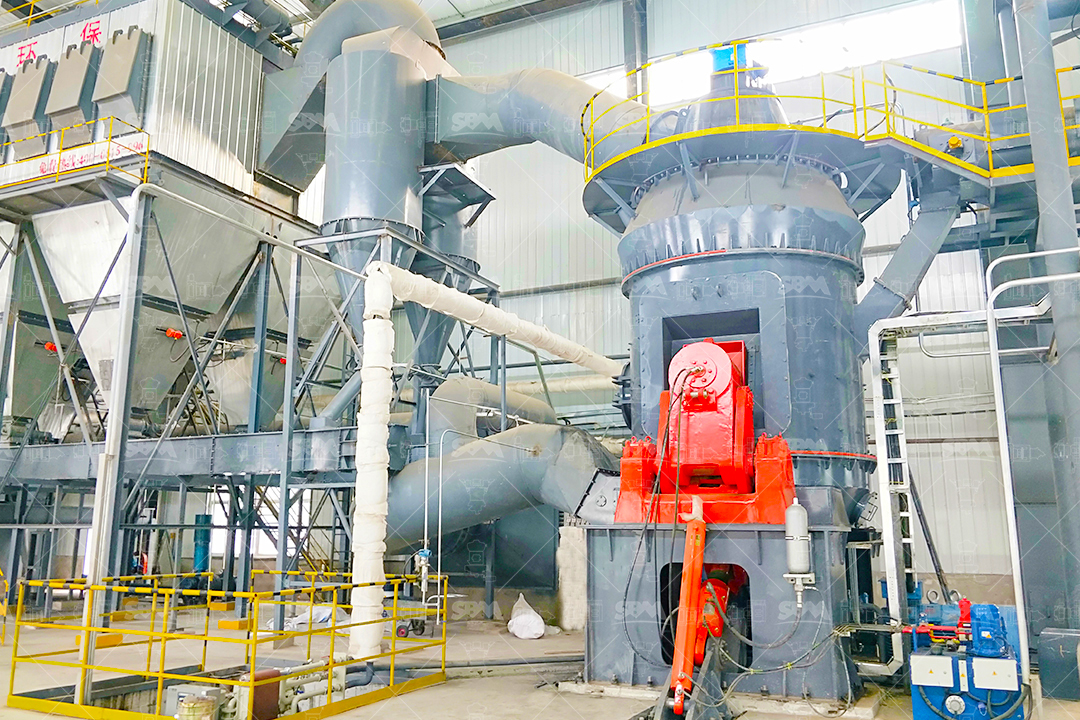
Modern grinding equipment addresses this challenge through fully sealed systems and negative pressure operation. For instance, vertical roller mills and European trapezium mills are designed with integrated powder separation and pulse dust collection mechanisms that prevent dust spillover. In an EIA context, these technical features translate into lower predicted concentrations of particulate matter at the property boundary, which can significantly ease the permitting process. The report should also consider fugitive emissions from material handling points, stockpiles, and transportation routes, recommending measures such as enclosed conveyors, water sprays, and windbreaks.
Noise and Vibration Assessment
Grinding mills, crushers, and associated drive systems generate substantial noise and vibration. The EIA report must include a noise impact assessment that models sound propagation from the facility to sensitive receptors. Baseline noise levels are typically measured before construction, and the report predicts increases during operation and evaluates compliance with local noise regulations.
Equipment selection plays a decisive role here. Advanced mills feature optimized sound insulation and mufflers, and their operating principles result in lower vibration compared to traditional ball mills. For example, vertical roller mills grind material on a bed rather than through impact, which reduces both noise and mechanical wear. The EIA should document these design advantages and propose additional mitigation such as acoustic enclosures, barriers, and restricted operating hours if necessary.
Water Management and Wastewater Treatment
Spodumene grinding may be performed dry or wet, depending on the downstream process and project design. Dry grinding minimizes water consumption but requires effective dust suppression. Wet grinding, often used in mineral dressing, produces slurry that must be dewatered and the resulting water recycled or treated before discharge.
The EIA report must detail water balance, sources of supply, and the quality of any effluent. It should describe the treatment train, which may include settling ponds, thickeners, filtration, and chemical neutralization. Zero liquid discharge (ZLD) systems are increasingly expected for new mining projects, and the EIA should demonstrate how the selected grinding and classification equipment supports water recycling. High-efficiency classifiers and separators can reduce the volume of water needed for particle size control, thereby lowering the hydraulic load on the treatment system.
Solid Waste and Tailings Management
Grinding does not chemically alter the ore, but it produces fine residues that may report to tailings or require separate disposal. The EIA must characterize these solid wastes, estimate quantities, and propose containment strategies. Tailings dams or dry stacking facilities are common solutions, and their design must consider long-term stability, seepage control, and closure plans.
The efficiency of the grinding circuit influences the volume and fineness of tailings. Over-grinding wastes energy and creates more fines that are difficult to manage. Therefore, the EIA should reference the chosen equipment's ability to achieve the target particle size distribution with minimal excess grinding. Ultrafine mills and vertical roller mills with advanced classification systems can produce a narrow size distribution, reducing the production of unwanted fines and improving the overall recovery in downstream beneficiation.
Energy Consumption and Carbon Footprint
Energy use is both an environmental and economic concern. The EIA report typically includes an energy consumption analysis and may quantify greenhouse gas emissions associated with electricity and fuel use. Grinding is often the most energy-intensive stage in mineral processing, so improvements in mill efficiency directly reduce the project's carbon footprint.
Compared to traditional ball mills, modern grinding technologies can lower energy consumption by 30% to 40%. Vertical roller mills, for instance, grind material directly on the grinding plate with rollers, avoiding the cascading and impacting motion of balls. This efficiency gain is not only a cost-saving measure but also a significant environmental benefit that should be highlighted in the EIA. The report may also assess opportunities for renewable energy procurement or waste heat recovery to further reduce emissions.
Regulatory Compliance and Community Engagement
Every EIA must demonstrate compliance with applicable laws, regulations, and standards. These may include national ambient air quality standards, noise limits, water quality criteria, and waste management regulations. The report should also reference international guidelines such as those from the International Finance Corporation (IFC) if the project seeks international financing.
Community engagement is another essential element. The EIA process usually requires public consultation, disclosure of findings, and a mechanism for addressing grievances. For a spodumene grinding project, nearby residents may have concerns about dust, noise, traffic, and water use. Transparent communication and robust mitigation commitments can build trust and facilitate smoother project approval.
Selecting Equipment with Environmental Benefits
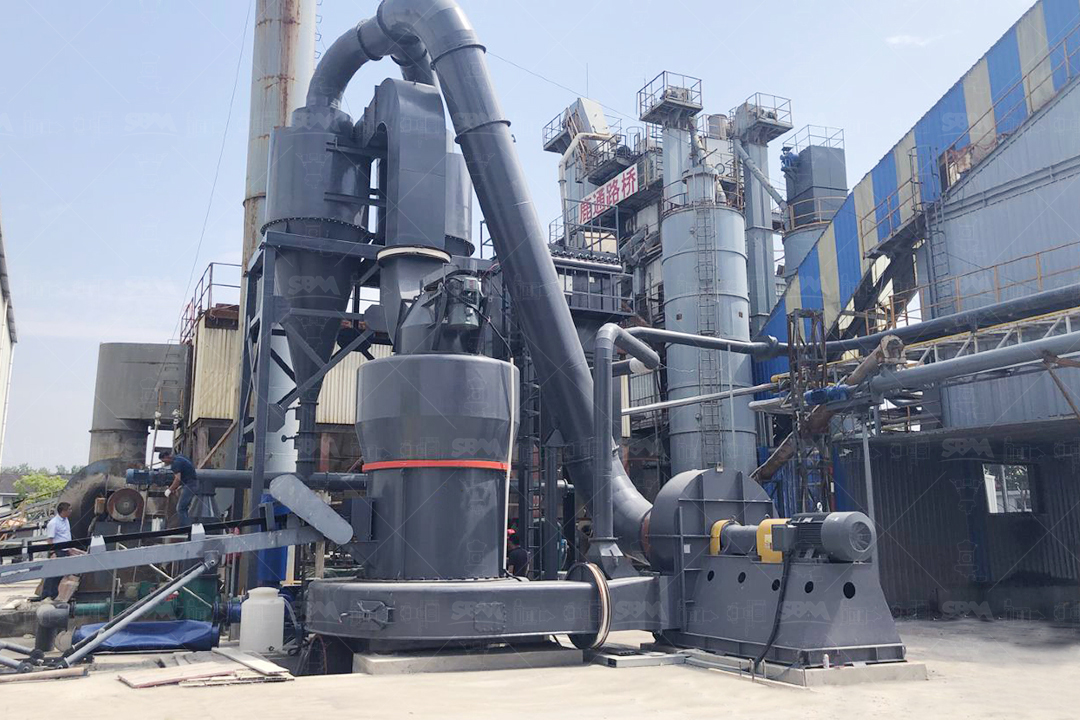
As a total solution provider for grinding equipment, SBM Machinery offers a range of mills that can help project developers meet stringent EIA requirements. The MTW Series European Trapezium Grinding Mill, for example, features a cone gear whole transmission, inner oil absorption lubrication system, and arc air flue that together improve efficiency and reduce energy losses. Its unique wear-proof perching knife design extends the service life of rollers and rings, lowering maintenance frequency and the associated environmental impact of spare part production and disposal.
The LM Vertical Roller Mill integrates crushing, drying, grinding, powder separation, and transportation, resulting in a compact layout that occupies about 50% of the floor space of a ball-milling system. It can be arranged outdoors, reducing construction materials and land disturbance. Its automatic control system enables remote operation and saves labor costs, while the fully sealed negative pressure operation prevents dust spillover and meets national environmental standards.
For projects requiring ultrafine grinding, the SCM Series Ultrafine Mill achieves fineness up to 2500 mesh with high output and low energy consumption. Its efficient double powder collecting method, combining powder collectors and pulse dust collectors, achieves dust collection far above international standards. The optimized sound insulation room and muffler effectively prevent noise propagation, addressing two key EIA concerns simultaneously.
The LUM Ultrafine Vertical Mill incorporates Taiwan grinding roller technology and Germany powder separating technology, making it suitable for medium and high-end processing. Its PLC/DCS automatic control system ensures precise grinding pressure and stable operation, while the multi-rotor powder classifier allows customized fineness with no low-grade material. The environmentally friendly design ensures small vibration, low noise, and a well-sealed system operating under negative pressure.
Even conventional ball mills have been optimized to reduce spare part costs and energy consumption. Dry ball mills produce common powder, while wet ball mills are widely used in mineral dressing. By selecting the appropriate mill technology based on ore characteristics, target product size, and site conditions, project developers can achieve a balance between productivity and environmental performance that satisfies EIA requirements.
Conclusion
An EIA report for a spodumene grinding project is a comprehensive document that addresses air quality, noise, water, waste, energy, and community concerns. The choice of grinding equipment has a direct impact on many of these parameters, and modern, efficient mills can significantly reduce the environmental footprint of a project. By working with an experienced grinding equipment provider and integrating environmental considerations into the earliest stages of project design, developers can streamline the EIA process, reduce permitting risks, and build a facility that operates responsibly over its entire life cycle. As the global transition to clean energy accelerates, the demand for lithium will continue to grow, and environmentally sound spodumene processing will be essential to meeting that demand without compromising ecological integrity or community well-being.
Frequently Asked Questions
1. What is the biggest environmental concern for a spodumene grinding project?
Dust emissions are often the primary concern because fine spodumene particles can become airborne and affect air quality. However, modern grinding equipment with sealed systems, negative pressure operation, and pulse dust collectors can control emissions effectively. Noise and water use are also important, but with proper mitigation, these impacts can be minimized. The EIA process is designed to identify all potential impacts and ensure they are managed.
2. How does the choice of grinding mill affect the EIA outcome?
The mill type influences energy consumption, dust generation, noise levels, water requirements, and waste characteristics. Efficient mills such as vertical roller mills and ultrafine mills consume less energy per ton of product, produce less dust due to sealed designs, and generate lower noise and vibration. Selecting the right mill can make it easier to demonstrate compliance with environmental standards and reduce the need for costly additional mitigation measures.
3. Can a spodumene grinding project achieve zero liquid discharge?
Yes, with proper design. Dry grinding eliminates process water entirely, while wet grinding can incorporate closed-loop water recycling, thickeners, filtration, and evaporation. The feasibility of zero liquid discharge depends on the ore characteristics, water availability, and climate. The EIA report should evaluate water management options and propose a strategy that minimizes freshwater withdrawal and prevents contaminated discharge.
4. What are the key regulatory approvals needed before construction?
Typically, a spodumene grinding project requires environmental permits, land use approvals, water use licenses, air emission permits, and waste management permits. The exact requirements vary by jurisdiction. The EIA report is a foundational document that supports many of these applications. It is advisable to engage with regulators early and to prepare a thorough, scientifically sound assessment to avoid delays.
5. How can community opposition be addressed during the EIA process?
Community engagement should begin early and continue throughout the project life cycle. Transparent disclosure of project details, including potential impacts and proposed mitigation, helps build trust. Listening to concerns and incorporating feedback into project design demonstrates good faith. Providing local benefits such as employment, training, and infrastructure can also foster positive relationships. A well-conducted EIA that includes public consultation is more likely to gain social acceptance and regulatory approval.


