

Process flow of vertical mill for desulfurization limestone processing
Published on: October 26, 2023
In the power generation and metallurgy industries, desulfurization is a critical step to reduce sulfur dioxide emissions and meet environmental regulations. Limestone powder preparation is the cornerstone of wet flue gas desulfurization (WFGD) systems, where the particle size, reactivity, and moisture content of the limestone directly impact absorption efficiency. Vertical roller mills have emerged as the preferred technology for this application due to their high grinding efficiency, integrated drying and classification, and compact footprint. This article outlines the typical process flow of a vertical mill system for desulfurization limestone processing, from raw material feeding to finished powder collection, highlighting the technical advantages that make vertical mills the mainstream choice. Drawing on SBM Machinery’s extensive experience as a total solution provider for grinding equipment, we examine key equipment features, operational considerations, and common customer pain points.
Why Vertical Mills Dominate Desulfurization Limestone Processing
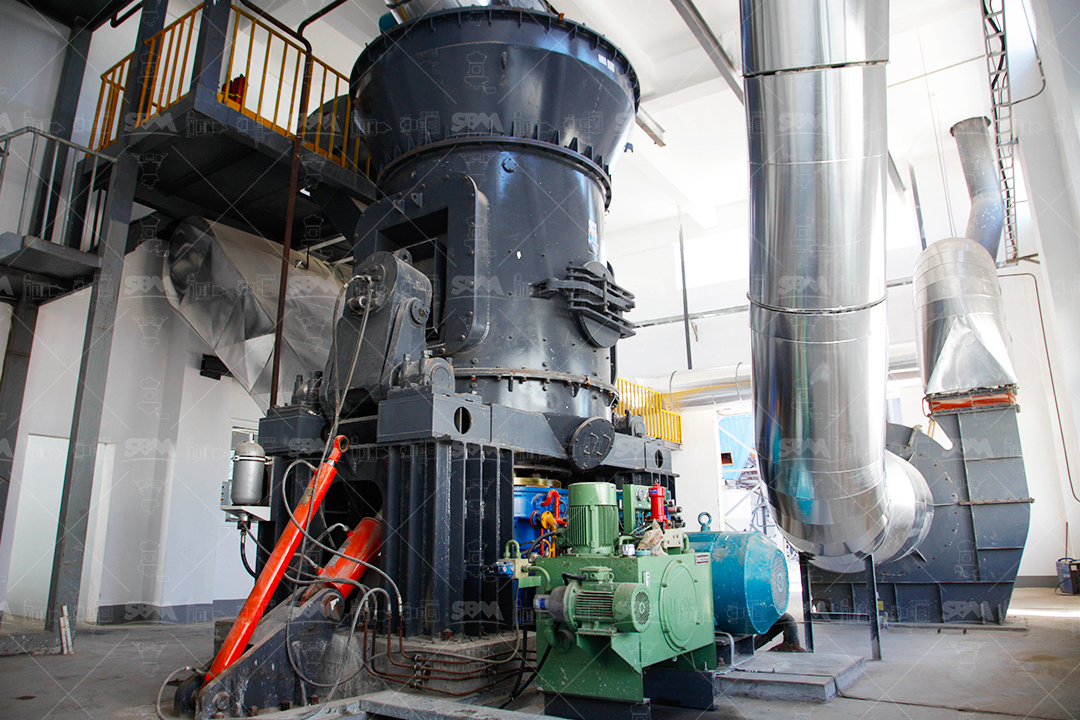
Desulfurization limestone processing requires a fine, consistent product, typically in the range of 200 to 325 mesh (or finer depending on the specific WFGD technology). The vertical roller mill, such as SBM’s LM series, integrates crushing, drying, grinding, powder separation, and transportation into a single system. This integration simplifies the flowsheet, reduces auxiliary equipment, and lowers overall investment. Compared to traditional ball mills, vertical mills consume 30–40% less energy per ton of powder, a significant operational cost saving for high-volume desulfurization plants.
Moreover, the vertical mill’s ability to handle high-moisture limestone (up to 15% moisture) without pre-drying is a major advantage. The hot gas entering the mill dries the material as it is ground, eliminating the need for a separate dryer. This is particularly beneficial in regions with rainy climates or when using wet-quarried limestone.
Step-by-Step Process Flow
1. Raw Material Storage and Feeding
Limestone is typically delivered by truck or conveyor to a covered stockpile. A front-end loader or apron feeder transfers the material to a hopper. The feed size can range from 0 to 50 mm, depending on the mine’s blasting and crushing practices. A belt feeder or vibratory feeder controls the feed rate to the mill, ensuring a stable and consistent supply. Metal detectors and magnetic separators are often installed to remove tramp iron and protect the grinding elements.
2. Grinding and Drying in the Vertical Mill
The heart of the process is the vertical roller mill. Raw limestone enters the center of the grinding table through an air lock. Centrifugal force causes the material to move outward under the grinding rollers. Hot gas (from a hot air generator or kiln waste heat) enters the mill through the air inlet ring, sweeping the ground particles upward. The grinding rollers, hydraulically pressurized, crush and grind the material against the table. The combination of compression and shear forces produces fine powder. Simultaneously, the hot gas evaporates moisture, reducing the product moisture to less than 1%.
SBM’s LM vertical roller mill features a unique wear-proof perching knife design and arc air duct, which reduce wear and energy loss. The cone gear whole transmission ensures high efficiency and low maintenance. The mill’s automatic control system allows remote and local operation, optimizing grinding pressure and airflow for stable product quality.
3. Powder Classification
After grinding, the air-powder mixture rises to the classifier at the top of the mill. The classifier is a high-efficiency dynamic separator with adjustable rotating speed. Coarse particles are rejected and fall back onto the grinding table for further grinding, while fine particles pass through the classifier. The product fineness can be adjusted within a range of 30–400 mesh, with typical desulfurization limestone ground to 200–325 mesh (D90). The classifier’s precise cut ensures a narrow particle size distribution, which improves limestone reactivity in the desulfurization process.
4. Powder Collection and Transportation
The fine powder entrained in the gas stream exits the mill and enters a bag filter or electrostatic precipitator. The filter separates the powder from the gas, and the clean gas is discharged by an induced draft fan. The collected limestone powder is transported by air slides or screw conveyors to a storage silo. From there, it is fed into the WFGD absorber slurry preparation system. The entire system operates under negative pressure, preventing dust leakage and ensuring a clean working environment.
Key Equipment Features for Desulfurization Limestone
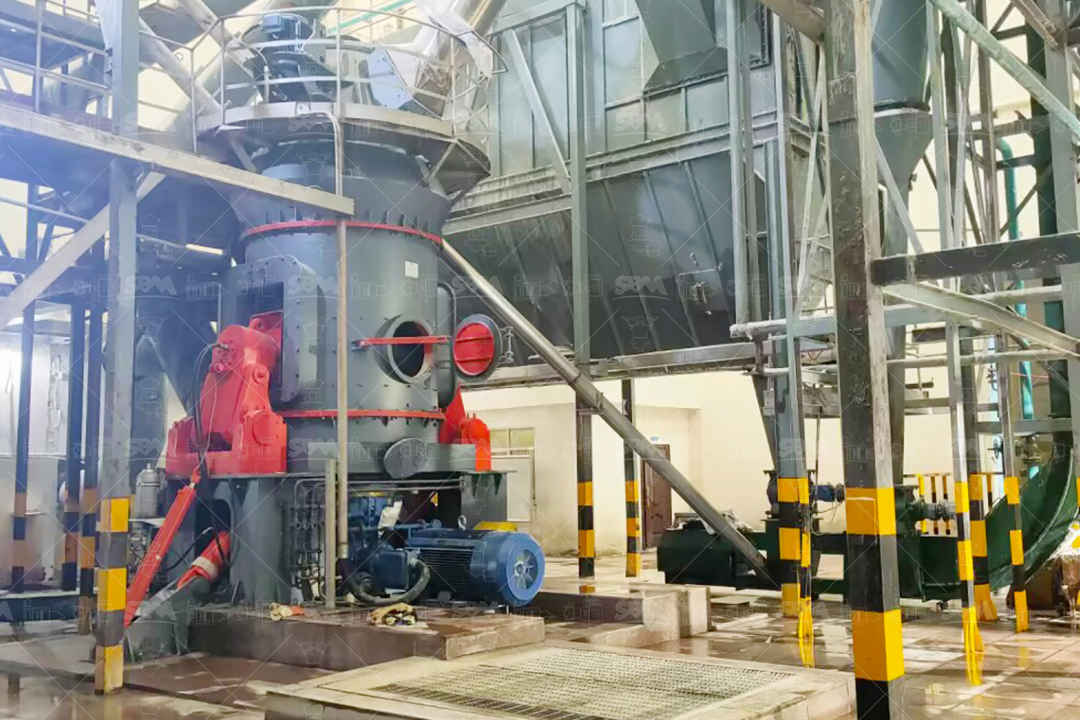
Not all vertical mills are equal when it comes to desulfurization limestone. The material is abrasive and can have variable hardness. SBM’s LM vertical roller mill is designed with high-quality wear-resistant materials for the roller and table liners, extending service life and reducing downtime. The mill’s low vibration and noise levels meet stringent environmental standards. The system is fully sealed and operates under negative pressure, with dust emission meeting national standards.
For ultra-fine desulfurization applications, SBM’s LUM ultrafine vertical mill can produce powders down to 4000 mesh. However, for typical WFGD, the LM series is sufficient and more cost-effective. The LUM series is better suited for high-end non-metallic mineral processing where ultrafine sizes are required.
Common Customer Pain Points and How Vertical Mills Address Them
Customers in the desulfurization industry often face several challenges:
- High energy consumption: Ball mills consume significant power. Vertical mills reduce energy use by 30–40%.
- Frequent maintenance: Wear parts in ball mills require frequent replacement. Vertical mills have longer wear life and easier maintenance.
- Moisture issues: Wet limestone causes clogging in ball mills. Vertical mills dry the material during grinding.
- Product consistency: Ball mills produce a wider particle size distribution. Vertical mills with dynamic classifiers produce a narrower, more reactive powder.
- Footprint and civil works: Ball mill systems require large foundations. Vertical mills can be arranged outdoors and occupy about 50% less space.
SBM Machinery has served over 180 countries and regions, providing complete grinding systems tailored to each customer’s specific limestone characteristics and desulfurization requirements. Our MTW European Trapezium Mill is also an option for smaller capacity lines, offering fineness from 30 to 400 mesh with capacities up to 40 tph.
Frequently Asked Questions (FAQ)
1. What is the ideal product fineness for desulfurization limestone?
Most wet FGD systems require limestone powder with 90% passing 200 mesh (75 microns) or 250 mesh (58 microns). Finer grinding increases reactivity but also raises grinding energy. The optimal fineness depends on the specific absorber design and limestone reactivity. Vertical mills can easily adjust fineness by changing the classifier speed.
2. Can a vertical mill handle limestone with high moisture content?
Yes. Vertical mills are excellent for high-moisture materials. The hot gas entering the mill can dry limestone with up to 15% moisture. This eliminates the need for a separate dryer, simplifying the process and reducing capital costs. However, the hot gas temperature and flow rate must be properly designed to ensure complete drying.
3. How does the vertical mill compare to a ball mill for desulfurization limestone?
Vertical mills offer lower energy consumption (30–40% less), smaller footprint, easier maintenance, and better product consistency. Ball mills are simpler and more robust for very hard materials, but they are less efficient and require more auxiliary equipment. For most desulfurization projects, vertical mills are the preferred choice.
4. What are the maintenance requirements for a vertical mill?
Vertical mills require regular inspection of wear parts (roller and table liners). With SBM’s wear-resistant materials, the service life can be several times longer than traditional mills. The grinding rollers can be replaced without dismantling the entire mill, reducing downtime. The automatic lubrication system ensures smooth operation. Overall, maintenance is less frequent and less labor-intensive than ball mills.
5. Can the vertical mill system be customized for my specific limestone?
Absolutely. SBM Machinery provides total solutions, from laboratory testing to system design and commissioning. We analyze your limestone’s grindability, moisture, and chemical composition to select the optimal mill model, classifier type, and auxiliary equipment. Our engineers can also integrate the mill with your existing WFGD system, ensuring seamless operation.
In conclusion, the process flow of a vertical mill for desulfurization limestone processing is a proven, efficient, and environmentally friendly solution. With SBM Machinery’s advanced equipment and global service network, power plants and industrial operators can achieve reliable limestone powder production, reduce operating costs, and meet strict emission standards. Whether you need a single mill or a complete grinding system, SBM’s expertise spans the entire mineral processing workflow.


