

Complete process flow of fiberglass vertical roller mill
Published: February 2025
Understanding the complete process flow of a fiberglass vertical roller mill is essential for manufacturers seeking to optimize production efficiency and product quality in the fiberglass industry. The fiberglass vertical roller mill represents a specialized application of vertical grinding technology, integrating crushing, drying, grinding, powder separation, and transportation into a single compact system. This comprehensive process begins with raw material preparation and feeding, proceeds through the grinding and classification stages within the mill, and concludes with powder collection and finished product storage. Each stage is carefully engineered to ensure consistent particle size distribution, minimal energy consumption, and environmental compliance. The vertical roller mill's unique design—featuring a rotating grinding plate and stationary rollers that apply pressure to form a material bed—offers significant advantages over traditional ball milling systems, including lower energy consumption, reduced floor space requirements, and enhanced drying capabilities. For fiberglass manufacturers, understanding this process flow enables better equipment selection, operational optimization, and troubleshooting. This article provides a detailed walkthrough of the entire process, from raw material handling to final product collection, highlighting key technical considerations and operational parameters that influence grinding performance and product quality.
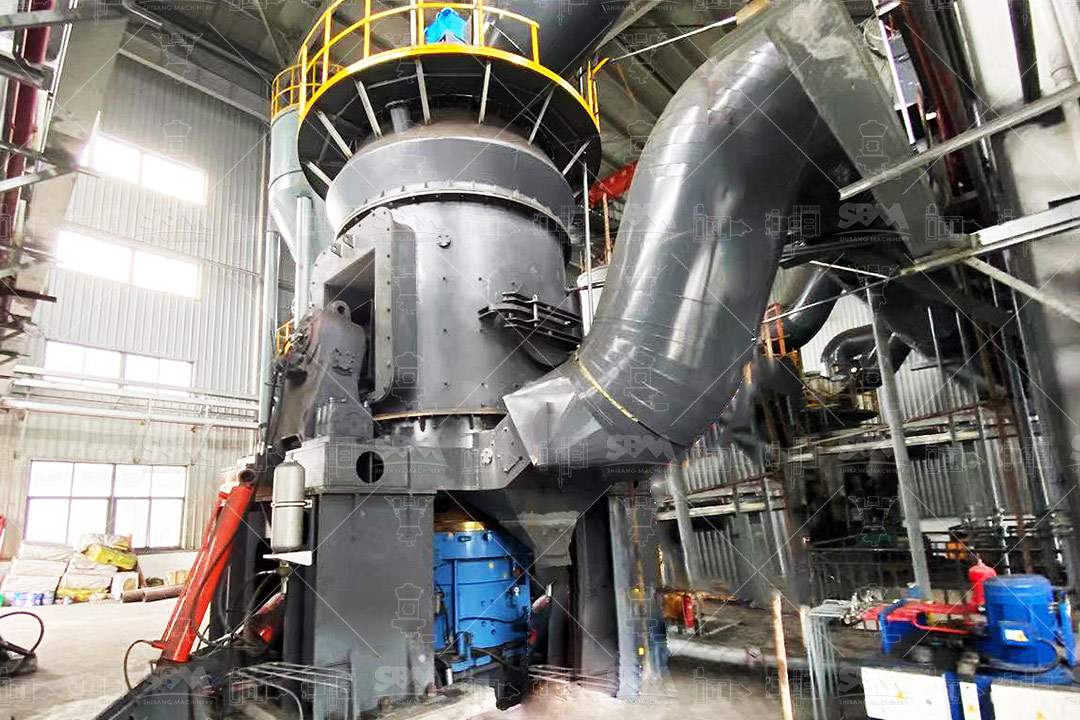
Raw Material Preparation and Feeding Stage
The fiberglass vertical roller mill process begins with the careful preparation of raw materials. Fiberglass production typically involves materials such as silica sand, limestone, dolomite, borax, and various additives that must be ground to specific fineness levels before being fed into the melting furnace. The raw materials arrive at the processing facility in various forms—some may be pre-crushed to less than 50mm, while others may require preliminary size reduction. The feed size for a typical vertical roller mill ranges from 0-50mm, making pre-crushing an essential upstream step for larger raw materials. The feeding system consists of several key components designed to ensure continuous and controlled material flow into the mill. A feed hopper with sufficient capacity provides buffer storage, allowing for uninterrupted operation even when upstream supply fluctuates. From the hopper, materials are transported via belt feeders or screw conveyors to the mill's central feed chute. The feed rate is precisely controlled by variable-frequency drives, enabling operators to adjust throughput based on downstream requirements and mill load conditions. Moisture content in raw materials is a critical parameter that affects grinding efficiency and mill operation. Fiberglass raw materials may contain varying levels of surface moisture, which the vertical roller mill can handle effectively due to its integrated drying function. Hot air from a dedicated hot air generator or kiln exhaust gas is introduced into the mill, facilitating simultaneous drying and grinding. The material's moisture content is typically reduced from 5-15% down to less than 1% during the grinding process, depending on the specific material characteristics and the temperature of the drying air. Proper material distribution across the grinding plate is essential for stable mill operation. The feed chute is designed to deposit materials at the center of the rotating grinding plate, from where centrifugal force distributes them outward toward the grinding zone. This distribution pattern ensures that materials form a consistent bed on the plate before being contacted by the grinding rollers, which is crucial for achieving uniform grinding and minimizing vibration.The Grinding and Drying Process Inside the Mill
The core of the fiberglass vertical roller mill process occurs within the grinding chamber, where material undergoes simultaneous drying, grinding, and classification. The grinding plate, driven by the main motor through a gearbox, rotates at a controlled speed, while the grinding rollers exert pressure on the material bed from above. The rollers do not contact the grinding plate directly; instead, they roll over the material layer, compacting and grinding particles through compressive and shearing forces. The material bed formation is a critical aspect of efficient grinding. As materials move outward from the center of the grinding plate due to centrifugal action, they are caught between the rollers and the plate surface. The grinding pressure, which can be adjusted hydraulically, determines the intensity of grinding and influences both product fineness and mill throughput. For fiberglass applications, optimal grinding pressure ensures that materials reach the desired fineness without over-grinding, which wastes energy and can negatively affect product quality. Drying occurs simultaneously with grinding as hot air flows upward through the mill, entering through the nozzle ring surrounding the grinding plate. The nozzle ring directs air at an optimal angle and velocity, facilitating the upward transport of ground particles while leaving coarser particles in the grinding zone for further size reduction. The temperature of the incoming hot air, typically ranging from 200°C to 350°C at the mill inlet, is carefully controlled to achieve the desired moisture reduction without causing thermal damage to sensitive materials. The grinding rollers in a vertical roller mill typically use high-quality materials such as special alloys with hardened surfaces, designed to withstand the abrasive nature of fiberglass raw materials. The roller shells and grinding plate liners are wearable components that require periodic replacement, though their service life has been significantly extended through advanced metallurgy and manufacturing techniques. The roller's design allows for the formation of an efficient material bed, improving grinding efficiency and increasing the proportion of finished products from the primary grinding pass.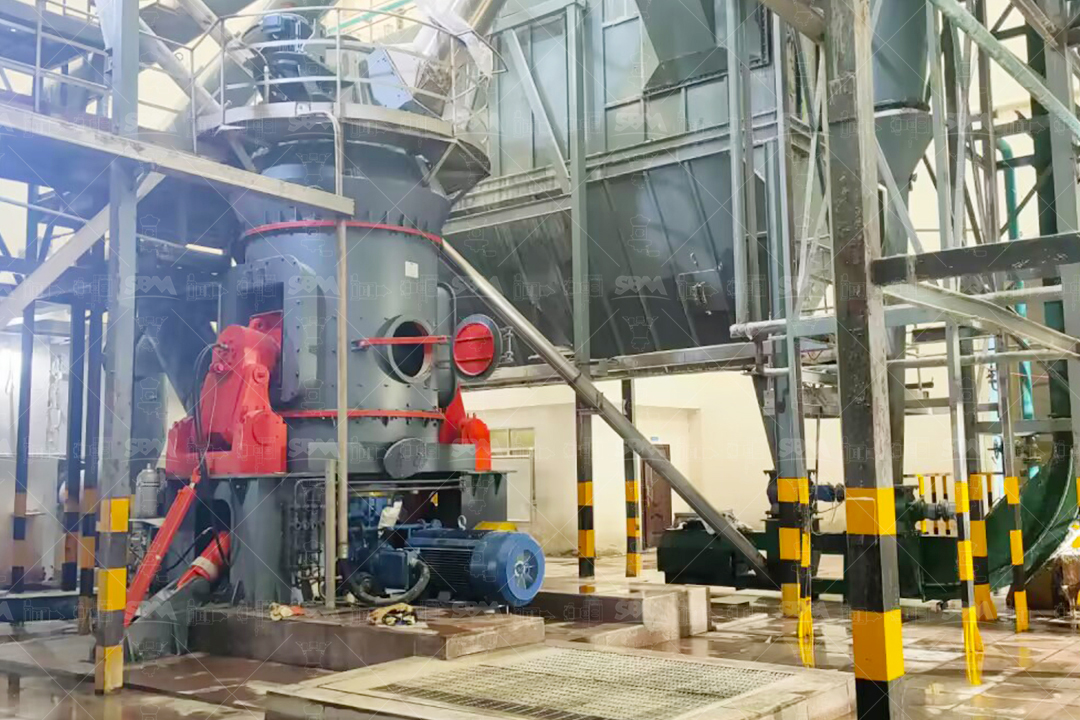
Powder Classification and Finished Product Collection
After being ground on the material bed, particles are transported upward by the airflow toward the classifier section at the top of the mill. The classifier, which may consist of a dynamic rotor or a static vane system, separates particles based on their size. Fine particles that meet the target fineness pass through the classifier and exit the mill, while coarser particles are rejected and fall back onto the grinding plate for further grinding. This internal classification loop ensures that only material of the desired fineness leaves the mill, maintaining consistent product quality. The efficiency of the classifier significantly impacts both product quality and mill throughput. Advanced classifiers with frequency-conversion control allow operators to adjust the cut point and achieve precise particle size distribution. For fiberglass applications, typical product fineness ranges from 200 to 400 mesh, depending on the specific requirements of the downstream melting process. The classifier's rotor speed can be adjusted to change the cut size, enabling flexibility in production without requiring mill shutdown. Ground product exits the mill at the top, carried by the transport air stream, and enters a dust collection system. This system typically consists of a cyclone separator followed by a bag filter or pulse dust collector. The cyclone pre-separates the majority of finished product, which is then discharged through a rotary valve into a screw conveyor or pneumatic transport system. The finer dust that passes through the cyclone is captured by the bag filter, ensuring high collection efficiency and minimal emissions. The efficient double powder collecting method combining powder collectors and pulse dust collectors achieves excellent dust collection performance, far exceeding international standards. The collected finished product is transported to storage silos for cooling and homogenization before being dispatched to subsequent processes. For fiberglass production, the ground raw materials must meet strict specifications regarding particle size distribution, moisture content, and chemical composition to ensure consistent melting behavior and final product quality. Environmental protection features are integral to the vertical roller mill design. The system operates under negative pressure, preventing dust from escaping at any point. The optimized sound insulation room and muffling devices effectively control equipment noise, creating a safer and more comfortable working environment. Air emissions are filtered to meet national standards, and any collected dust is returned to the production process, minimizing waste.Automation and Control Systems
Modern fiberglass vertical roller mills incorporate sophisticated automatic control systems that monitor and adjust multiple parameters to maintain optimal grinding conditions. The PLC or DCS control system continuously tracks variables such as grinding pressure, rotating speed of the grinding plate, classifier speed, mill differential pressure, and inlet/outlet temperatures. Based on these measurements, the system automatically adjusts feed rate, grinding pressure, and hot air flow to ensure stable operation and consistent product quality. The control mode for pressure adjustment of the grinding roller adopts PLC/DCS automatic control, ensuring accurate control of grinding pressure, high efficiency, and stable operation. Automatic control enables remote operation from a central control room, reducing the need for manual intervention and saving labor costs. Frequency-conversion speed regulation allows the mill to be optimized for different materials and production conditions, enhancing flexibility and reducing specific energy consumption. The mill can operate with remote and local control modes, and switching between them is straightforward. Safety interlocks prevent equipment damage under abnormal conditions, such as when the material feed is interrupted or when grinding pressure exceeds safe limits. Historical data logging and trend analysis capabilities help operators identify potential issues before they affect production, enabling predictive maintenance and reducing unplanned downtime.Frequently Asked Questions
1. What causes vibration in the fiberglass vertical roller mill during operation?
Vibration in a vertical roller mill can result from several factors, including uneven material distribution on the grinding plate, insufficient material bed depth, excessive grinding pressure, or wear on the roller and plate surfaces. To address this issue, check the feed distribution system to ensure materials are deposited evenly at the center of the grinding plate. Verify that the material bed depth is adequate—insufficient material can cause the rollers to contact the plate directly, leading to vibration and rapid wear. Adjust grinding pressure to match the material's grindability and the desired product fineness. If vibration persists, inspect the roller and plate for uneven wear and replace worn components as needed. Additionally, ensure that the classifier is functioning properly and not allowing excessive coarse material to recirculate, which can cause mill instability.
2. How can I reduce the specific energy consumption of my fiberglass grinding operation?
Energy consumption in vertical roller mills is influenced by several operational parameters. First, optimize grinding pressure—excessive pressure increases power draw without proportional increases in output. Use the automatic pressure control system to maintain the minimum pressure required for the desired product fineness. Second, ensure the classifier is operating efficiently to prevent over-grinding; returning already-fine particles to the grinding zone wastes energy. Third, maintain proper material bed depth, as insufficient depth can cause rollers to slip and waste energy. Fourth, pre-dry materials if they have high moisture content to reduce the thermal load on the mill. Finally, regularly inspect and replace worn roller and plate surfaces, as worn components reduce grinding efficiency and increase specific energy consumption.
3. What maintenance procedures are required for a fiberglass vertical roller mill?
Regular maintenance is essential for reliable operation and long equipment life. Daily checks include monitoring vibration levels, bearing temperatures, and lubrication systems. Weekly tasks involve inspecting the grinding rollers and plate for wear, checking the hydraulic system for leaks, and verifying classifier operation. Monthly maintenance includes lubricating the main gearbox, inspecting the nozzle ring for wear or blockage, and checking the bag filter for proper function. Annually, the grinding rollers and plate liners should be inspected for wear and replaced if necessary. The gearbox oil should be analyzed and replaced according to the manufacturer's recommendations. Additionally, the entire system should be inspected for air leaks, and the control system should be calibrated and tested.
4. How do I adjust the product fineness from my vertical roller mill?
Product fineness in a vertical roller mill is primarily controlled by the classifier speed. Increasing the classifier rotor speed raises the cut point, allowing finer particles to pass through while rejecting coarser particles back to the grinding zone. Conversely, reducing the classifier speed allows coarser particles to exit, increasing product fineness (larger particles). Adjustments should be made gradually, with sufficient time for the system to stabilize between changes. Grinding pressure also affects fineness; higher pressure generally produces finer product, but with increased energy consumption. The relationship between classifier speed, grinding pressure, and product fineness should be established during commissioning and documented for reference. For precise control, use the automatic feedback system that adjusts parameters to maintain the desired fineness.
5. What are the key differences between a vertical roller mill and a ball mill for fiberglass grinding?
Vertical roller mills and ball mills differ significantly in their grinding mechanisms and operational characteristics. Vertical roller mills use compressive grinding between rollers and a rotating plate, forming a material bed that is ground under pressure. This mechanism is more energy-efficient than ball milling, consuming 30-40% less energy for the same output. Vertical mills also have a smaller footprint, requiring about 50% less floor space, and can be installed outdoors. They integrate drying, grinding, and classification in a single unit, simplifying the process flow. Ball mills, by contrast, use impact and attrition forces from tumbling grinding media, which is less efficient and generates more heat. However, ball mills can handle larger feed sizes and are more suitable for very hard materials. For fiberglass applications where energy efficiency and product consistency are critical, vertical roller mills are generally preferred, though the specific choice depends on material characteristics, production capacity, and site conditions.


