

Safe operation of raymond mill: risk prevention manual in calcium carbonate processing
Published: April 8, 2025
Safe operation of a Raymond mill in calcium carbonate processing is not just about avoiding accidents—it is about protecting your people, your equipment, and your bottom line. This risk prevention manual draws on decades of grinding equipment expertise to summarize the most critical hazards, practical prevention strategies, and operational best practices for anyone running a Raymond mill, European trapezium mill, or vertical roller mill in a calcium carbonate plant. Whether you are processing heavy calcium carbonate (GCC) for paper, plastics, or paints, understanding the risks associated with dust, heat, mechanical failure, and material buildup is the first step toward a safer, more productive operation.
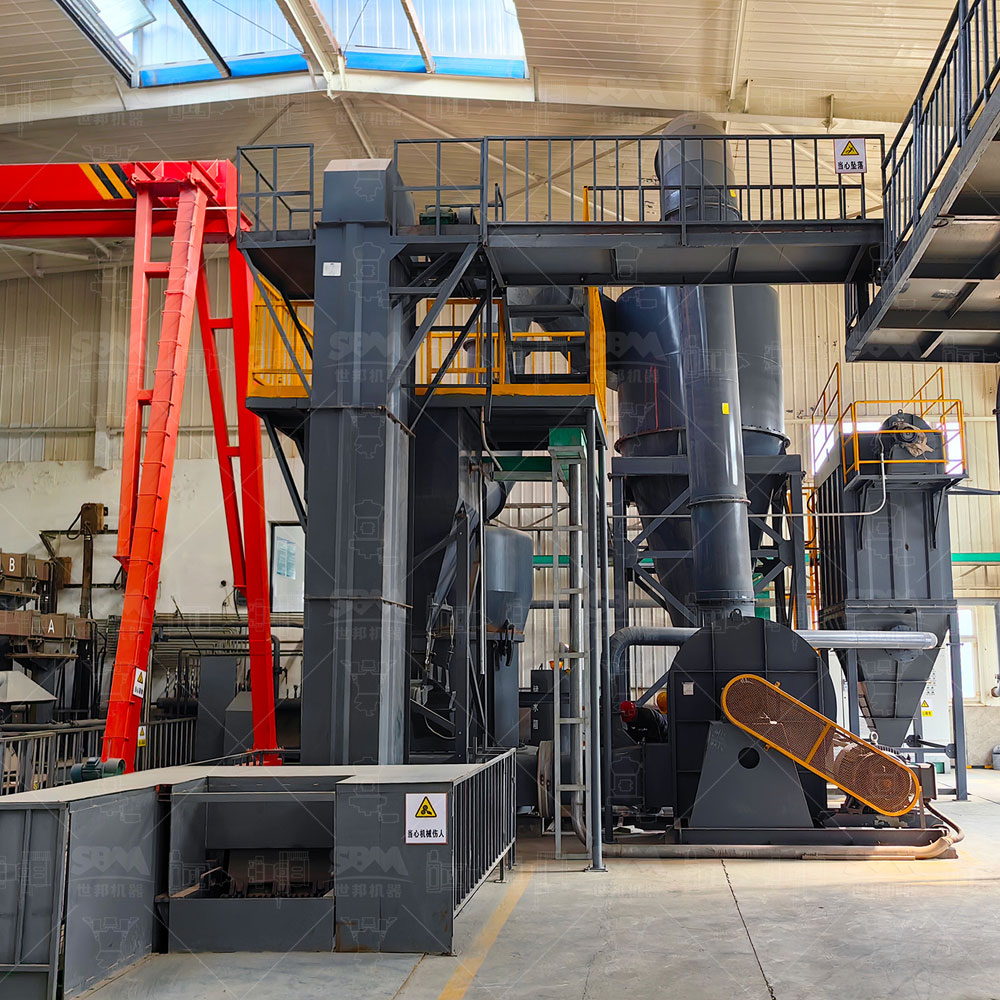
1. Understanding the Unique Risks of Calcium Carbonate Grinding
Calcium carbonate is a relatively soft mineral, but that does not make it harmless. In a Raymond mill—especially European trapezium mills and other pendulum-type pulverizers—the material is ground between rollers and a ring under significant pressure. The fine powder generated during processing presents several distinct hazards:
- Dust explosibility and inhalation risks: Although calcium carbonate dust is not typically combustible, it can still create respiratory hazards and reduce visibility. In enclosed spaces, excessive dust can also interfere with electrical equipment and lubrication systems.
- Mechanical entanglement: The rotating shaft, grinding rollers, and shovel blades create pinch points and entanglement hazards if guards are removed or maintenance is performed while the mill is running.
- Hot surfaces and fire potential: Friction between grinding elements and material can generate heat. If lubricants leak or combustible materials accumulate, a fire risk exists.
- Overpressure and blockages: Calcium carbonate can bridge or cake in the feed system, leading to sudden surges when the blockage clears. This can cause vibration, abnormal wear, and even structural damage.
Our European trapezium mill (MTW Raymond Mill) was designed with these risks in mind, incorporating features such as a cone gear whole transmission, inner oil absorption lubrication, and an arc air flue. However, no design can replace proper operating procedures and risk awareness.
2. Pre-Startup Safety Checks
Before pressing the start button, a series of checks should become second nature. These are not optional; they are your first line of defense.
2.1 Mechanical Integrity
- Inspect the grinding rollers and ring for wear. In a Raymond mill, uneven wear can cause vibration and poor powder quality. Our combined-type shovel blade design allows you to replace only the blade during maintenance, reducing cost and downtime—but you must actually do it.
- Verify that all guards and covers are in place. The cone gear transmission and belt drives must be fully enclosed.
- Check the lubrication system. The inner oil absorption lubrication system in our MTW series requires regular oil level and quality checks. Low oil or contaminated oil leads to bearing failure, which can be catastrophic at operating speeds.
2.2 Electrical and Control Systems
- Confirm that the motor and starter are free of moisture and dust. Calcium carbonate dust is not conductive in normal conditions, but combined with moisture it can cause short circuits.
- Test the emergency stop function. In a vertical roller mill or ultrafine mill, the control system should allow for immediate shutdown without causing material backup.
- For mills equipped with automatic control systems (such as our LUM ultrafine vertical mill with PLC/DCS), ensure that the pressure adjustment and speed controls are responding correctly.
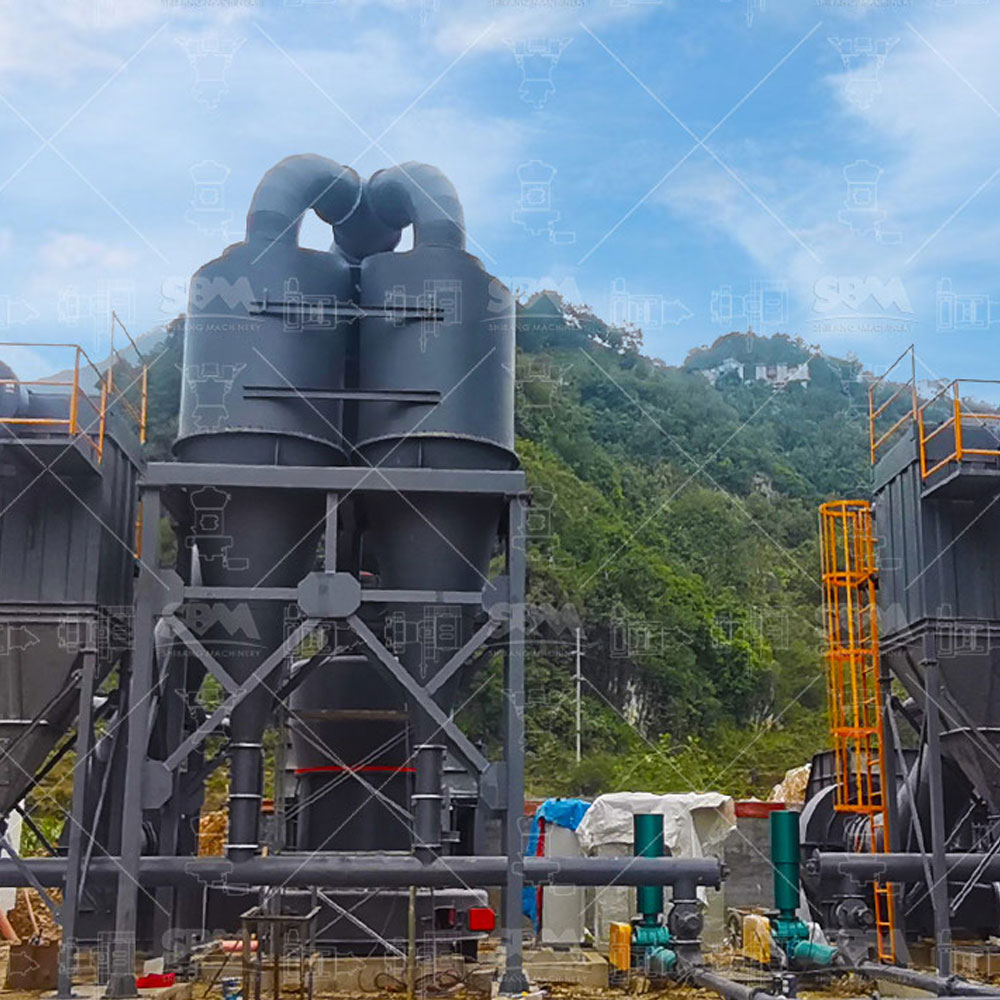
2.3 Material Feed and Airflow
- Check the feeder for foreign objects. Metal pieces, rocks, or tools left in the feed bin can break rollers or jam the mill.
- Inspect the air duct. The arc air duct design in our trapezium mill reduces air energy loss, but a blocked duct will cause material to accumulate and overheat.
- Verify the classifier settings. In ultrafine grinding, the vertical turbine powder classifier must be set for the desired fineness. Incorrect settings can lead to coarse powder recirculation and increased load.
3. Safe Operating Parameters and Monitoring
Once the mill is running, your attention shifts to monitoring. The goal is to stay within safe operating windows and detect deviations early.
3.1 Temperature and Vibration
Both temperature and vibration are your early warning signals. In a Raymond mill, the main bearing temperature should be monitored continuously. A sudden rise indicates lubrication failure or excessive grinding pressure. Vibration can signal roller wear, material buildup, or a loose foundation bolt. Our LUM ultrafine vertical mill uses a special structural design to minimize vibration, but you must still monitor it. Install vibration sensors on the main frame and set alarms at predetermined thresholds.
3.2 Current Draw and Power Consumption
The motor current is a direct indicator of load. If current spikes, it means the mill is working harder than it should—perhaps due to overfeeding, a blockage, or worn grinding elements. In a vertical roller mill, the grinding rollers directly grind material on the grinding plate, resulting in lower energy consumption than ball mills. However, that advantage disappears if you ignore current trends. Set upper and lower limits and train operators to respond immediately.
3.3 Dust Collection and Air Quality
The efficient double powder collecting method—combining powder collectors and pulse dust collectors—is designed to achieve good dust collection far above international standards. But filters clog, pulse valves fail, and ductwork leaks. A weekly inspection of the dust collection system is mandatory. Remember: dust not only poses health risks but also creates a fire hazard if it accumulates on hot surfaces. The optimized sound insulation room and muffler in our ultrafine mill also help prevent noise, but they must remain intact.
4. Maintenance Safety: The Highest-Risk Activity
Most accidents in grinding operations happen during maintenance, not during normal operation. The risks are higher because guards are removed, energy sources may not be fully isolated, and workers are in close proximity to moving parts.
4.1 Lockout/Tagout (LOTO)
Every maintenance task must begin with a strict lockout/tagout procedure. This includes:
- Shutting off the main power and locking the disconnect switch.
- Closing and locking the feed and discharge valves.
- Releasing stored energy—springs, hydraulic pressure, and gravity-fed material.
- Verifying zero energy state before any work begins.
For mills with automatic control systems, never rely solely on remote shutdown. The system may restart unexpectedly if a fault clears. Always isolate locally.
4.2 Roller and Ring Replacement
In a Raymond mill, replacing the grinding rollers and ring is a common maintenance task. Our combined-type shovel blade design allows only the blade to be replaced, which reduces cost and time. But the process still involves heavy components and pinch points. Use proper lifting equipment, never place hands between the roller and ring, and ensure the mill is completely cool before starting. The curved shovel blades change the feeding angle and prolong the service life of the roller and ring, but they also require careful alignment during reassembly.
4.3 Lubrication and Oil Changes
The inner oil absorption lubrication system in our European trapezium mill is efficient but requires clean oil of the correct viscosity. When changing oil, avoid spills. Calcium carbonate dust mixed with oil creates a abrasive paste that can damage bearings. Dispose of used oil properly and never leave rags or tools inside the mill housing.
5. Emergency Response and Risk Mitigation
Even with the best prevention, emergencies happen. Your response plan should cover:
- Fire: If a fire starts in the mill or dust collector, shut down the feed, stop the main motor, and activate the fire suppression system. Never use water on an electrical fire. Train all operators on extinguisher use.
- Material surge: If a blockage clears suddenly and material floods the mill, reduce feed immediately and allow the mill to stabilize. Do not open inspection doors while the mill is running.
- Personal injury: Keep a well-stocked first aid kit and ensure at least one trained first-aider per shift. For entanglement injuries, do not attempt to reverse the machine—call emergency services.
6. Training and Safety Culture
Procedures are only as good as the people following them. Every operator and maintenance technician should receive hands-on training specific to the mill type—whether it is a Raymond mill, vertical roller mill, ultrafine mill, or ball mill. Training should cover:
- Normal operating parameters and how to recognize deviations.
- Safe startup and shutdown sequences.
- Lockout/tagout and confined space entry.
- Emergency response drills.
- Proper use of personal protective equipment (PPE): dust masks, safety glasses, hearing protection, and gloves.
At SBM Machinery, we have served over 180 countries and regions, and we have seen that the safest plants are those where safety is a value, not just a rule. Encourage workers to report near-misses and unsafe conditions without fear of blame.
Frequently Asked Questions (FAQ)
1. What is the most common cause of Raymond mill fires in calcium carbonate processing?
The most common cause is friction heat from worn grinding elements combined with accumulated dust and oil leaks. If the mill is not cleaned regularly and lubrication is neglected, a spark can ignite dust or oil residue. Regular inspection and immediate replacement of worn rollers and rings are your best prevention.
2. How often should I replace the grinding rollers and ring in my Raymond mill?
It depends on the abrasiveness of your calcium carbonate and your operating hours. With our combined-type shovel blade design, you can replace only the blade during maintenance, which extends the service life of the roller and ring. Typically, inspect every 500–800 hours and replace when wear exceeds the manufacturer's limit. The curved shovel blades help prolong the life of both roller and ring by changing the feeding angle.
3. Can I run my calcium carbonate Raymond mill without a dust collector?
No. Operating without a properly functioning dust collector is unsafe and non-compliant. Dust not only harms worker health but also creates a fire and explosion risk (even for non-combustible dust, accumulation can block airflow and overheat the mill). Our mills are designed to work with efficient pulse dust collectors, and the system should operate under negative pressure to prevent dust spillover.
4. What should I do if the mill starts vibrating excessively?
Stop feeding immediately and reduce the main motor speed to idle. Excessive vibration usually indicates worn rollers, a loose foundation, material buildup, or an unbalanced rotor. Do not attempt to diagnose while the mill is running. After shutdown, inspect the grinding elements, check foundation bolts, and clean any material buildup. In LUM ultrafine vertical mills, the grinding chamber has no bearing screw and is balanced at the factory, but it still requires periodic inspection.
5. How can I reduce energy consumption while maintaining safe operation?
Choose the right mill for your fineness and capacity. For calcium carbonate, a vertical roller mill typically consumes 30–40% less energy than a ball mill system. Ensure your classifier is set correctly to avoid over-grinding. Use the automatic control system to maintain stable grinding pressure and feed rate. And keep the grinding elements in good condition—worn parts increase energy draw. Our LM vertical roller mill and LUM ultrafine vertical mill are designed for low operating costs without compromising safety.


