

Structural features and operation maintenance of raymond mill
Published: 2024-06-15
Raymond mill, also known as the pendulum pulverizer, remains one of the most widely used grinding machines in the mineral processing industry, and its modern iterations—especially the European trapezium mill—have evolved far beyond the original design. From its cone gear whole transmission and arc air duct to its combined-type shovel blade and volute casing, the structural features of a contemporary Raymond mill directly influence grinding efficiency, wear resistance, and maintenance intervals. Proper operation and timely maintenance are equally critical: lubrication of the inner oil absorption system, inspection of the grinding roller and ring, balancing of the analyzer blade, and control of feed size and moisture all determine whether the mill achieves its rated output and service life. This article summarizes the key structural characteristics of Raymond mills and provides practical guidance on operation and maintenance, drawing on the MTW Series European Trapezium Grinding Mill as a representative modern design.
Structural Features of Modern Raymond Mills
The traditional Raymond mill has served the industry for decades, but its limitations in capacity, fineness control, and maintenance cost became increasingly apparent as demand for finer powders and larger throughput grew. The MTW Series European Trapezium Grinding Mill was developed specifically to address these limitations, integrating structural innovations that improve both performance and reliability.
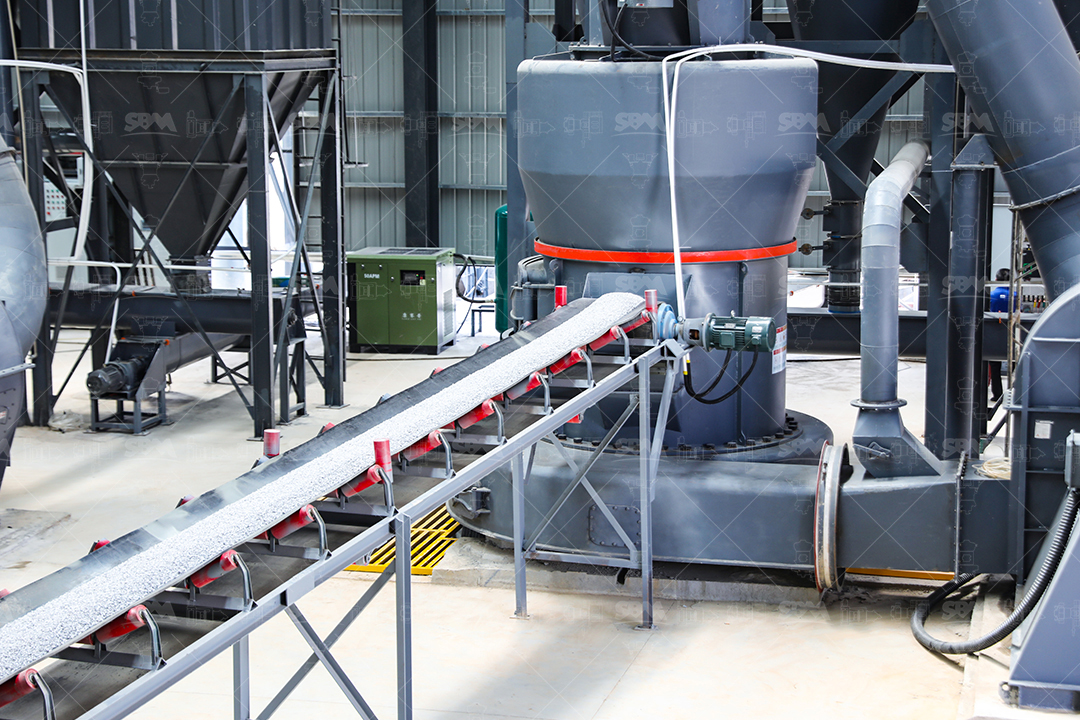
1. Cone gear whole transmission. Unlike conventional mills that rely on belt or side-mounted gear drives, the MTW mill adopts a bevel gear integral transmission. This design achieves higher transmission efficiency, reduces the footprint of the drive system, and lowers the overall investment cost. More importantly, it minimizes the vibration and misalignment issues that often plague belt-driven systems, which in turn reduces maintenance frequency and extends the life of the transmission components.
2. Inner oil absorption lubrication system. Lubrication is the lifeline of any grinding mill. The inner oil absorption system ensures that the main shaft, bearings, and gear assemblies receive a continuous and controlled supply of lubricant. This design prevents overheating during continuous operation and significantly reduces the risk of bearing seizure—one of the most common causes of unplanned downtime in traditional mills.
3. Arc air duct design. The circular or arc-shaped air duct avoids sharp corners where airflow would otherwise lose energy. By maintaining a smooth, unobstructed path for the air stream, the mill ensures efficient transportation of ground material from the grinding chamber to the classifier. The air duct is also lined with high-strength guard plates that protect the working surface from abrasive wear, extending the service life of the duct itself.
4. Combined-type shovel blade and curved shovel design. The shovel blade is one of the most frequently replaced wear parts in a Raymond mill. The MTW mill uses a combined-type shovel blade in which only the blade itself needs to be replaced during maintenance, rather than the entire assembly. The curved profile of the shovel blades changes the feeding angle, allowing material to be fed more evenly onto the grinding ring. This not only improves grinding efficiency but also prolongs the service life of the grinding roller and ring, reducing operating costs.
5. Volute casing design. The unobstructed wear-resistant volute improves the efficiency of wind-driven transmission within the mill. By optimizing the airflow pattern, the volute reduces turbulence and ensures that fine powder is carried efficiently to the classifier while coarse particles fall back for further grinding. The wear-resistant construction also reduces the frequency of casing repairs.
These structural features work together to deliver a mill that operates at international advanced levels in terms of capacity, fineness, and energy consumption. The MTW mill accepts input sizes up to 50 mm and produces output fineness between 30 and 400 mesh, with capacities ranging from 3 to 40 tons per hour, making it suitable for a wide range of applications including limestone desulfurization, heavy calcium carbonate processing, coal powder preparation, and petroleum coke grinding.
Operation and Maintenance Best Practices
Even the most advanced mill will underperform if operated improperly or maintained infrequently. The following sections outline the key operational parameters and maintenance routines that keep a Raymond mill running at peak efficiency.
Feed Control
Feed size and feed rate are the two most critical operational variables. The MTW mill is designed to accept feed material up to 50 mm, but in practice, a more consistent feed size—ideally below 30 mm—promotes smoother operation and reduces the load on the grinding roller and ring. Oversized material can cause vibration, increase wear, and reduce capacity.
Feed rate should be adjusted so that the grinding chamber maintains a steady material bed. Too little feed leads to metal-to-metal contact between the roller and ring, causing rapid wear. Too much feed overwhelms the classifier, resulting in coarse product and potential blockage of the air duct. Operators should monitor the main motor current as a reliable indicator of feed rate: a sudden drop in current usually indicates insufficient feed, while a rising current suggests overfeeding.
Lubrication Management
The inner oil absorption lubrication system requires regular inspection. Oil level, oil quality, and oil temperature should be checked daily. Contaminated or degraded oil loses its lubricating properties and can damage bearings and gears. Depending on the operating environment and duty cycle, oil changes may be required every 2,000 to 4,000 operating hours. In dusty environments, more frequent changes are advisable.
Grease points on the roller assembly, analyzer shaft, and discharge valve should be lubricated according to the manufacturer's schedule. Missing a single lubrication interval can lead to premature bearing failure and costly downtime.
Wear Part Inspection and Replacement
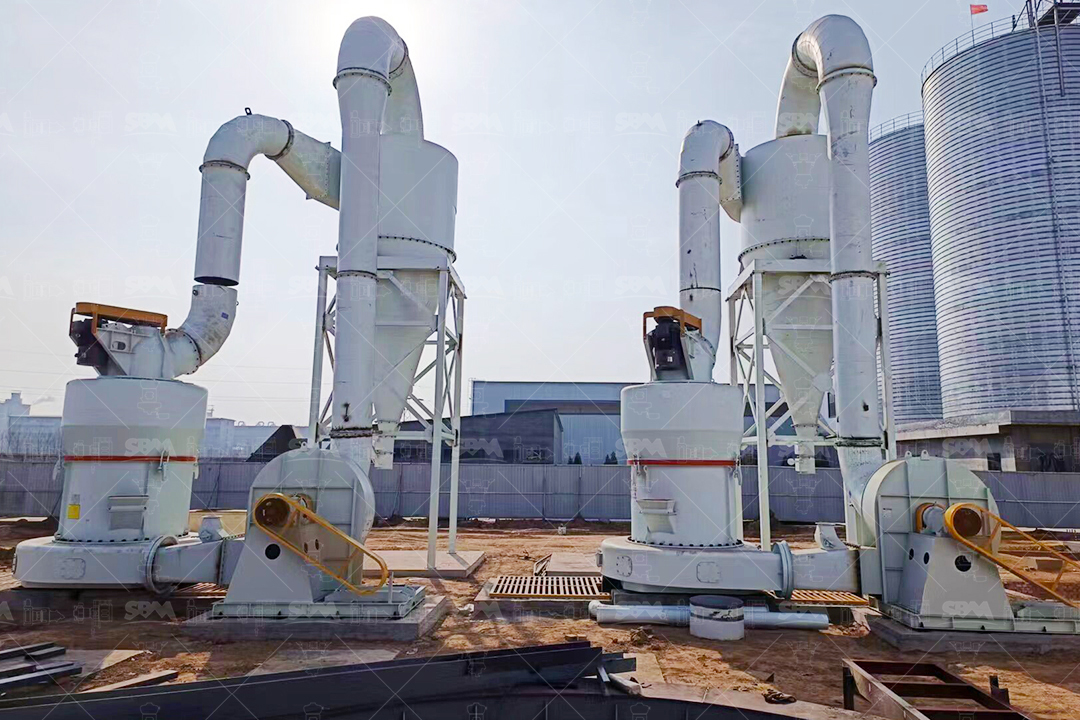
The grinding roller, grinding ring, and shovel blade are the primary wear parts. Their rate of wear depends on the abrasiveness of the feed material and the fineness of the product. Soft materials such as limestone and calcite cause relatively slow wear, while hard or abrasive materials such as quartz and slag accelerate it.
Roller and ring wear should be measured at regular intervals—typically every 500 to 1,000 operating hours. When the wear profile becomes uneven or the gap between roller and ring exceeds the recommended limit, productivity drops and product fineness becomes inconsistent. The combined-type shovel blade design allows operators to replace only the blade, which reduces maintenance cost and downtime.
The analyzer blade (classifier blade) also requires periodic inspection. Worn or unbalanced analyzer blades cause vibration and inconsistent product fineness. Blades should be replaced in complete sets to maintain balance.
Airflow and Classifier Adjustment
The arc air duct and volute are designed to minimize pressure loss, but dust accumulation or material buildup can gradually reduce airflow efficiency. Periodic cleaning of the air duct and volute is recommended. The classifier speed determines the cut point between fine product and coarse return material. For a given feed rate and air volume, increasing classifier speed produces a finer product; decreasing it produces a coarser product. Operators should adjust classifier speed gradually and verify results with sieve analysis.
Vibration and Noise Monitoring
Vibration is often the first sign of an emerging problem. Unusual vibration may indicate worn rollers, unbalanced analyzer blades, loose foundation bolts, or foreign objects in the grinding chamber. Any sudden increase in vibration should be investigated immediately. Noise levels should also be monitored; a change in the sound of the mill often precedes a mechanical failure.
System Sealing and Dust Collection
The mill operates under negative pressure, and the system is fully sealed to prevent dust from escaping. The pulse dust collector and Cyclone collector work together to recover fine powder and maintain a clean working environment. Filter bags should be inspected regularly and replaced when they become clogged or damaged. A compromised dust collection system not only creates environmental compliance issues but also reduces mill capacity by restricting airflow.
Extending Service Life Through Proper Operation
Raymond mill maintenance is not merely about replacing worn parts; it is about operating the mill within its design parameters and anticipating wear before it causes failure. The structural features of the modern MTW mill—cone gear transmission, inner oil absorption lubrication, arc air duct, combined-type shovel blade, and volute design—were engineered to reduce maintenance burden and improve reliability. However, these features deliver their full benefit only when operators follow proper feed control, lubrication, inspection, and adjustment procedures.
For industries such as power generation, building materials, mining, metallurgy, chemicals, and non-metallic minerals, the Raymond mill remains a workhorse. With over 180 countries and regions served by SBM grinding equipment, the accumulated field experience confirms that disciplined operation and preventive maintenance are the most effective ways to maximize return on investment. Whether the application is environmental desulfurization limestone powder preparation, heavy calcium carbonate processing, coal powder preparation, petroleum coke grinding, or slag micro-powder production, the principles of structural understanding and proactive maintenance apply equally.
Frequently Asked Questions
1. Why does my Raymond mill produce inconsistent product fineness even when the classifier setting is unchanged?
Inconsistent fineness is usually caused by wear on the grinding roller and ring, a worn or unbalanced analyzer blade, or fluctuating feed rate. As the roller and ring wear, the grinding gap increases, allowing coarser particles to pass. Simultaneously, if the analyzer blade is worn, the classification cut point shifts. Check roller and ring wear first, then inspect the analyzer blade. Also verify that feed rate and feed size remain stable, because surges in feed can temporarily overwhelm the classifier and push coarse material into the finished product.
2. How often should I replace the grinding roller and ring?
There is no fixed replacement interval because wear depends on material abrasiveness, feed size, product fineness, and operating hours. In general, inspect the roller and ring every 500 to 1,000 operating hours. Replace them when the wear profile becomes uneven, when the gap exceeds the manufacturer's limit, or when capacity and fineness can no longer be maintained through adjustment. Using the combined-type shovel blade and maintaining proper feed size will extend roller and ring life.
3. What causes excessive vibration in a Raymond mill?
Excessive vibration can result from several causes: worn or unbalanced grinding rollers, a damaged or unbalanced analyzer blade, loose foundation bolts, foreign material in the grinding chamber, or improper feed size. Start by checking the foundation and anchor bolts, then inspect the grinding rollers and analyzer blade. If vibration persists, stop the mill and inspect the grinding chamber for foreign objects. Operating the mill with insufficient feed can also cause vibration because the roller contacts the ring directly.
4. Why is my mill's capacity lower than the rated output?
Reduced capacity is often caused by worn grinding parts, insufficient airflow, a clogged air duct or dust collector, excessive feed moisture, or incorrect classifier speed. Check the air duct and volute for material buildup, inspect the dust collector filter bags, and verify that feed moisture is within the acceptable range. Worn rollers and rings reduce grinding efficiency and should be replaced. Also confirm that the main motor current is within the normal range; if it is consistently low, the feed rate may be too low, and if it is consistently high, the mill may be overloaded.
5. What is the most common maintenance mistake that leads to unexpected downtime?
The most common mistake is neglecting lubrication and wear part inspection. Many operators wait until a bearing fails or the mill vibrates excessively before taking action. By then, secondary damage—such as a scored shaft or damaged gear—may have occurred, turning a minor repair into a major overhaul. Following the lubrication schedule, checking oil quality, and measuring roller and ring wear at regular intervals are simple routines that prevent the majority of unplanned shutdowns.


