

Fault diagnosis and maintenance strategies for vertical roller mill hydraulic systems
Published on: May 15, 2025
Vertical roller mills (VRMs) are the backbone of modern grinding circuits in cement, coal, slag, and non-metallic mineral processing. At the heart of their reliable operation lies the hydraulic system, which controls grinding pressure, roller positioning, and system protection. Faults in this system—whether due to oil contamination, pressure instability, seal degradation, or control logic errors—can lead to unplanned downtime, reduced product quality, and costly mechanical damage. Based on extensive field data and product expertise from SBM Machinery, this article summarizes common hydraulic faults in VRMs, diagnostic methods, and maintenance strategies. It then addresses five frequently asked questions from customers, offering practical guidance to improve system availability and extend service life.
1. Common Hydraulic Faults in Vertical Roller Mills
VRM hydraulic systems operate under high pressure and often in dusty, high-temperature environments. Faults typically fall into four categories: pressure-related, flow-related, contamination-related, and control-related. Pressure faults include inability to build pressure, pressure fluctuations, and sudden pressure drops. Flow faults manifest as slow roller movement or failure to lift or lower the grinding rollers. Contamination—solid particles, water, or air in the oil—accelerates wear and causes valve sticking. Control faults often stem from sensor drift, PLC miscommunication, or incorrect parameter settings.
In SBM’s LM vertical roller mill and LUM ultrafine vertical mill, the hydraulic system is designed with an automatic control system that allows remote and local switching. However, even robust systems require proper diagnosis. For example, a pressure drop during operation may indicate internal leakage in the cylinder, a worn relief valve, or a failing pump. A gradual increase in oil temperature often points to clogged filters or degraded oil. Therefore, systematic fault diagnosis begins with monitoring pressure, temperature, flow, and oil cleanliness in real time.
2. Diagnostic Methods and Tools
Effective fault diagnosis combines condition monitoring with physical inspection. Key parameters to track include system pressure (both pump outlet and cylinder inlet), oil temperature, filter differential pressure, and particle count. Vibration analysis on the pump and motor can reveal cavitation or bearing wear. Thermal imaging helps identify hot spots in valves or accumulators.
For VRM hydraulic systems, a step-by-step diagnostic approach is recommended:
- Verify the pressure setpoint and actual pressure. If pressure is low, check the pump, relief valve, and cylinder seals.
- Inspect oil quality. Water content above 0.1% or ISO cleanliness code above 18/16/13 indicates the need for filtration or oil change.
- Test the directional control valves. Sticking spools often cause slow or erratic roller movement.
- Check the accumulator pre-charge. A failed accumulator leads to pressure spikes and poor response.
- Review PLC logs for alarm history and control signal anomalies.
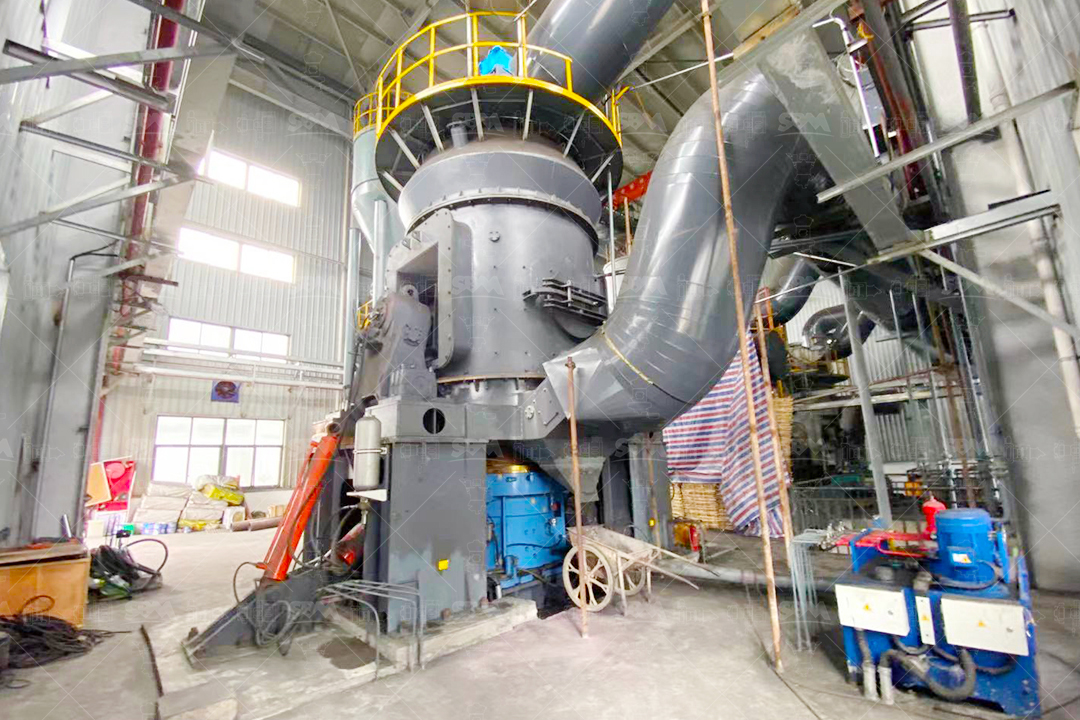
SBM’s vertical roller mills are equipped with PLC/DCS automatic control systems that log pressure, grinding pressure, and classifier speed. These logs are invaluable for diagnosing intermittent faults. In addition, the LUM ultrafine vertical mill adopts a multi-rotor classifier and frequency-conversion speed regulation, which requires stable hydraulic pressure to maintain product fineness. Any hydraulic instability directly affects finished product quality.
3. Maintenance Strategies for Hydraulic Systems
Preventive and predictive maintenance are far more cost-effective than reactive repairs. For VRM hydraulic systems, a comprehensive maintenance strategy should include:
3.1 Oil Management
Oil is the lifeblood of the hydraulic system. Use only recommended hydraulic oil with proper viscosity and anti-wear additives. Monitor oil cleanliness monthly. Install offline filtration if particle counts rise. Replace filters according to differential pressure, not just on a fixed schedule. For SBM’s LM vertical roller mill, the inner oil absorption lubrication system requires clean oil to ensure proper lubrication of the cone gear transmission. Contaminated oil can cause gear wear and increased energy consumption.
3.2 Seal and Cylinder Maintenance
Hydraulic cylinders in VRMs endure high cyclic loads. Seal kits should be inspected every 4,000–6,000 operating hours. Look for external leaks, drift in roller position, or pressure loss. Replace worn seals promptly. In SBM’s MTW European Trapezium Mill, the unique wear-proof perching knife design reduces mechanical stress on the hydraulic system, but cylinder maintenance remains critical.
3.3 Accumulator and Valve Care
Accumulators dampen pressure fluctuations. Check pre-charge pressure quarterly. A failed accumulator can cause hammering, pipe vibration, and premature pump failure. Servo valves and proportional valves should be tested for response time and internal leakage. Clean or replace valve filters as needed.
3.4 Temperature Control
High oil temperature degrades oil and accelerates seal wear. Ensure coolers are clean and functional. For VRMs operating in hot environments, consider upgrading to a larger cooler or adding a thermostatic bypass valve. SBM’s vertical roller mills are designed for stable operation with low vibration and low noise, but thermal management remains the operator’s responsibility.
3.5 Control System Calibration
Pressure sensors and position transducers must be calibrated annually. PLC parameters such as grinding pressure, roller position limits, and alarm thresholds should be verified against the original design. SBM’s automatic control system allows remote and local control; however, incorrect setpoints can cause hydraulic overload or insufficient grinding pressure, leading to poor product fineness or mill stoppage.
4. Case-Based Insights from SBM Machinery
SBM Machinery has served over 180 countries and regions, providing grinding equipment and complete systems for cement, slag, coal, and non-metallic minerals. Field experience shows that more than 60% of hydraulic faults are contamination-related. In one case, a customer using an LM vertical roller mill experienced frequent pressure drops. The root cause was a degraded return line filter that allowed particles to recirculate, causing the relief valve to stick. After replacing the filter and flushing the system, the mill operated reliably for over 8,000 hours.
In another case, a LUM ultrafine vertical mill used for calcite grinding showed unstable grinding pressure, which led to inconsistent fineness (D97 varying by more than 15%). The issue was traced to a faulty pressure sensor. After calibration and replacement, the PLC control system regained stable control, and product quality returned to specification. These examples underscore the importance of combining automatic monitoring with regular physical inspections.
5. Five FAQs from Customers
FAQ 1: How often should I change the hydraulic oil in my VRM?
It depends on operating conditions and oil analysis. Under normal conditions, change the oil every 4,000–6,000 hours or annually. However, if oil analysis shows viscosity change beyond 10%, water content above 0.1%, or ISO cleanliness worse than 18/16/13, change it immediately. Always use the oil grade recommended by the manufacturer.
FAQ 2: Why does my hydraulic system pressure fluctuate even after replacing the pump?
Pressure fluctuation is rarely caused by the pump alone. Check the accumulator pre-charge, relief valve settings, and internal leakage in the cylinders. Air entrainment in the oil can also cause fluctuation. Inspect suction lines for leaks and ensure the reservoir breather is clean. In SBM’s VRMs, the automatic control system can log pressure curves; use these logs to identify the pattern of fluctuation.
FAQ 3: What are the symptoms of a failing hydraulic accumulator?
Common symptoms include pressure spikes, noisy operation, slow roller response, and frequent relief valve activation. You may also see increased oil temperature. To test, isolate the accumulator, drain the oil, and check pre-charge pressure with nitrogen. If it is below 70% of the specified value, recharge or replace the accumulator.
FAQ 4: Can I use a different brand of hydraulic oil to reduce costs?
Using incompatible oil can lead to seal swelling, varnish formation, and poor lubrication. Always follow the manufacturer’s specification for viscosity, anti-wear properties, and filterability. If you wish to switch brands, perform an oil compatibility test and monitor the system closely for the first 500 hours. SBM’s vertical roller mills are tested with specific oil types; deviating may void warranty.
FAQ 5: How do I prevent hydraulic system contamination in a dusty environment?
Prevention is multi-layered. First, ensure all reservoir breathers are equipped with high-efficiency filters. Second, maintain positive pressure in the reservoir using a small air dryer or breather. Third, seal all cylinder rods with high-quality wipers. Fourth, keep the area around the hydraulic power unit clean. Fifth, perform regular oil sampling and offline filtration. For SBM’s MTW European Trapezium Mill and LM vertical roller mill, the arc air duct and volute design reduce dust ingress, but external protection is still necessary.
In summary, fault diagnosis and maintenance of VRM hydraulic systems require a systematic approach: monitor key parameters, analyze oil cleanliness, inspect seals and accumulators, and calibrate control systems. By adopting preventive strategies, operators can reduce downtime, extend component life, and maintain consistent product quality. SBM Machinery remains committed to supporting customers with reliable equipment and practical maintenance guidance for the entire grinding system.


