

What grinding mill is best for steel slag processing?
Published on: March 15, 2025
Steel slag, a byproduct of steelmaking, presents unique challenges and opportunities in processing. Selecting the right grinding mill is critical to efficiently convert this material into valuable products for construction, cement, and other industries. Based on SBM Machinery's extensive experience and advanced equipment, this article explores the best grinding mill solutions for steel slag processing. We will discuss the characteristics of steel slag, the requirements for grinding, and how different mills from SBM's portfolio—such as the MTW European Trapezium Mill, LM Vertical Roller Mill, SCM Ultrafine Mill, LUM Ultrafine Vertical Mill, and Ball Mill—can be applied. With a focus on efficiency, cost-effectiveness, and environmental compliance, we aim to help you make an informed decision. The following sections delve into technical details, customer pain points, and practical advice to optimize your steel slag grinding operation.
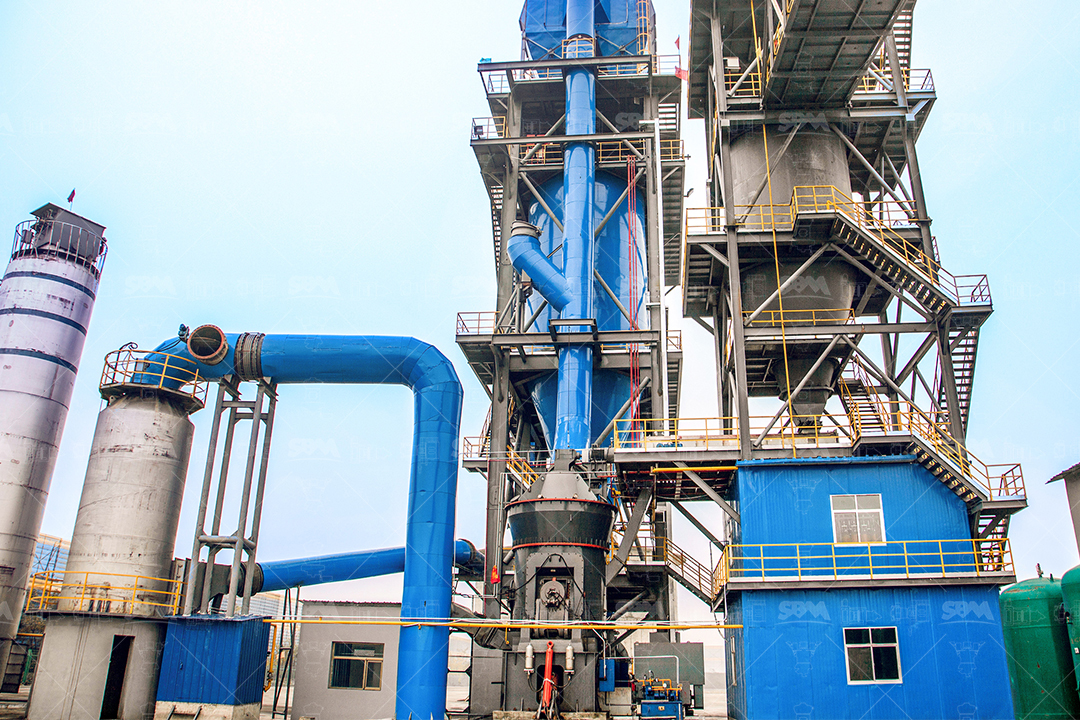
Understanding Steel Slag and Its Processing Challenges
Steel slag is a hard, abrasive material that contains metal impurities, requiring robust grinding equipment. Its composition varies, but typically includes calcium silicates, iron oxides, and other compounds. The main goal in steel slag processing is to recover iron and produce fine powder for use as a cementitious material or aggregate. However, challenges include high wear on machinery, energy consumption, and the need for precise fineness control. Traditional mills often struggle with these issues, leading to high maintenance costs and low output. Therefore, the ideal grinding mill must offer durability, efficiency, and the ability to handle abrasive materials while maintaining environmental standards.
Key Considerations for Choosing a Steel Slag Grinding Mill
When selecting a grinding mill for steel slag, consider input size, output fineness, capacity, energy efficiency, wear resistance, and automation. Steel slag typically has an input size of up to 50mm, and desired output may range from 30 to 400 mesh for cement applications, or finer for specialty uses. High capacity is often needed to handle large volumes. Additionally, the mill should have low operating costs, minimal downtime, and dust control features. SBM Machinery's grinding equipment is designed to meet these demands, with advanced technologies that address common pain points such as rapid wear, high energy consumption, and environmental compliance.
SBM's Grinding Mill Solutions for Steel Slag
MTW European Trapezium Grinding Mill
The MTW Series European Trapezium Mill is a proven solution for steel slag grinding. It is developed based on extensive research and customer feedback, integrating international advanced technologies. With an input size of 0-50mm and output size of 30-400 mesh, it offers capacities from 3 to 40tph, suitable for medium-scale operations. Key features include a unique wear-proof perching knife design that reduces maintenance costs, an arc air duct that minimizes energy loss, cone gear whole transmission for higher efficiency, and a volute design for improved airflow. These advantages make it ideal for processing steel slag into powder for cement and construction materials. The mill's robust construction ensures long service life even with abrasive slag, addressing the common issue of frequent part replacement.
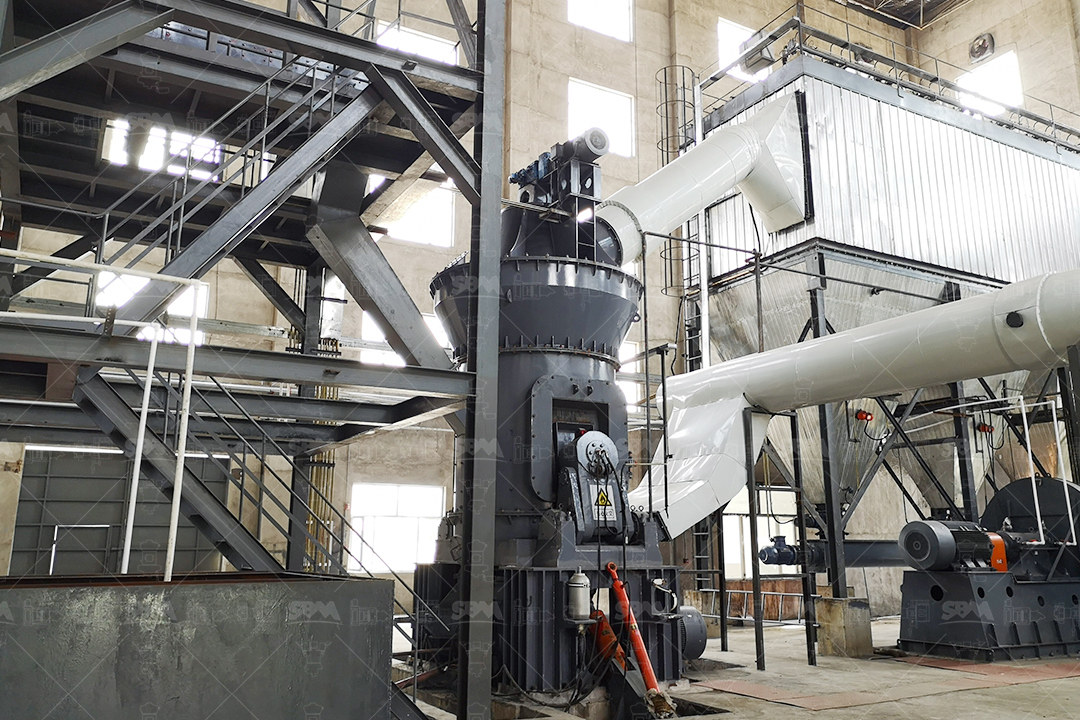
LM Vertical Roller Mill
For large-scale steel slag processing, the LM Vertical Roller Mill is an excellent choice. It is a new type of pulverizing equipment featuring drying, grinding, and powder selection in one unit. With input size up to 50mm, output of 30-400 mesh, and capacities from 3 to 400tph, it can handle high volumes efficiently. The LM mill boasts low comprehensive investment, as it occupies about 50% less floor space than ball mill systems and can be arranged outdoors. Operating costs are reduced due to less wear on the roller and grinding plate, and energy consumption is 30-40% lower than ball mills. The automatic control system enables easy operation and labor savings, while the sealed negative pressure operation ensures dust-free, environmentally friendly performance. This mill is particularly effective for steel slag micro-powder production, a common requirement in the industry.
SCM Ultrafine Mill
When ultrafine steel slag powder is needed, the SCM Series Ultrafine Grinding Mill delivers exceptional performance. It can adjust fineness from 325 to 2500 meshes, with a disposable fineness reaching D97≤5μm. Input size is 0-20mm, and capacity ranges from 0.5 to 25tph. The SCM mill features high output and low energy consumption, with capacity more than twice that of jet mills and energy consumption lower by 30%. Its efficient vertical turbine powder classifier ensures precise cut sizes and no coarse powder spillover. The heavy rotor design and special materials for roller and ring enhance durability, reducing wear—a critical factor for abrasive steel slag. Additionally, the environmental protection measures, including efficient dust collection and noise reduction, meet stringent standards. This mill is ideal for producing high-value ultrafine powders from steel slag for specialized applications.
LUM Ultrafine Vertical Mill
The LUM Ultrafine Vertical Mill is another advanced option for ultrafine steel slag grinding. It integrates grinding, separation, and transportation, with input size 0-20mm, output 325-4000 mesh, and capacity 10-70tph. Designed with Taiwan's grinding roller technology and Germany's powder separating technology, it excels in efficiency and finished product quality. The unique grinding curves of the roller shell and lining plate facilitate material bed formation, improving grinding efficiency. The multi-rotor powder classifier allows custom fineness with no low-grade material. The intelligent control system ensures stable operation and easy adjustments. Like other SBM mills, it is environmentally friendly with low noise and dust emissions. This mill is suitable for medium to high-end processing of steel slag into ultrafine powders for industries like plastics, PVC, and non-wovens.
Ball Mill
Ball mills have long been used in various industries, including steel slag processing. SBM's ball mills are optimized with improved structure design and new materials to reduce spare part costs and energy consumption. They come in various types, such as dry ball mill for common powder and wet ball mill for mineral dressing. With input size 0-25mm, output 0.2-0.074mm, and capacity 3-65tph, they are reliable for coarse to fine grinding. However, compared to vertical mills, ball mills may have higher energy consumption and wear. They are best suited for operations where a traditional approach is preferred or for specific stages in the processing line. SBM's enhancements address common complaints about metal ball wear and high energy use, making them a viable option in certain scenarios.
Comparing the Options: Which Mill is Best?
The best grinding mill for steel slag depends on your specific requirements. For medium-scale operations with moderate fineness needs, the MTW European Trapezium Mill offers a balance of efficiency and cost-effectiveness. For large-scale, high-capacity processing, the LM Vertical Roller Mill is superior due to its low operating costs and high throughput. When ultrafine powder is the target, the SCM Ultrafine Mill or LUM Ultrafine Vertical Mill are ideal, with the LUM providing higher capacity. Ball mills remain a fallback for traditional setups but may not be optimal for energy-sensitive projects. Overall, SBM's vertical mills are generally recommended for steel slag because of their energy efficiency, wear resistance, and environmental benefits. It's essential to consult with SBM's experts to tailor a solution based on your material characteristics and production goals.
Addressing Common Customer Pain Points
Customers often face issues such as rapid wear of grinding parts, high energy bills, dust emissions, and complex operation. SBM's mills are engineered to mitigate these. For wear, designs like the combined-type shovel blade in MTW and special materials in SCM reduce replacement frequency. Energy efficiency is achieved through optimized transmission and grinding principles, with LM mills cutting energy use by 30-40% compared to ball mills. Environmental compliance is ensured with sealed systems and dust collectors. Automation features in LM and LUM mills simplify operations and reduce labor costs. By choosing SBM, you benefit from over 180 countries' worth of experience and a commitment to total solutions.
Conclusion
In summary, SBM Machinery provides a range of grinding mills suitable for steel slag processing, each with unique advantages. The MTW European Trapezium Mill and LM Vertical Roller Mill are excellent for general and large-scale grinding, while SCM and LUM mills cater to ultrafine needs. Ball mills are available for traditional applications. By considering your capacity, fineness, and budget, you can select the optimal mill. SBM's global expertise and advanced technology ensure you achieve efficient, cost-effective, and environmentally friendly steel slag processing. For personalized advice, contact SBM Machinery today.
Frequently Asked Questions (FAQs)
1. What is the most common pain point in steel slag grinding, and how does SBM address it?
The most common pain point is high wear on grinding parts due to steel slag's abrasiveness. SBM addresses this with wear-resistant materials and designs like the combined-type shovel blade in the MTW mill and special roller/ring materials in the SCM mill, significantly extending service life and reducing maintenance costs.
2. Can SBM's mills handle steel slag with high moisture content?
Yes, many SBM mills, such as the LM Vertical Roller Mill, have drying functions integrated. They can process steel slag with moderate moisture by utilizing hot gas to dry the material during grinding, ensuring smooth operation and quality output.
3. How do SBM's grinding mills ensure environmental compliance?
SBM's mills are designed with sealed systems operating under negative pressure, preventing dust spillover. They are equipped with efficient dust collectors (e.g., pulse dust collectors in SCM mills) and noise reduction features, meeting national and international environmental standards.
4. What capacity can SBM's mills achieve for steel slag processing?
Capacities vary by model: MTW mills offer 3-40tph, LM mills 3-400tph, SCM mills 0.5-25tph, LUM mills 10-70tph, and ball mills 3-65tph. For large-scale operations, LM mills are recommended for their high throughput.
5. Is it possible to produce ultrafine steel slag powder with SBM equipment?
Absolutely. SBM's SCM Ultrafine Mill and LUM Ultrafine Vertical Mill are specifically designed for ultrafine grinding, achieving fineness up to 2500 mesh or D97≤5μm, suitable for high-value applications.


