

What do you know about ultra-fine mill?
Published: March 18, 2025
An ultra-fine mill is a specialized grinding machine designed to pulverize materials into extremely fine powders, typically in the range of 325 to 4000 mesh, with some advanced models achieving a one-time finished product fineness of D97 ≤ 5μm. Unlike traditional Raymond mills or ball mills, ultra-fine mills integrate advanced classification, grinding, and transportation technologies to deliver higher output, lower energy consumption, and superior particle size control. They are widely used in non-metallic minerals, chemicals, building materials, mining, and new energy sectors, processing materials such as calcite, marble, limestone, talc, dolomite, barite, kaolin, wollastonite, gypsum, feldspar, and petroleum coke. As global demand for finer powders grows, ultra-fine mills have become indispensable for industries requiring precise particle size distribution and high purity. This article explores the types, technical advantages, applications, and common challenges of ultra-fine mills, drawing on decades of expertise from a leading grinding equipment manufacturer serving over 180 countries.
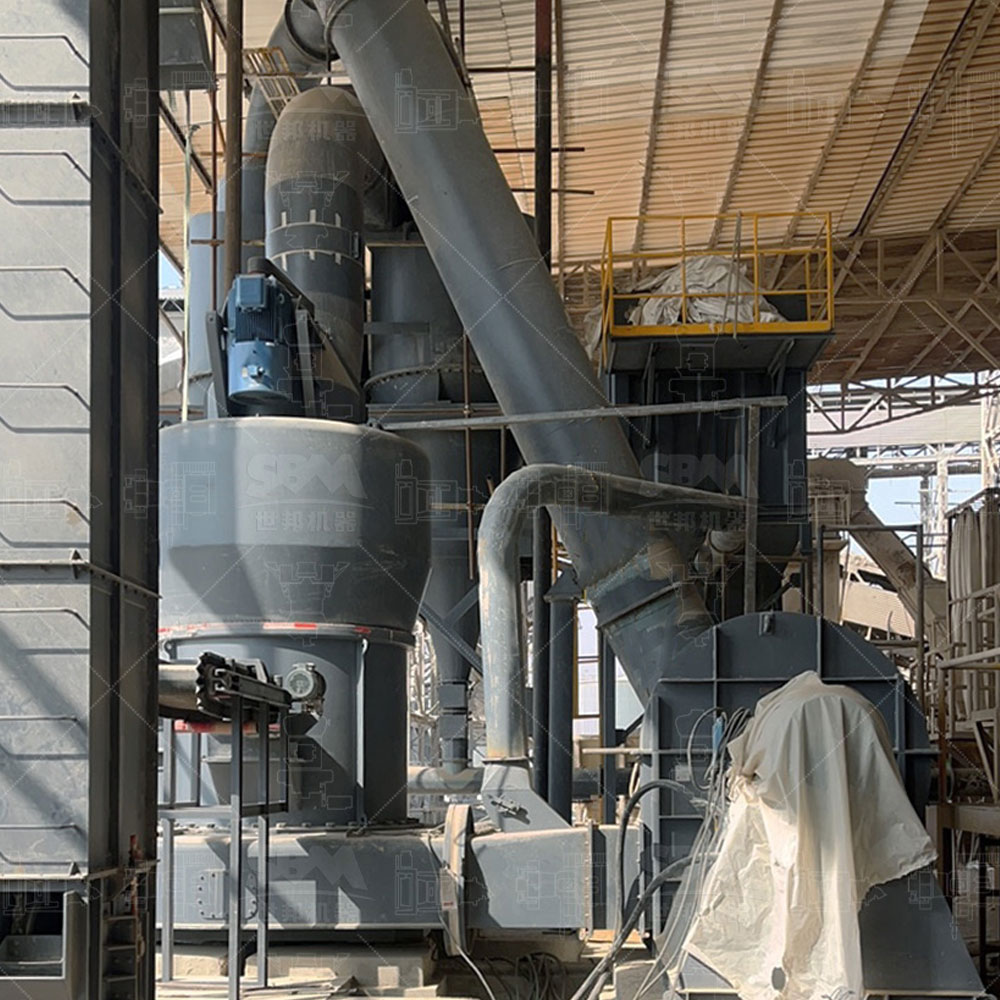
What Makes an Ultra-Fine Mill Different from Traditional Grinding Mills?
Traditional grinding mills, such as Raymond mills and ball mills, have long served the industry, but they face inherent limitations when ultra-fine powders are required. Raymond mills typically struggle to produce powders finer than 400 mesh, while ball mills are energy-intensive and often contaminate the product with metal wear. Ultra-fine mills, by contrast, are engineered specifically for fine and ultra-fine grinding. They employ advanced classification systems, such as efficient vertical turbine powder classifiers or multi-rotor classifiers, to ensure that only particles of the desired size leave the grinding chamber. This results in a sharp cut point, minimal coarse powder spillover, and a consistent product quality.
Moreover, ultra-fine mills often integrate multiple functions—grinding, drying, powder separation, and transportation—into a single compact unit. This integration reduces floor space, simplifies the process flow, and lowers investment costs. For example, a vertical roller mill used for ultra-fine grinding can occupy about 50% of the floor space of a ball-milling system while achieving 30% to 40% lower energy consumption. The combination of mechanical optimization and intelligent control makes ultra-fine mills a superior choice for modern powder processing.
Types of Ultra-Fine Mills and Their Technical Advantages
Ultra-fine mills come in several configurations, each suited to specific materials, capacities, and fineness requirements. The most common types include the SCM series ultrafine grinding mill and the LUM ultrafine vertical mill. Both are designed to meet the growing demand for finer powders, but they differ in their mechanisms and optimal applications.
SCM Series Ultrafine Grinding Mill
The SCM series ultrafine grinding mill is a result of extensive research and development, designed to overcome the limitations of general Raymond mills. It can adjust powder fineness within a range from 325 to 2500 meshes, with a disposable fineness reaching D97 ≤ 5μm. This mill is particularly praised for its high output and low energy consumption—its capacity is more than twice that of jet mills while consuming 30% less energy. The efficient vertical turbine powder classifier ensures accurate cutting size and prevents coarse powder from escaping. The heavy rotor design and special materials for the roller and ring extend durability several times over. Additionally, the grinding chamber has no bearing screw, allowing stable operation free of vibration after balance treatment. Environmental protection is also a priority, with an efficient double powder collecting method combining powder collectors and pulse dust collectors, far exceeding international standards. An optimized sound insulation room and muffler further reduce noise.
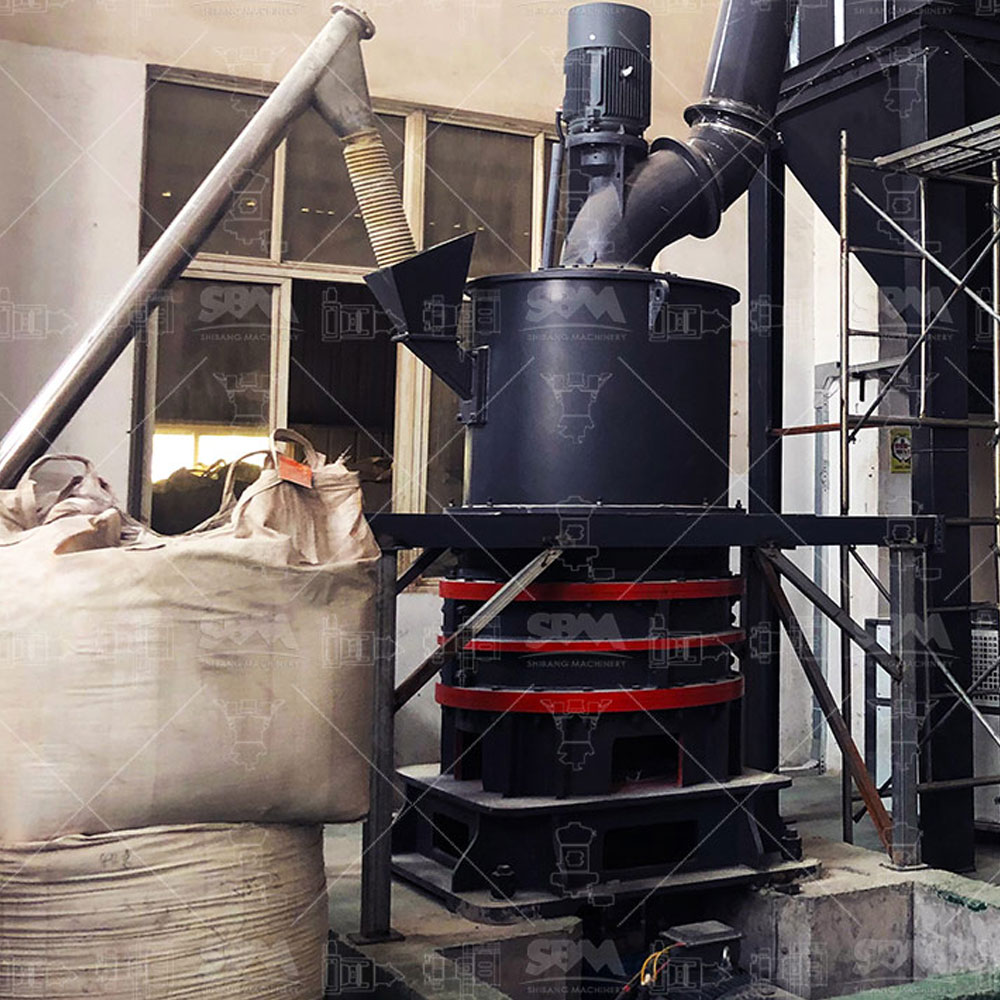
LUM Ultrafine Vertical Mill
The LUM ultrafine vertical mill is a newer generation of equipment that integrates powder grinding, separation, and transportation. It is designed for medium and high-end processing in industries such as plastic master batch, PVC, artificial stone, electric cable, and non-woven fabrics. The mill is mainly used for ultrafine grinding of calcite, marble, limestone, talc, dolomite, barite, kaolin, wollastonite, gypsum, feldspar, and pyrophyllite. Its input size is 0-20mm, output size 325-4000 mesh, and capacity 10-70tph.
The LUM mill features uniquely designed grinding curves for the roller shell and lining plate, based on ultrafine pulverization principles. This design makes it easier to form a material bed, improving grinding efficiency and increasing the proportion of finished products from the primary grinding. The advanced separation technology uses a multi-rotor powder classifier, allowing customized finished product fineness with no low-grade material. A PLC/DCS automatic control system ensures accurate control of grinding pressure, high efficiency, and stable operation. The frequency-conversion speed regulation enables the mill to handle various materials. Environmentally, the LUM mill is well sealed and operates under negative pressure, preventing dust spillover and meeting national environmental protection requirements.
Key Applications Across Industries
Ultra-fine mills are versatile and serve a wide range of industries. In the building materials sector, they produce heavy calcium carbonate (GCC) for paints, plastics, and paper. In power generation, they prepare limestone powder for environmental desulfurization. The mining and metallurgy industries use them for grinding non-metallic minerals and slag micro-powder. The chemical industry relies on ultra-fine mills for processing petroleum coke, coal powder, and new energy materials. Additionally, they are essential in the production of high-quality fillers, coatings, and ceramics.
For example, in the non-metallic mineral processing sector, ultra-fine mills enable the production of wollastonite, barite, and kaolin powders with controlled particle size distributions, which are critical for end-product performance. In the new energy field, ultra-fine mills are used to prepare materials for lithium batteries and other advanced applications. The ability to adjust fineness from 325 to 4000 mesh makes these mills adaptable to virtually any powder requirement.
Common Pain Points and How Ultra-Fine Mills Address Them
Customers in the powder processing industry frequently encounter several challenges. One major pain point is the high energy consumption of traditional grinding equipment. Ball mills, for instance, are notorious for their low energy efficiency. Ultra-fine mills, however, are designed to be energy-efficient. The SCM series, for example, consumes 30% less energy than jet mills while delivering more than twice the capacity. The LUM vertical mill achieves 30-40% lower energy consumption compared to ball-milling systems.
Another common issue is the wear of spare parts, which leads to frequent maintenance and high operating costs. Ultra-fine mills address this through innovative designs. The SCM mill uses a combined-type shovel blade that reduces the cost of wearing parts—only the blade needs replacement during maintenance. The curved shovel blades change the feeding angle and prolong the service life of the roller and ring. The LUM mill uses high-quality materials for the roller and grinding plate, and the roller does not contact the grinding plate directly, resulting in less wear and longer service life.
Dust pollution and noise are also significant concerns for many operations. Ultra-fine mills are engineered with environmental protection in mind. The SCM mill uses an efficient double powder collecting method with pulse dust collectors, and the LUM mill operates under negative pressure with a fully sealed system. Both achieve dust emission levels that meet or exceed national standards. Noise is minimized through optimized sound insulation and low-vibration operation.
Finally, many customers struggle with inconsistent product fineness and difficulty in adjusting the output. Ultra-fine mills feature advanced classification and automatic control systems. The SCM mill uses frequency-conversion control for convenient adjustment, with a one-time finished product D97 ≤ 5μm. The LUM mill employs a multi-rotor classifier and PLC control, allowing precise customization of fineness and stable operation. These features ensure that the final product meets strict quality specifications.
Frequently Asked Questions (FAQ)
1. What is the maximum fineness I can achieve with an ultra-fine mill?
Depending on the model, ultra-fine mills can achieve fineness ranging from 325 mesh up to 4000 mesh. For instance, the SCM series can produce powders with a one-time finished product fineness of D97 ≤ 5μm, and some models can reach 2500 mesh. The LUM ultrafine vertical mill also offers output sizes from 325 to 4000 mesh. The exact fineness depends on the material characteristics and the settings of the classifier.
2. How do ultra-fine mills handle materials with high moisture content?
Many ultra-fine mills, particularly vertical roller mills, integrate a drying function. They can process materials with moderate moisture content by using hot gas to dry the material during grinding. However, extremely high moisture may require pre-drying. It is always recommended to consult the manufacturer for specific guidelines based on your material.
3. What is the typical maintenance requirement for an ultra-fine mill?
Ultra-fine mills are designed for low maintenance. The SCM series features a combined-type shovel blade where only the blade needs replacement, reducing downtime. The LUM mill uses wear-resistant materials for the roller and lining plate, extending service life. Regular inspection of the grinding elements, classifier, and lubrication system is recommended, but overall maintenance is less frequent compared to ball mills.
4. Can an ultra-fine mill process both soft and hard materials?
Yes, ultra-fine mills are versatile and can process a wide range of materials with different hardness levels. However, the capacity and wear rate may vary. For harder materials, it is advisable to use mills with enhanced wear-resistant components, such as those with special alloy rollers and rings. The LUM mill, for example, is suitable for materials like calcite, marble, and barite, which have varying hardness.
5. How does an ultra-fine mill compare to a ball mill in terms of operating cost?
Ultra-fine mills generally have lower operating costs than ball mills. They consume 30-40% less energy and have fewer wearing parts. The integrated design also reduces the need for additional equipment like classifiers and conveyors, lowering the overall investment. Additionally, the automatic control systems reduce labor costs. While the initial investment may be higher, the total cost of ownership is often more favorable for ultra-fine mills.
In conclusion, ultra-fine mills represent a significant advancement in powder processing technology. They offer high fineness, low energy consumption, environmental compliance, and reliable operation. By understanding the different types and their advantages, customers can select the right mill for their specific needs. With over 180 countries served and a reputation for quality, SBM Machinery continues to lead the way in providing total solutions for grinding equipment.


