

Working process of grinding carbon with raymond mill
Published: 2024-06-14
Grinding carbon materials into fine powders is a critical operation across industries such as metallurgy, chemicals, energy, and advanced materials manufacturing. The working process of grinding carbon with a Raymond mill involves a series of interconnected stages—from raw material feeding and pulverizing to classification, powder collection, and finished product discharge. Modern Raymond mills, particularly the European trapezium mill design, have evolved significantly from traditional models to deliver higher efficiency, lower energy consumption, and more reliable performance. This article walks through the complete grinding process, highlights key equipment features that address common operational challenges, and answers frequently asked questions from customers who process carbon-based materials such as petroleum coke, coal, carbon black, and graphite.
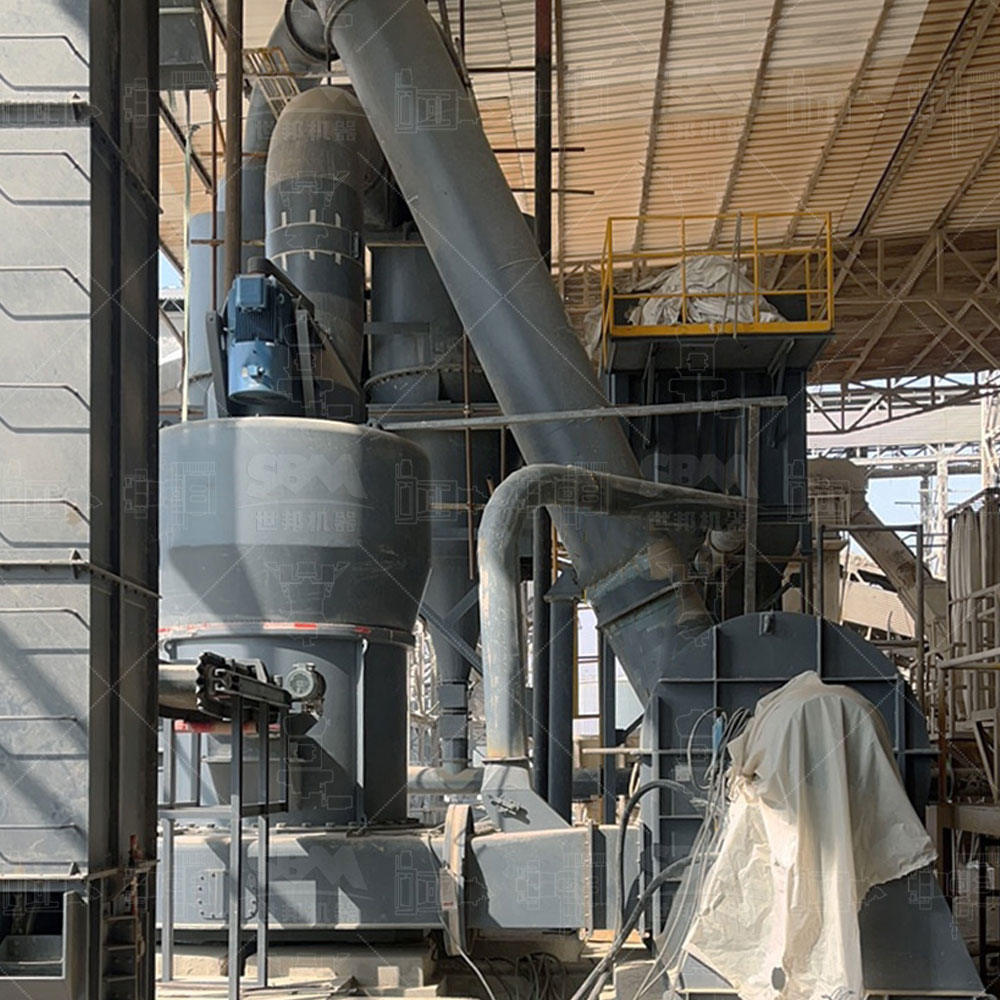
Understanding Carbon Grinding Requirements
Carbon materials come in various forms—petroleum coke, coal, carbon black, graphite, and activated carbon—each with different hardness, moisture content, and fineness requirements. The goal of grinding is typically to produce a powder with a specific particle size distribution, often ranging from 30 to 400 mesh for many carbon applications, while some advanced applications may require ultrafine powders down to 5 microns or finer. The Raymond mill, especially the European trapezium mill (MTW Series), is well-suited for this task because it combines grinding, classification, and transportation in a closed-loop system that minimizes dust and maximizes output.
Step-by-Step Working Process
1. Raw Material Preparation and Feeding
The process begins with the raw carbon material being crushed to a feed size of 0–50 mm. A vibrating feeder or belt conveyor then transports the material into the mill's feed hopper. Proper feed control is essential to avoid overloading the mill and to maintain a consistent grinding pressure. For materials with high moisture content, pre-drying may be required, although some modern mills can handle moderate moisture through integrated drying functions.
2. Grinding and Pulverizing
Inside the Raymond mill, the material is ground between the grinding roller and the grinding ring. In the MTW European trapezium mill, the roller and ring are designed with a unique wear-proof perching knife system. The combined-type shovel blade lifts the material into the grinding zone, where it is crushed and pulverized by the rotating rollers. The curved shovel blades change the feeding angle, which extends the service life of the roller and ring and reduces operating costs. The mill's cone gear whole transmission ensures high transmission efficiency and lower investment costs compared to traditional belt-driven systems.
3. Air Classification and Powder Selection
After grinding, the fine powder is carried upward by an airflow generated by the mill's fan. The arc air duct design—a circular duct that avoids air energy loss—ensures efficient transportation of the material to the classifier. The classifier, often a vertical turbine or multi-rotor type, separates the fine powder from the coarse particles. The coarse particles fall back into the grinding chamber for further grinding, while the fine powder that meets the fineness requirement passes through to the next stage. The volute design further improves the efficiency of wind-driven transmission and reduces maintenance costs.
4. Powder Collection and Discharge
The classified fine powder enters a pulse dust collector or cyclone collector, where it is separated from the air. The collected powder is then discharged through a discharge valve as the finished product. The entire system operates under negative pressure, which prevents dust from escaping into the environment. The efficient double powder collecting method of powder collectors and pulse dust collectors achieves a dust collection effect that far exceeds international standards.
5. System Control and Monitoring
Modern Raymond mills are equipped with automatic control systems, including PLC or DCS controls. These systems allow for precise adjustment of grinding pressure, classifier speed, and airflow, enabling remote and local control. The intelligent control system saves labor costs and ensures stable operation. Frequency-conversion speed regulation allows the mill to be adapted to different carbon materials without mechanical changes.
Key Equipment Features for Carbon Grinding
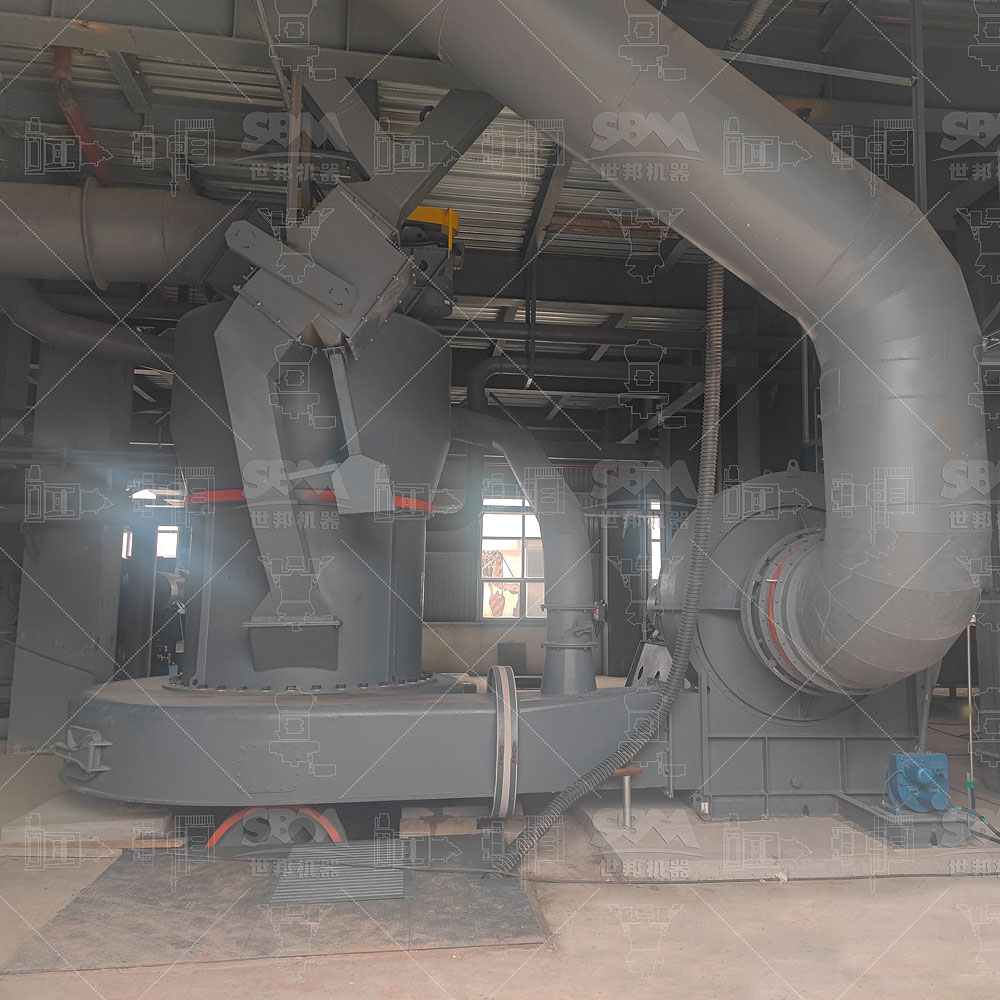
When processing carbon materials, several equipment features are particularly important. The wear-proof perching knife design reduces the cost of wearing parts, as only the blade needs to be replaced during maintenance. The arc air duct design avoids air energy loss and ensures transportation efficiency. The cone gear whole transmission achieves higher transmission efficiency and saves space. The volute design improves wind-driven transmission efficiency and reduces material maintenance costs. For ultrafine carbon powders, the SCM series ultrafine grinding mill can adjust fineness from 325 to 2500 mesh and achieve one-time finished products with D97 ≤ 5 μm. The LUM ultrafine vertical mill is another option for medium and high-end processing, offering high efficiency and high-quality finished products.
Common Challenges and How the Process Addresses Them
Many customers face issues such as low output, high energy consumption, excessive wear of grinding parts, and dust leakage. The European trapezium mill addresses these through optimized grinding curves, high-strength guard plates, and a sealed negative-pressure system. The vertical roller mill, for example, has a small comprehensive investment and low operating costs, with energy consumption 30%–40% lower than ball-milling systems. The automatic control system ensures stable operation and easy maintenance. For carbon materials that are abrasive, the use of special materials for roller and ring, such as in the SCM ultrafine mill, can increase durability several times over. The grinding chamber has no bearing screw, which allows stable operation free of vibration after balance treatment.
Applications of Carbon Powder
The carbon powder produced by Raymond mills is used in various applications. In the metallurgy industry, it is used as a reducing agent and fuel. In the chemical industry, it serves as a raw material for carbon products. In the energy sector, coal powder is prepared for combustion in power plants. Petroleum coke grinding is essential for aluminum production and other metallurgical processes. Carbon black is used in rubber and tire manufacturing. Graphite powder is used in lubricants, batteries, and refractories. The ability to adjust fineness and capacity makes the Raymond mill a versatile solution for these diverse applications.
Environmental and Safety Considerations
Carbon dust can be explosive and harmful to health if not properly contained. Modern Raymond mills are designed with environmental protection in mind. The whole system is sealed and operates under negative pressure, preventing dust spillover. The efficient double powder collecting method ensures that emissions meet national standards. The optimized sound insulation room and muffler effectively prevent the spread of equipment noise. For explosive carbon dust, additional safety measures such as explosion venting and inert gas injection may be required, but the basic mill design already minimizes risk through its closed-loop operation.
Conclusion
The working process of grinding carbon with a Raymond mill is a well-established and continuously improving technology. From feeding and grinding to classification and collection, each stage is designed to maximize efficiency, minimize wear, and protect the environment. With advanced features like the wear-proof perching knife, arc air duct, and cone gear transmission, modern Raymond mills such as the MTW European trapezium mill provide reliable performance for carbon processing. Whether you are grinding petroleum coke, coal, carbon black, or graphite, understanding the process helps you optimize your operation and address common pain points such as low output, high energy consumption, and dust control.
Frequently Asked Questions
1. What is the maximum feed size for grinding carbon with a Raymond mill?
For most Raymond mills, including the MTW European trapezium mill, the maximum feed size is 0–50 mm. However, for ultrafine mills like the SCM series, the feed size is typically 0–20 mm. It is important to crush the raw material to the recommended size before feeding to avoid damage to the grinding parts and to ensure stable operation.
2. Can a Raymond mill handle high-moisture carbon materials?
Traditional Raymond mills may struggle with high-moisture materials because the moisture can cause clogging and reduce grinding efficiency. However, modern mills with integrated drying functions, such as the vertical roller mill, can handle moderate moisture levels. For materials with very high moisture, pre-drying is recommended. The negative-pressure system and heated air can help evaporate moisture during grinding.
3. How do I control the fineness of the carbon powder?
Fineness is controlled by adjusting the classifier speed and the airflow. In mills with frequency-conversion control, you can easily change the classifier speed to achieve the desired particle size. The SCM ultrafine mill can adjust fineness from 325 to 2500 mesh, and the LUM ultrafine vertical mill can achieve 325–4000 mesh. For standard Raymond mills, the output size typically ranges from 30 to 400 mesh.
4. What maintenance is required to keep the mill running efficiently?
Regular maintenance includes checking the wear of the grinding roller and ring, the shovel blade, and the classifier blades. The combined-type shovel blade design allows only the blade to be replaced, reducing maintenance costs. The inner oil absorption lubrication system requires periodic oil changes. The arc air duct and volute should be inspected for wear. The automatic control system should be calibrated regularly. Following the manufacturer's maintenance schedule is key to long service life.
5. Why is my carbon grinding mill producing less than expected?
Low output can be caused by several factors: improper feed size, excessive moisture, worn grinding parts, incorrect classifier setting, or insufficient airflow. Check that the feed size is within the recommended range (0–50 mm for standard mills). Ensure the material is dry enough. Inspect the roller and ring for wear and replace if necessary. Adjust the classifier speed to avoid over-grinding. Verify that the fan and air duct are not blocked. If the problem persists, contact the manufacturer for a system assessment.
For more information on selecting the right Raymond mill for your carbon grinding application, consult a professional grinding equipment supplier with experience in mineral processing.


