

Expanding application areas of fiberglass vertical roller mill
Published on: May 20, 2025
Fiberglass vertical roller mills have evolved from niche grinding units into versatile processing systems that serve a wide spectrum of industries. As a total solution provider for grinding equipment, SBM Machinery has witnessed this transformation firsthand across more than 180 countries and regions. Our vertical roller mill technology, including the LM series, LUM ultrafine vertical mill, and MTW European trapezium mill, has been adapted to process fiberglass-reinforced materials, mineral fillers, and composite powders with ever-increasing efficiency. This article explores how fiberglass vertical roller mills are expanding into new application areas, what technical advantages drive this growth, and how customers can address common operational challenges. We will also answer five frequently asked questions at the end.
From Traditional Minerals to Advanced Composites
Historically, vertical roller mills were predominantly used for grinding cement raw materials, coal, and slag. However, the unique properties of fiberglass—lightweight, high strength, and corrosion resistance—have opened new doors. Fiberglass is increasingly used as a reinforcing material in plastics, construction, automotive, and wind energy. To incorporate fiberglass into these products, it must be ground into fine powders or combined with mineral fillers such as calcium carbonate, talc, or silica. The vertical roller mill’s ability to handle abrasive and fibrous materials with low energy consumption makes it an ideal choice.
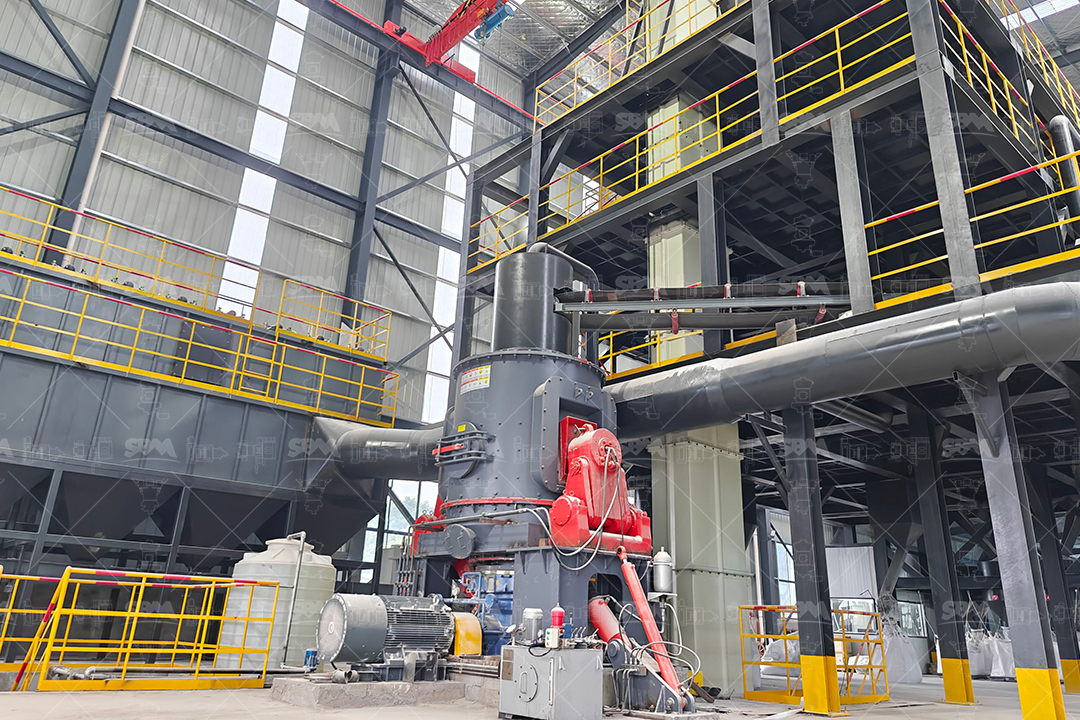
SBM’s LM series vertical roller mill, with a capacity range of 3–400 tph and output fineness of 30–400 mesh, has been successfully applied in fiberglass-reinforced cement, fiberglass composite fillers, and fiberglass waste recycling. The mill’s integrated drying, grinding, and classification functions reduce system complexity and floor space by about 50% compared to ball mills. This is particularly important for fiberglass processors who often operate in space-constrained facilities.
Key Technical Advantages Driving Expansion
The expansion into fiberglass applications is not accidental. It is supported by specific technical features that address the unique challenges of fiberglass grinding. First, the LM vertical roller mill uses a direct grinding principle where rollers grind material on a rotating plate. This results in 30–40% lower energy consumption than ball-milling systems. For fiberglass, which can be tough and abrasive, this translates to significant operational savings.
Second, the automatic control system with remote and local switching ensures consistent product quality. Fiberglass powders often require tight particle size distribution. The LM mill’s expert control system maintains stable grinding pressure and classifier speed, minimizing variability. Third, the sealed negative-pressure operation prevents dust spillover, meeting strict environmental standards. Fiberglass dust can be hazardous, so this feature is critical for worker safety and regulatory compliance.
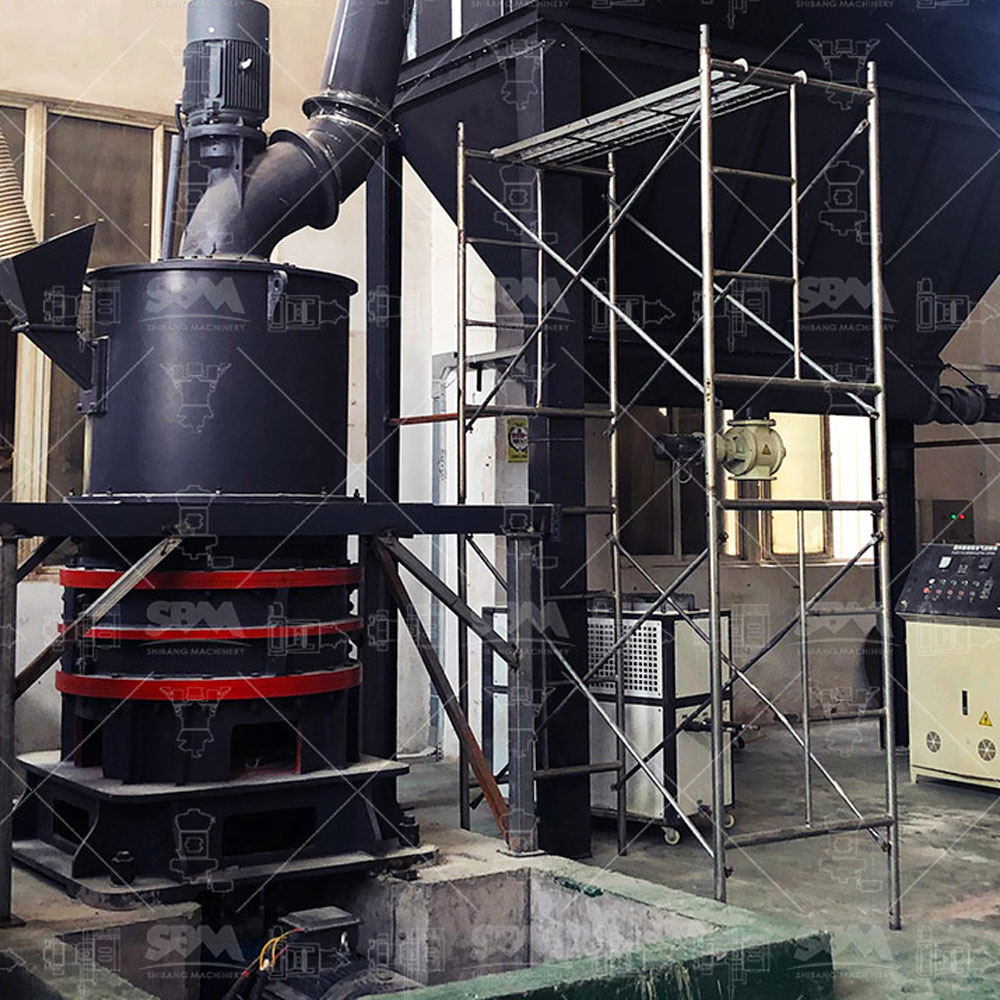
For ultrafine fiberglass applications, the LUM ultrafine vertical mill offers output fineness from 325 to 4000 mesh with capacities of 10–70 tph. It integrates Taiwan’s grinding roller technology and Germany’s powder separating technology. This mill is particularly suited for producing fiberglass-filled masterbatch, artificial stone, and non-woven fabric coatings. The multi-rotor classifier ensures no coarse powder bypass, achieving precise cut sizes.
New Application Areas for Fiberglass Vertical Roller Mills
1. Fiberglass-reinforced concrete and mortar: Ground fiberglass can replace traditional steel reinforcement in concrete, reducing weight and improving corrosion resistance. Vertical roller mills produce the required short fibers and fine powders with minimal damage to fiber length.
2. Polymer composites and masterbatch: In plastic masterbatch, fiberglass powder acts as a reinforcing filler. The LUM ultrafine vertical mill delivers uniform dispersion and high loading ratios. The PLC control system allows precise adjustment of grinding pressure and classifier speed, ensuring consistent quality.
3. Wind turbine blade manufacturing: Fiberglass composites are essential for wind blades. Grinding recycled fiberglass waste into fine powder for reuse reduces landfill and raw material costs. SBM’s vertical roller mills handle this recycled material efficiently, with low wear rates due to high-quality roller and plate materials.
4. Electrical insulation and cable compounds: Fiberglass powder improves thermal and electrical insulation properties. The LUM mill’s frequency-conversion speed regulation enables processing of different fiberglass grades without equipment modification.
5. Non-woven fabrics and geotextiles: Ultrafine fiberglass powder is used as a functional filler. The SCM ultrafine mill, with output up to 2500 mesh and D97 ≤ 5 μm, provides the required fineness. Its double powder collection system (powder collector and pulse dust collector) achieves excellent dust control.
6. Environmental desulfurization with fiberglass filters: Fiberglass filter bags are common in desulfurization systems. Grinding fiberglass waste into powder for reuse in limestone powder preparation is a growing application. SBM’s MTW European trapezium mill, with its arc air duct and volute design, ensures efficient material transport and low energy loss.
Addressing Customer Pain Points
Despite the advantages, customers face several pain points when adopting fiberglass vertical roller mills. Understanding these helps in selecting the right equipment and operating it optimally.
Pain Point 1: Excessive wear on grinding parts. Fiberglass is abrasive. Traditional mills suffer rapid wear on rollers and rings. SBM’s solution: The LM vertical roller mill uses high-quality materials for rollers and plates, and the roller does not contact the plate directly. The MTW mill’s combined-type shovel blade allows replacement of only the blade, reducing maintenance costs. The LUM mill’s heavy rotor design and special material roller/ring provide durability several times higher than standard parts.
Pain Point 2: Energy consumption too high. Many customers report that ball mills consume too much power. SBM’s vertical roller mills reduce energy consumption by 30–40% compared to ball mills. The direct grinding action and efficient classifier reduce recirculation loads.
Pain Point 3: Dust and environmental compliance. Fiberglass dust is a health hazard and regulated. All SBM vertical mills operate under negative pressure with sealed systems. The LUM mill’s optimized sound insulation and muffler reduce noise, while the SCM mill’s double powder collecting method achieves dust collection far above international standards.
Pain Point 4: Inconsistent product fineness. Fiberglass applications often require precise particle size. The LUM mill’s multi-rotor classifier and PLC control system ensure no low-grade material exists. The SCM mill’s efficient vertical turbine powder classifier achieves accurate cutting size with no coarse powder spillover.
Pain Point 5: High investment and space requirements. Customers with limited space or budget struggle with traditional systems. The LM vertical roller mill integrates crushing, drying, grinding, powder separating, and transportation. Its compact layout takes about 50% of ball-mill system floor space. It can be arranged outdoors, reducing civil construction costs.
Case Example: Fiberglass Waste Recycling in Europe
A European customer processing fiberglass waste from wind blade production needed to produce 200 mesh powder for reuse in composite panels. They initially used a ball mill but faced high wear and energy costs. After installing an LM vertical roller mill with capacity of 15 tph, energy consumption dropped by 35%, and maintenance intervals extended from 2 weeks to 3 months. The automatic control system allowed remote operation, saving labor. The sealed system met EU dust emission standards. This case illustrates how vertical roller mills expand application areas by solving real operational problems.
Choosing the Right Mill for Fiberglass Applications
Not all fiberglass applications require the same fineness or capacity. For coarse grinding (30–80 mesh) of fiberglass-reinforced mortar, the MTW European trapezium mill with 3–40 tph is cost-effective. For fine grinding (200–400 mesh) in composites, the LM vertical roller mill with 3–400 tph offers high capacity. For ultrafine grinding (800–2500 mesh) in masterbatch or cable compounds, the LUM ultrafine vertical mill or SCM ultrafine mill is appropriate. SBM provides total solutions from individual units to complete grinding systems, with expertise across the mineral processing workflow.
Customers should consider material moisture, fiber length preservation, and downstream mixing requirements. SBM’s engineers work with clients to test samples and recommend the optimal configuration. The company’s experience with over 9500 customer proposals for the MTW mill alone ensures that solutions are field-proven.
Future Trends
The expansion of fiberglass vertical roller mills will continue as industries seek lightweight, strong, and sustainable materials. Recycling fiberglass waste into valuable powder is a major driver. Automation and digitalization will further reduce labor costs. SBM’s automatic control systems already enable free switching between remote and local control. Future mills will integrate AI for predictive maintenance and real-time optimization. Energy efficiency and environmental protection will remain top priorities, and vertical roller mills are well-positioned to meet these demands.
Frequently Asked Questions (FAQ)
Q1: Can a vertical roller mill handle fiberglass with high moisture content?
Yes. The LM vertical roller mill features a drying function integrated with grinding. Hot air can be introduced to dry material with moisture up to 15% depending on the material. The mill’s internal classification and transportation system handles the dried powder efficiently. For very high moisture, a pre-dryer may be recommended.
Q2: How do I prevent fiberglass dust from escaping the system?
All SBM vertical roller mills operate under negative pressure with fully sealed systems. The LUM mill uses a PLC control system to maintain stable negative pressure. The SCM mill employs a double powder collecting method (powder collector and pulse dust collector). Regular maintenance of seals and dust collectors ensures compliance. The emission meets national and international standards.
Q3: What is the typical wear life of grinding rollers when processing fiberglass?
Wear life depends on fiberglass content and abrasiveness. With SBM’s high-quality rollers and plates, and the non-contact design in the LM mill, wear life can range from 6 to 12 months for moderate abrasion. The LUM mill’s heavy rotor design and special materials extend durability several times higher than standard parts. Regular inspection and use of original spare parts maximize life.
Q4: Can I adjust the final fineness without stopping the mill?
Yes. The LUM ultrafine vertical mill uses frequency-conversion speed regulation for the classifier, allowing fineness adjustment during operation. The LM mill’s classifier speed can also be adjusted via the automatic control system. The SCM mill’s frequency-conversion control enables convenient adjustment. This flexibility is essential for processing different fiberglass grades.
Q5: What capacity range is available for fiberglass grinding?
SBM offers a wide range. The MTW European trapezium mill: 3–40 tph. The LM vertical roller mill: 3–400 tph. The LUM ultrafine vertical mill: 10–70 tph. The SCM ultrafine mill: 0.5–25 tph. The ball mill: 3–65 tph. For fiberglass applications, capacities from 5 tph to 100 tph are common. SBM engineers can recommend the optimal model based on your specific production targets and fineness requirements.


