

Operation, maintenance and management practice of raymond mill and vertical mill
Published: October 26, 2023
In the vast landscape of industrial powder processing, the dichotomy between traditional Raymond mills and modern vertical roller mills represents a critical decision point for plant managers and operators. Drawing upon the extensive expertise of Shanghai SBM Machinery Equipment Co., Ltd., a total solution provider operating in over 180 countries, this article delves into the operational nuances, maintenance protocols, and management strategies essential for optimizing these two distinct technologies. While the Raymond mill, specifically the MTW European Trapezium Mill, remains a staple for its robust simplicity and cost-effective processing of materials like limestone and calcite, the vertical mill (LM and LUM series) has emerged as the powerhouse for high-capacity, energy-efficient grinding in cement, slag, and advanced non-metallic mineral sectors. Effective management requires a deep understanding of their mechanical differences—from the cone gear transmission in Raymond mills to the hydraulic roller-press systems in vertical mills—to ensure maximum uptime, product quality, and operational safety. This comprehensive guide explores the practical aspects of running these machines, addressing everything from daily start-up checks to long-term wear part management, ensuring that operations remain profitable and environmentally compliant.
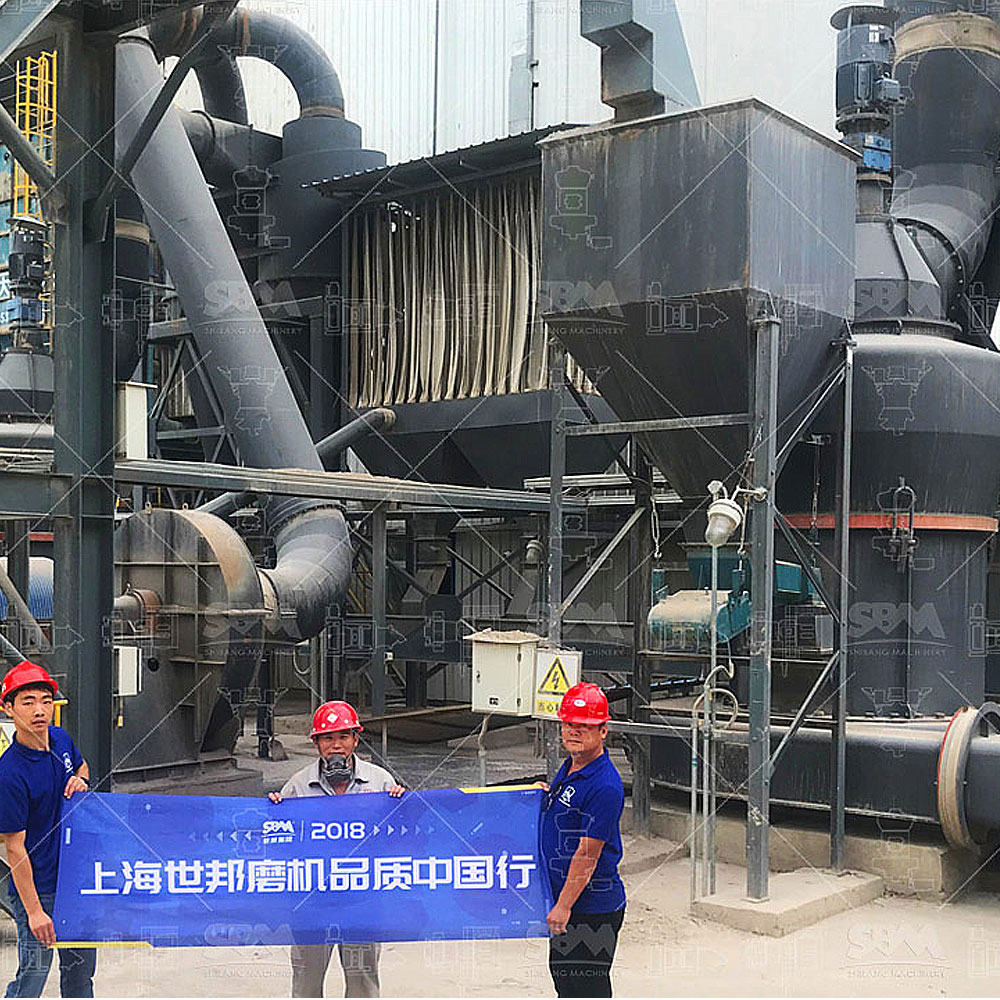
Operational Philosophy: Flexibility vs. Efficiency
When approaching the operation of a Raymond mill, such as the MTW series, operators must prioritize the mechanical integrity of the suspended roller assembly. The MTW mill is renowned for its unique wear-proof perching knife design and arc air duct. In practice, managing a Raymond mill involves a hands-on approach to the grinding circuit. The operational focus here is on the precise adjustment of the analyzer blade angle to control fineness. Unlike modern vertical mills, which rely heavily on digital automation, a Raymond mill demands that operators pay close attention to the material feed size (0-50mm) and moisture content. If the feed is too wet, the mill can clog, leading to the infamous "blocked air duct" scenario which severely impacts the arc air duct's efficiency. Therefore, a key operational practice is monitoring the ammeter of the main engine. A sudden spike in current draw often indicates that the shovel blade is not lifting material efficiently or that the grinding ring is being overloaded. The management strategy here is preventative: ensuring the feeding is continuous and uniform to avoid vibration and shock loads on the central shaft.
Conversely, the operation of a vertical mill, such as the LM series or the ultrafine LUM series, shifts the paradigm from mechanical force to hydraulic pressure and material bed grinding. Here, the operation is highly dependent on the automatic control system. The vertical mill integrates crushing, drying, grinding, and powder separation. The operator's role transforms into that of a systems supervisor. The key operational parameter is the stability of the material bed on the grinding plate. If the bed is too thin, the rollers will cause metal-to-metal contact, resulting in severe vibration and damage; if it is too thick, the output drops, and the mill might trip due to high current. The expert automatic control system in SBM's vertical mills allows for remote and local control switching, but the operator must still tune the grinding pressure and the classifier speed based on the target product (e.g., 325-4000 mesh for the LUM series). The management practice here emphasizes the importance of the differential pressure across the mill. This data point is the heartbeat of the vertical mill, indicating the load and airflow balance inside the system.
Maintenance Protocols: Proactive vs. Reactive
Maintenance is where the total cost of ownership is truly determined. For Raymond mills, the maintenance schedule is dictated by the wear of the grinding ring and roller. The combined-type shovel blade in the MTW mill is a design highlight that aids maintenance; instead of replacing the entire shovel assembly, maintenance crews only need to replace the blade. This reduces downtime and spare part costs. However, the lubrication of the cone gear whole transmission system is critical. Unlike older mills with separate components, the MTW's integral transmission requires regular checks of the inner oil absorption lubrication system. A common oversight in Raymond mill maintenance is neglecting the air duct guard plates. The high-strength guard plate protects the working face of the air duct; once worn through, the air duct itself will be abraded rapidly, leading to energy loss and reduced transport efficiency.
On the other hand, managing the maintenance of a vertical mill requires a focus on hydraulics and lubrication. The grinding rollers do not contact the grinding plate directly; they rely on the hydraulic system to exert pressure. Therefore, the hydraulic oil cleanliness and pressure stability are paramount. In the LUM ultrafine vertical mill, the multi-rotor powder classifier is a precision component. Maintenance involves checking the wear of the rotor blades and ensuring the frequency converters are calibrated. A major advantage of vertical mills, as noted in SBM's product data, is the low wear rate because the roller and plate are made of high-quality materials and do not grind metal-to-metal. However, the lubrication of the roller bearing is critical. These bearings operate at high temperatures and speeds. A routine oil analysis program is a best practice to detect metal particles, which indicate bearing fatigue. Furthermore, the environmental protection features—such as the pulse dust collectors and sound insulation rooms—require maintenance to ensure they meet national emission standards. Replacing filter bags on schedule is not just an environmental compliance issue but an operational necessity to maintain the negative pressure required for efficient material transport.
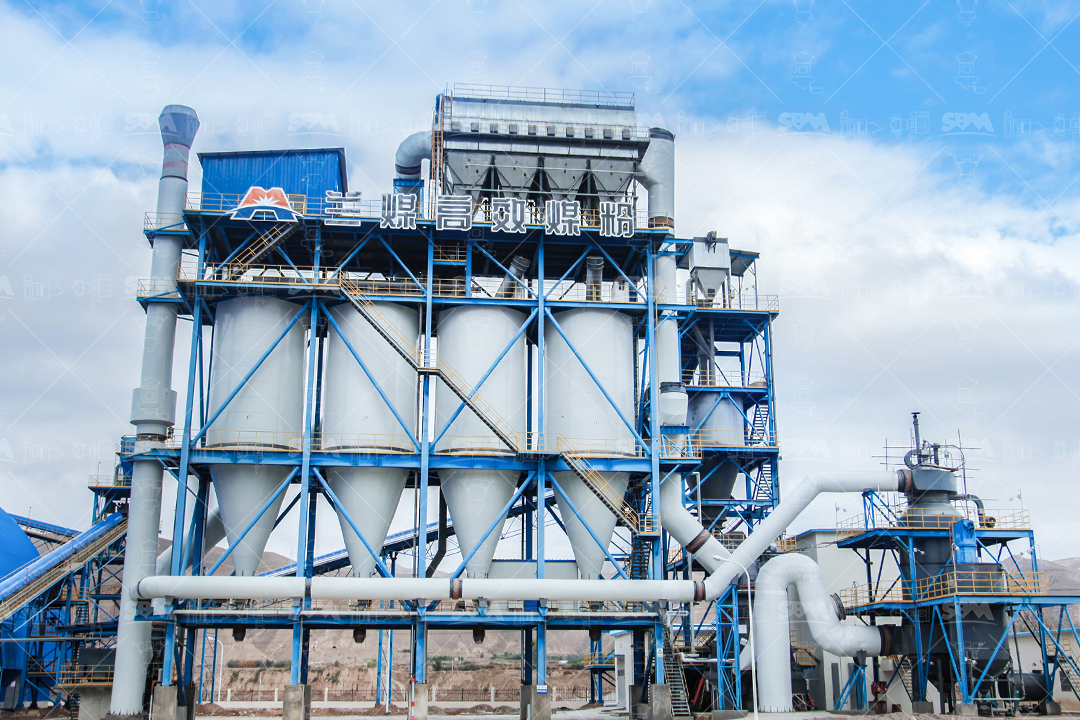
Management Practice: Cost Control and Quality Assurance
From a management perspective, the choice between Raymond and vertical mill technologies often boils down to the specific application and scale. Raymond mills generally have a lower initial investment and are easier to install, often requiring less complex foundations. They are excellent for smaller to medium capacity requirements (3-40tph). However, management must contend with higher specific energy consumption and more frequent wear part replacement compared to vertical mills. The management strategy for a Raymond mill fleet should focus on inventory management of wear parts like rollers and rings, as these are consumables that need frequent replacement.
Vertical mills, while having a higher initial CAPEX, offer lower operating costs. The capacity range of the LM series (3-400tph) allows for massive scaling. The management practice for vertical mills should focus on the automatic control system. By utilizing the PLC/DCS control system, managers can reduce labor costs, as the system allows for remote monitoring and precise pressure adjustment. The ability to dry, grind, and classify in one unit reduces the number of auxiliary equipment (like separate dryers and classifiers), which simplifies plant layout and reduces the total floor space by about 50% compared to ball mill systems. This space efficiency is a significant factor in plant management and expansion planning.
Quality assurance is another pillar of management. For ultrafine applications, such as producing heavy calcium carbonate (GCC) for the plastics or paper industry, the SCM series ultrafine mill and LUM vertical mill are preferred. The management must ensure that the disposable fineness reaches D97≤5μm. This requires strict control over the classifier speed and feed rate. In Raymond mills, achieving such fine fineness is difficult and often inefficient, making vertical mills the superior choice for high-end non-metallic mineral processing. Managers must align the equipment capability with the market demand; if the market requires 2500 mesh powder, the management should invest in LUM or SCM series rather than attempting to squeeze that fineness out of a standard Raymond mill, which would lead to inefficiency and excessive wear.
Safety and Environmental Compliance
Modern grinding operations are under intense scrutiny regarding safety and environmental impact. The operation of both mill types must adhere to strict safety protocols. For Raymond mills, the risk of dust emission is higher due to the open-air design of some older models, but modern MTW mills are equipped with efficient pulse dust collectors. The management must enforce strict housekeeping standards to prevent dust accumulation, which is a fire and health hazard. For vertical mills, the primary safety concern is the high-pressure hydraulic system and the rotating parts of the classifier. Lockout/tagout (LOTO) procedures are essential during maintenance to prevent accidental startup. Environmentally, the vertical mill has a distinct advantage. The LM series operates under negative pressure, meaning dust cannot escape. The noise level is also lower due to the stable operation and the lack of direct metal-to-metal impact that characterizes ball mills or the turbulent air flow in some Raymond mill designs. Management should view the investment in vertical mill technology not just as a productivity upgrade but as a compliance upgrade, ensuring the plant remains viable in an era of tightening environmental regulations.
Frequently Asked Questions (FAQ)
Q1: How do I resolve the issue of high vibration in my Raymond Mill?
High vibration in a Raymond mill is commonly caused by uneven feeding or the accumulation of material on the grinding ring. First, check the material feed size; it should not exceed 50mm. Ensure that the shovel blades are functioning correctly and that the feeding is continuous and uniform. If the vibration persists, inspect the roller and ring for uneven wear. If the gap between the roller and ring is too small, it can cause the mill to shudder. Adjusting the perching knife clearance and ensuring the foundation bolts are tight usually resolves this issue.
Q2: Why is my Vertical Mill's output capacity falling below the designed TPH?
A drop in capacity in vertical mills is often related to the material bed thickness or the hydraulic pressure. If the material is too hard or the feed size is too large (above 50mm), grinding becomes difficult. Check the hydraulic pressure; if it is too low, the grinding force is insufficient. Additionally, a rise in the differential pressure indicates an internal circulation overload. The operator should check if the separator is functioning efficiently. A worn-out or improperly set classifier can drag coarse powder back to the grinding plate, causing a decrease in output and a rise in energy consumption.
Q3: How often should I replace the lubricating oil in the cone gear transmission of the MTW Mill?
The oil change interval for the cone gear whole transmission depends on the operating environment and load. Generally, it is recommended to check the oil quality monthly and replace it every 3-6 months. The inner oil absorption lubrication system requires high-quality lubricant to prevent gear wear. If the oil appears cloudy or contains metal debris, replace it immediately. Always use the recommended viscosity grade to ensure proper lubrication of the bevel gears.
Q4: Can a Raymond Mill produce 2500 mesh powder efficiently?
Standard Raymond mills are typically limited in their ability to produce ultra-fine powder economically. While they can be modified to produce finer powder, the efficiency drops significantly, and wear on the air duct and classifier increases. For producing 325-2500 mesh powder, especially for materials like calcite and marble, it is more efficient and cost-effective to use an ultrafine mill like the SCM series or the LUM ultrafine vertical mill. These machines are specifically designed with efficient classifiers and heavy rotor designs to handle fine grinding tasks.
Q5: What are the key differences in managing spare parts inventory for Raymond vs. Vertical mills?
Raymond mills require a stock of mechanical wear parts like grinding rollers, rings, and shovel blades. These are solid, heavy components that wear down mechanically. Vertical mills require hydraulic spare parts (seals, accumulators) and wear-resistant liners and roller shells. Vertical mills generally have a longer wear life for their grinding implements because they use a material bed principle rather than direct contact. However, vertical mills have more complex electronic and hydraulic components. A manager must decide whether to invest in inventory for mechanical wear parts (Raymond) or hydraulic/electrical spares (Vertical) based on the criticality of the equipment to the production line.


