

Can aluminum ash be processed by raymond mill?
Published on: March 18, 2025
Aluminum ash, a byproduct generated during aluminum smelting, refining, and recycling processes, contains valuable aluminum metal, aluminum oxide, and various salts. Processing aluminum ash efficiently is critical for resource recovery and environmental compliance. The short answer is: Yes, aluminum ash can be processed by Raymond mill, but the feasibility and efficiency depend heavily on the specific characteristics of the aluminum ash and the type of Raymond mill employed. Traditional Raymond mills may struggle with aluminum ash due to its abrasive nature, moisture content, and tendency to stick, but advanced European trapezium mills (often referred to as MTW Raymond mills) and vertical roller mills are far better suited. This article explores the technical considerations, equipment selection, and practical solutions for grinding aluminum ash, drawing on the expertise of SBM Machinery as a total solution provider for grinding equipment across more than 180 countries.
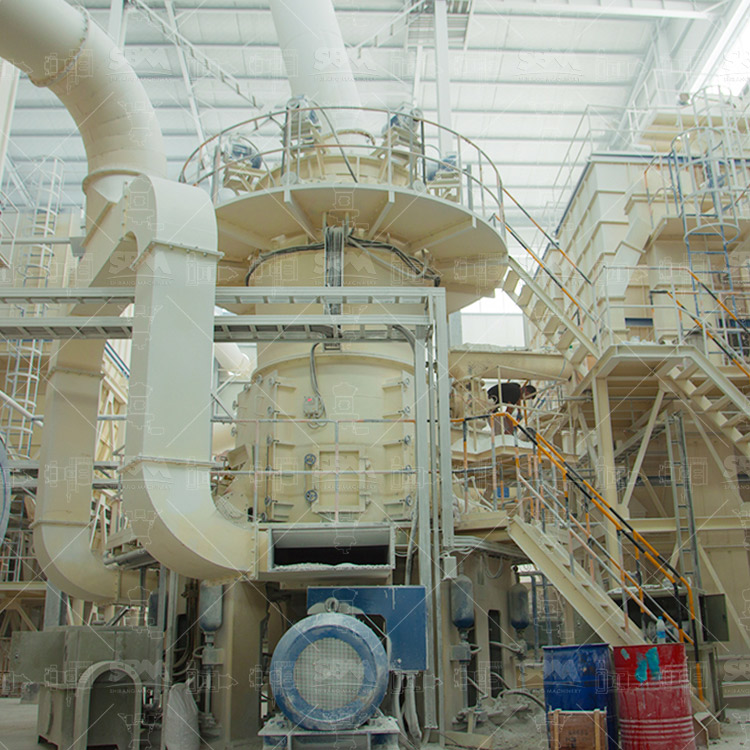
Understanding Aluminum Ash and Its Processing Challenges
Aluminum ash, also known as aluminum dross, is produced when aluminum is melted. It typically consists of metallic aluminum (10–80%), aluminum oxide, aluminum nitride, and salts such as chlorides and fluorides. The material is often fine, abrasive, and can be reactive with moisture, releasing ammonia or other gases. These properties create several pain points for conventional grinding equipment:
- Abrasiveness: Aluminum oxide and metallic aluminum can cause rapid wear on grinding rollers, rings, and liners.
- Stickiness: Salts and moisture can cause material to adhere to grinding surfaces, reducing efficiency and causing blockages.
- Explosion and fire risk: Fine aluminum powder can be combustible; therefore, the mill must be designed with explosion-proof features and inert gas systems.
- Moisture content: High moisture leads to poor grinding and clogging in air ducts.
- Contamination: Salts can corrode mill internals, requiring special materials of construction.
These challenges mean that not every Raymond mill is suitable. Traditional Raymond mills with simple blade and roller designs often fail prematurely or produce inconsistent fineness. That is why advanced mills such as the MTW Series European Trapezium Grinding Mill (MTW Raymond Mill) from SBM Machinery have become the preferred choice for aluminum ash processors worldwide.
Why MTW Raymond Mill (European Trapezium Mill) Is a Game-Changer for Aluminum Ash
The MTW Series European Trapezium Grinding Mill is developed on the basis of long-term R&D experience, structural and performance analyses of traditional grinding mills, and the integration of proposals from more than 9,500 customers. It is a new generation of grinding mill with international advanced level, featuring numerous autonomous patent technologies. For aluminum ash, the MTW mill offers several decisive advantages:
1. Unique wear-proof perching knife design
The combined-type shovel blade reduces the cost of wearing parts. Only the blade needs to be replaced during maintenance. The curved shovel blades change the feeding angle and prolong the service life of the roller and ring, which is crucial when processing abrasive aluminum ash. This design directly addresses the pain point of frequent replacement of grinding elements.
2. Arc air duct design
The circular duct avoids air energy loss and ensures transportation efficiency. The high-strength guard plate protects the working face of the air duct from abrasion by aluminum particles. This means less downtime and more consistent output.
3. Cone gear whole transmission
The bevel gear integral transmission achieves higher transmission efficiency, saves space, and lowers investment costs. For aluminum ash processors, this translates to lower power consumption per ton and a smaller footprint.
4. Volute design
The unobstructed wear-resistant volute effectively improves the efficiency of wind-driven transmission and reduces material maintenance costs. This is particularly important when handling sticky aluminum ash that might otherwise build up in the air stream.
With an input size of 0–50 mm, output size of 30–400 mesh, and capacity of 3–40 tph, the MTW Raymond mill can handle aluminum ash at both small and medium scales. However, for higher capacities or finer products, vertical roller mills and ultrafine mills may be more appropriate.
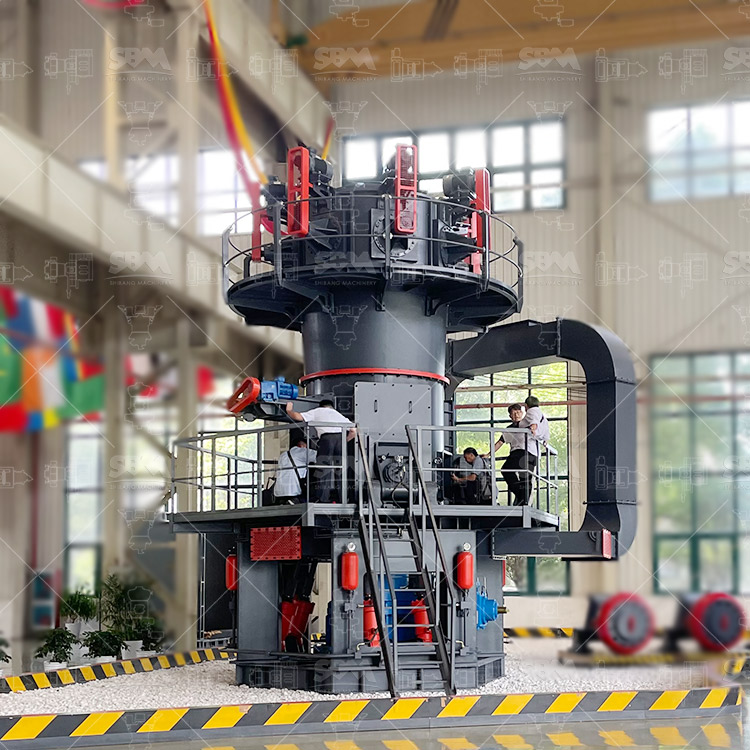
When Raymond Mill Alone Is Not Enough: Vertical Roller Mills and Ultrafine Mills
While the MTW Raymond mill can process aluminum ash, some operations require higher throughput (up to 400 tph) or finer product sizes (down to 5 microns). In such cases, SBM Machinery offers complementary solutions:
LM Vertical Roller Mill
This mill integrates crushing, drying, grinding, powder separation, and transportation. It features a small comprehensive investment (floor space about 50% of a ball-milling system), low operating costs (30–40% lower energy consumption than ball mills), and an automatic control system. The roller does not contact the grinding plate directly, and both are made of high-quality materials, leading to longer service life and less wear—ideal for abrasive aluminum ash. The LM mill can process up to 400 tph with output fineness of 30–400 mesh. Its drying function is particularly useful for high-moisture aluminum ash. Moreover, the wholly sealed negative-pressure operation ensures no dust spillover, meeting strict environmental standards.
SCM Ultrafine Mill
For applications requiring ultrafine aluminum ash powder (325–2500 mesh, with one-time fineness D97≤5μm), the SCM series is the answer. It features high output and low energy consumption (capacity more than twice that of jet mills, energy consumption lower by 30%), frequency-conversion control, and an efficient vertical turbine powder classifier. The heavy rotor design and special wear-resistant materials make it durable even with abrasive aluminum ash. The double powder collecting method (powder collectors and pulse dust collectors) achieves excellent dust collection, far exceeding international standards.
LUM Ultrafine Vertical Mill
This is a new type of ultrafine grinding equipment integrating powder grinding, separation, and transportation. It uses Taiwan’s grinding roller technology and Germany’s powder separating technology. With capacity 10–70 tph and output 325–4000 mesh, it is suitable for medium-to-high-end processing. The unique grinding curves of the roller shell and lining plate make it easier to form a material bed, improving grinding efficiency. The multi-rotor powder classifier allows customized fineness with no low-grade material. The PLC/DCS automatic control ensures stable operation and remote control. Like other SBM mills, it is environmentally friendly with low noise and dust.
Key Considerations for Grinding Aluminum Ash Successfully
Even with the right mill, aluminum ash processing requires attention to several factors:
- Explosion prevention: Aluminum powder can be explosive. The mill must be equipped with explosion vents, inert gas injection (e.g., nitrogen), and spark detection systems. SBM mills can be configured accordingly.
- Moisture control: Pre-drying or using a mill with integrated drying (like the LM vertical roller mill) is recommended if moisture exceeds 2–3%.
- Abrasion management: Choose mills with replaceable wear parts made from high-chromium alloys or ceramic composites. The MTW’s combined-type shovel blade and the SCM’s special roller and ring material are examples.
- Dust collection: Aluminum ash dust is hazardous. Efficient pulse-jet dust collectors and negative pressure operation are mandatory.
- Material stickiness: If salts cause sticking, consider adding a small amount of dry inert material or using a mill with an arc air duct and volute design to prevent buildup.
- Capacity and fineness matching: Not all aluminum ash needs the same fineness. For soil remediation or cement additives, 100–200 mesh may suffice (MTW). For high-value applications like pigments or refractories, 800–2500 mesh may be needed (SCM or LUM).
Real-World Applications and Customer Pain Points
SBM grinding equipment has served over 180 countries and regions, making it the preferred choice for customers in the global powder processing industry. For aluminum ash, customers often face these pain points:
- “My traditional Raymond mill wears out in weeks.” This is common because standard mills lack the wear protection of the MTW series. The MTW’s curved shovel blades and high-strength guard plates dramatically extend service life.
- “I need to process both coarse and fine aluminum ash with one machine.” The MTW can adjust output from 30 to 400 mesh, while the SCM and LUM can go down to 5 microns. A combination of a jaw crusher, MTW mill, and air classifier can create a flexible system.
- “My aluminum ash has high moisture and clogs the mill.” The LM vertical roller mill has integrated drying, using hot gas to dry and grind simultaneously. This solves the clogging issue.
- “I am worried about dust explosions.” SBM mills can be supplied with explosion-proof motors, explosion vents, and inert gas systems. The negative pressure operation also prevents dust from escaping.
- “I need to recover metallic aluminum from the ash before grinding.” While Raymond mills are for grinding, they can be part of a larger system that includes magnetic separation or sieving to recover coarse aluminum first. The fine fraction then goes to the mill.
In summary, aluminum ash can absolutely be processed by Raymond mill—especially the advanced MTW European Trapezium Mill—provided that the mill is properly configured for abrasion, moisture, and safety. For higher capacities or ultrafine requirements, vertical roller mills and ultrafine mills offer even better performance. As a total solution provider, SBM Machinery offers everything from individual units to complete grinding systems, with expertise spanning the entire mineral processing workflow. This includes environmental desulfurization limestone powder preparation, large-scale non-metallic mineral powder processing, heavy calcium carbonate processing, coal powder preparation, petroleum coke grinding, slag micro-powder production, and new energy materials. Aluminum ash processing is just one of many applications where SBM’s grinding equipment excels.
Frequently Asked Questions (FAQ)
1. Can a traditional Raymond mill handle aluminum ash with high metallic aluminum content?
Traditional Raymond mills can process aluminum ash with low metallic content (below 20%) and low moisture, but they will suffer from rapid wear and potential clogging. For high metallic aluminum content, the material becomes ductile and tends to smear on grinding surfaces. In such cases, we recommend pre-screening to remove coarse metal, then using an MTW European Trapezium Mill with wear-resistant blades, or a vertical roller mill that operates with a material bed rather than direct metal-to-metal contact. Additionally, explosion-proof features are essential because fine aluminum powder is combustible.
2. What is the maximum fineness I can achieve when grinding aluminum ash?
With the MTW Raymond mill, you can achieve 30–400 mesh (approximately 0.6 mm down to 38 microns). If you need finer powder, the SCM ultrafine mill can reach 325–2500 mesh, with one-time fineness D97≤5μm. The LUM ultrafine vertical mill can go even finer, up to 4000 mesh in some configurations. The choice depends on your downstream application: for cement additives or soil stabilization, 100–200 mesh is sufficient; for pigments, refractories, or specialized chemicals, 800–2500 mesh may be required.
3. How do I prevent dust explosions and fires when grinding aluminum ash?
Dust explosions are a serious risk. You must use a mill with explosion-proof design, including explosion vents, spark detection, and inert gas (nitrogen) injection. The system should operate under negative pressure to prevent dust leakage. SBM’s mills can be equipped with all these features. Additionally, regular cleaning of ducts and filters, grounding of all equipment, and avoiding accumulation of fine aluminum powder are critical. The pulse dust collectors and sealed systems in SBM mills help maintain a safe environment.
4. My aluminum ash is very sticky and moist. Which mill should I choose?
Sticky and moist aluminum ash is a common pain point. Traditional Raymond mills struggle because the material cakes on rollers and clogs air ducts. The best solution is the LM vertical roller mill, which integrates drying, grinding, and powder separation. Hot gas (from a hot air generator) enters the mill and dries the material while grinding. The material bed formation and high airflow prevent sticking. If you prefer a Raymond-style mill, the MTW with arc air duct and volute design can handle moderate moisture (up to 5%), but pre-drying may still be needed for very wet ash.
5. Can I recover metallic aluminum from aluminum ash before grinding?
Yes, and it is often economically beneficial. Before grinding, you can use magnetic separation (for iron contamination), sieving, or density separation to recover coarse metallic aluminum. The remaining fine ash, which is lower in metallic content, is then fed to the Raymond mill or vertical mill. SBM can provide complete systems that include feeding, screening, magnetic separation, grinding, and packaging. This not only reduces wear on the mill but also recovers valuable aluminum metal. For a customized flowsheet, consult SBM’s engineers who have experience with over 9,500 customer proposals.
For more information on how SBM Machinery can help you process aluminum ash efficiently and safely, contact our technical team. We serve clients worldwide with total grinding solutions tailored to your material, capacity, and fineness requirements.


