

Talc surface modification process after grinding
Published: December 2024
Talc is one of the most versatile industrial minerals, valued for its softness, lubricity, chemical inertness, and excellent thermal stability. However, raw talc powder obtained directly from grinding equipment often falls short of the performance requirements demanded by downstream industries such as plastics, coatings, paper, cosmetics, and pharmaceuticals. The reason is straightforward: unmodified talc particles exhibit poor compatibility with organic polymer matrices, leading to issues like weak interfacial bonding, dispersion difficulties, and inconsistent mechanical properties in finished products. This is where talc surface modification after grinding becomes essential. Surface modification is a post-grinding treatment process that alters the physicochemical properties of talc particle surfaces to improve their affinity with organic media, enhance dispersion stability, and unlock higher value applications. The process typically involves combining finely ground talc powder with surface treatment agents—such as silane coupling agents, stearic acid, titanate coupling agents, or polymer-based modifiers—under controlled temperature and mixing conditions. The choice of grinding equipment, particle size distribution, and surface modification method collectively determines the final product quality. In this article, we explore the complete talc surface modification process after grinding, covering the reasons it is necessary, the main techniques involved, the role of different grinding mills, key process parameters, and practical considerations for optimizing results. Whether you are producing talc for plastic masterbatch, paint, or cosmetic applications, understanding this process is critical to achieving consistent, high-performance output.
Why Surface Modification Is Necessary After Talc Grinding
After talc is extracted from mines, it undergoes crushing and grinding to reduce particle size to the desired fineness. Depending on the target application, talc may be ground to anywhere between 200 mesh and 2500 mesh or even finer. The grinding stage itself is a critical step because it determines the particle size distribution, specific surface area, and overall reactivity of the talc powder. However, grinding alone does not change the inherent surface chemistry of talc. Talc is a hydrated magnesium silicate with a layered structure. Its basal surfaces are hydrophobic and non-polar, while its edge surfaces carry polar hydroxyl groups. This mixed surface character creates problems when talc is dispersed in organic systems.
For example, in polypropylene (PP) and other thermoplastic composites, unmodified talc tends to agglomerate because the particles lack strong interfacial interaction with the polymer chains. This leads to poor dispersion, which in turn reduces impact strength, tensile strength, and surface finish of the final plastic product. In coatings and paints, unmodified talc may settle too quickly or fail to provide adequate reinforcement. In cosmetic formulations, surface properties affect skin feel, oil absorption, and compatibility with other ingredients.
Surface modification solves these problems by introducing organic functional groups onto the talc surface. These functional groups can form chemical bonds or strong physical interactions with the surrounding matrix, transforming talc from a passive filler into a functional additive. The result is improved mechanical properties, better dispersion, enhanced flow characteristics, and greater formulation flexibility.
Understanding the Talc Grinding Stage Before Modification
The quality of surface modification depends heavily on the quality of the ground talc powder. Factors such as particle size distribution, particle shape, surface area, and surface contamination all influence how effectively a modifier can coat the talc particles. Therefore, selecting the right grinding equipment is the first step in a successful modification process.
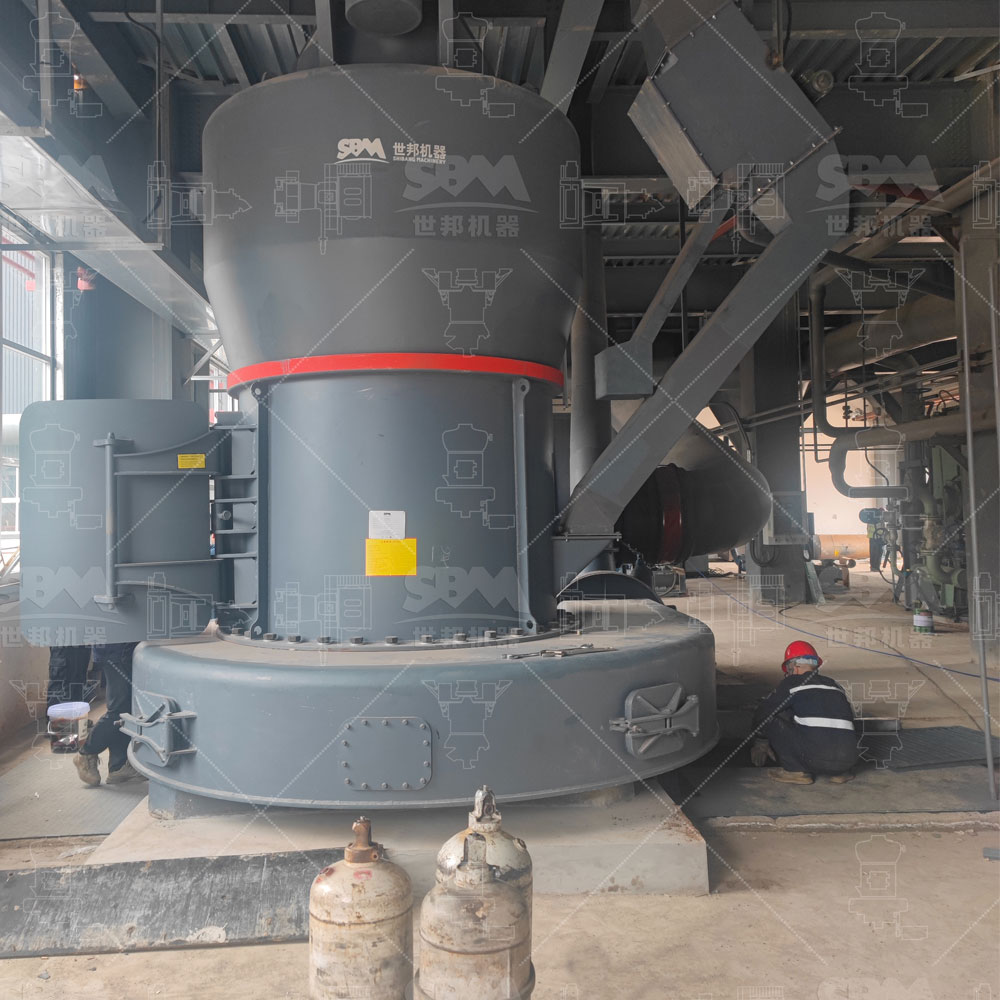
Different grinding mills produce different particle characteristics. For coarse to medium-fine talc powder, a European trapezium mill such as the MTW Series is often used. This type of mill is designed with advanced features like cone gear whole transmission, arc air duct design, and a unique wear-proof perching knife, which together improve grinding efficiency and reduce operating costs. The MTW mill can process talc to a fineness range of 30 to 400 mesh with capacities from 3 to 40 tons per hour, making it suitable for producing talc powders used in plastics, rubber, and paper industries where moderate fineness is acceptable.
For finer talc products, a vertical roller mill like the LM series offers significant advantages. It integrates crushing, drying, grinding, powder separation, and transportation into a single system. With a compact layout and the ability to operate outdoors, it reduces infrastructure investment. More importantly, the LM vertical roller mill produces talc powder with a narrow particle size distribution and consistent quality, which is essential for predictable surface modification results. Its automatic control system allows precise adjustment of grinding parameters, and the whole system operates under negative pressure to prevent dust emissions.
When ultrafine talc powder is required—typically for high-end applications such as cosmetic grade talc or specialty coatings—an ultrafine mill or ultrafine vertical mill is the preferred choice. The SCM series ultrafine grinding mill can achieve fineness from 325 to 2500 mesh, with one-time finished product fineness reaching D97 ≤ 5 μm. This level of fineness dramatically increases the specific surface area of talc particles, which means more surface sites are available for modification. The LUM ultrafine vertical mill goes even further, integrating Taiwan grinding roller technology and German powder separating technology to produce ultrafine talc powder with excellent particle shape and uniform distribution. Its multi-rotor powder classifier ensures precise cutting size and eliminates coarse particle spillover, which is critical when the modified talc must meet strict quality specifications.
In some cases, ball mills are also used for talc grinding, particularly for producing moderate fineness powder on a large scale. Modern ball mills have been optimized with improved structure design and new wear-resistant materials to reduce spare parts consumption and energy costs. Both dry and wet ball mills are available, with wet ball mills being more common in mineral processing operations.
Main Surface Modification Methods for Talc After Grinding
Once talc has been ground to the target fineness, it enters the surface modification stage. Several methods are commonly used, each with its own advantages and suitable applications.
1. Silane Coupling Agent Modification
Silane coupling agents are among the most widely used surface modifiers for talc. These compounds contain two different functional groups in the same molecule: one that can react with the hydroxyl groups on the talc surface (typically an alkoxy group such as methoxy or ethoxy), and another that can interact with organic polymers (such as amino, vinyl, epoxy, or methacryloxy groups). When talc powder is treated with a silane coupling agent, the alkoxy groups hydrolyze to form silanol groups, which then condense with the surface hydroxyl groups on talc to form stable covalent bonds. The organic functional groups extend outward from the talc surface, making the particles compatible with the polymer matrix.
Silane modification is particularly effective for talc used in epoxy resins, polyurethanes, and other thermosetting systems. It significantly improves mechanical strength, moisture resistance, and electrical properties of the composite. The typical dosage of silane coupling agent ranges from 0.5% to 2% by weight of talc, depending on the specific surface area of the powder and the desired level of modification.
2. Stearic Acid and Fatty Acid Modification
Stearic acid and other fatty acids are cost-effective surface modifiers that work well for talc used in polyolefins such as PP and PE. The carboxylic acid group of stearic acid can interact with the basic sites on the talc surface, while the long hydrocarbon chain provides compatibility with non-polar polymers. This type of modification is often carried out in a high-speed mixer or a heated reaction vessel. The talc powder is heated to a temperature above the melting point of stearic acid (around 70°C), and the modifier is added gradually under continuous mixing. The treatment time, temperature, and modifier concentration all affect the final modification efficiency.
Stearic acid modification improves the dispersion of talc in plastics, reduces melt viscosity, and enhances the surface gloss of molded parts. It is widely used in the production of talc-filled PP compounds for automotive interiors, household appliances, and packaging materials.
3. Titanate and Aluminate Coupling Agents
Titanate and aluminate coupling agents are suitable for talc modification when the polymer system contains functional groups that can react with these coupling agents. They are particularly effective in PVC, where they improve impact strength and thermal stability. These coupling agents can also reduce the viscosity of talc-filled systems, making processing easier.
4. Polymer Grafting and Encapsulation
In some advanced applications, talc particles are modified by grafting polymers directly onto their surface or by encapsulating them with a polymer layer. This approach provides excellent control over interfacial properties and can be tailored to specific polymer matrices. However, it is generally more complex and expensive than conventional coupling agent treatment, so it is reserved for high-value applications.
Equipment Used for Talc Surface Modification
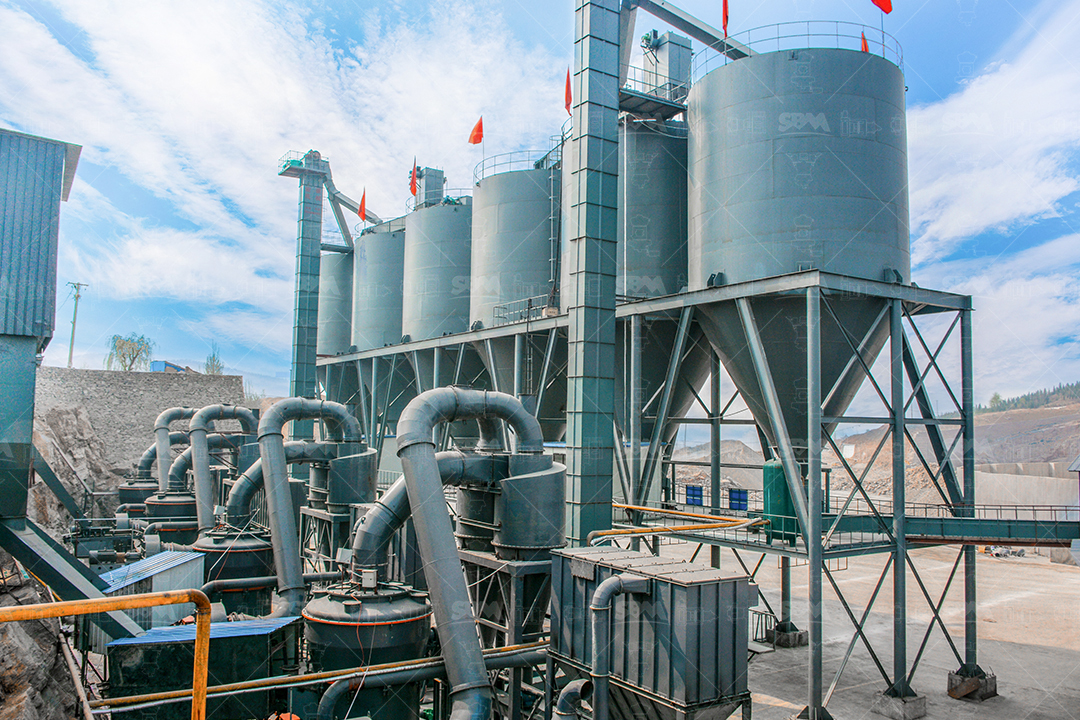
The equipment used for surface modification depends on the method chosen and the production scale. For dry modification processes using silane or stearic acid, high-speed mixers, ribbon blenders, and fluidized bed reactors are commonly used. These devices provide efficient mixing and uniform coating of the modifier onto the talc surface. For wet modification processes, stirred reactors and bead mills may be used, followed by filtration and drying.
In continuous production lines, the modification step is often integrated with the grinding and classification stages. For example, a vertical roller mill can be equipped with a modification chamber where the modifier is injected into the grinding zone or into the classifier outlet. This integrated approach reduces material handling and improves process efficiency.
Key Process Parameters for Successful Talc Modification
Achieving consistent and effective surface modification requires careful control of several process parameters. These include:
- Particle size and specific surface area: Finer talc powder has a higher surface area, which requires more modifier to achieve complete coverage. However, excessive modifier can lead to agglomeration and waste. The optimal dosage should be determined experimentally based on the surface area of the powder.
- Modifier concentration and addition rate: The amount of modifier and how quickly it is added affect the uniformity of the coating. Slow, controlled addition is generally preferred to ensure even distribution.
- Temperature: For fatty acid modifiers, the temperature must be above the melting point of the modifier but below the decomposition temperature of the talc or the modifier. For silane coupling agents, temperature affects hydrolysis and condensation rates.
- Mixing time and intensity: Sufficient mixing energy is needed to break up agglomerates and bring the modifier into contact with all particle surfaces. However, excessive mixing can damage the coating or cause particle breakage.
- pH and moisture content: For silane coupling agents, pH and moisture content influence hydrolysis and bonding. For talc, the natural pH is usually around 8-9, which is suitable for many silane systems, but adjustments may be needed.
- Post-treatment conditions: After modification, talc powder may need to be dried, cooled, or aged to allow the modifier to fully bond to the surface. These steps should be optimized to avoid thermal degradation or loss of modification efficiency.
Applications and Benefits of Modified Talc Powder
Surface-modified talc powder offers significant performance advantages across a wide range of industries:
- Plastics and rubber: Improved dispersion, higher loading capacity, better mechanical properties, and enhanced surface appearance.
- Coatings and paints: Better suspension, reduced settling, improved weatherability, and enhanced barrier properties.
- Paper and paperboard: Improved retention, better opacity, and smoother surface finish.
- Cosmetics and personal care: Enhanced skin adhesion, better oil absorption control, and improved compatibility with other ingredients.
- Pharmaceuticals: Improved flowability and compressibility for tablet formulations.
- Ceramics and refractories: Better binding and reduced shrinkage during firing.
The economic benefits are equally compelling. Modified talc can command higher market value, and its improved performance allows manufacturers to increase filler loading without sacrificing product quality, reducing overall raw material costs.
Common Challenges and How to Overcome Them
Despite the well-established benefits of talc surface modification, producers often encounter practical challenges. One common issue is poor reproducibility—the modified talc may perform differently from batch to batch. This is usually caused by variations in the ground talc properties, such as particle size distribution or surface contamination. To address this, it is important to maintain strict quality control on the grinding stage and to use grinding equipment that delivers consistent output. Advanced mills with automatic control systems, such as the LM vertical roller mill or LUM ultrafine vertical mill, can help achieve this consistency.
Another challenge is incomplete surface coverage, which occurs when the modifier dosage is insufficient or when the mixing process is not efficient enough. This can be detected by measuring the contact angle, dispersibility, or mechanical properties of the modified powder in a test formulation. Adjusting the modifier dosage, improving the mixing equipment, or pre-treating the talc surface can help resolve this issue.
Over-modification is another potential problem. When too much modifier is used, the excess modifier may act as a plasticizer or lubricant, reducing the mechanical strength of the final product. It can also cause agglomeration and poor flowability. Careful optimization of the modification recipe is essential.
Finally, environmental and safety considerations are increasingly important. Many coupling agents and fatty acids release volatile organic compounds (VOCs) during processing. Using closed systems, proper ventilation, and environmentally friendly modifiers can help mitigate these concerns.
Conclusion
Talc surface modification after grinding is a value-added process that transforms ordinary talc powder into a high-performance functional filler. By selecting the right grinding equipment, choosing an appropriate modification method, and optimizing process parameters, producers can achieve significant improvements in product quality and consistency. As industries continue to demand higher performance and more sustainable materials, the role of surface-modified talc will only grow. Investing in advanced grinding and modification technology is a strategic decision that pays off in terms of product quality, customer satisfaction, and long-term competitiveness.
Frequently Asked Questions
1. What is the ideal particle size of talc before surface modification?
The ideal particle size depends on the final application. For plastic masterbatch, talc is typically ground to 400-1250 mesh. For coatings and paints, 800-2500 mesh is common. For cosmetic grade talc, ultrafine powder of 1250-2500 mesh or finer is often required. In general, finer powder provides higher specific surface area and better modification efficiency, but it also requires more modifier and more careful process control. The key is to match the particle size to the application requirements and to ensure that the grinding equipment can produce a consistent particle size distribution.
2. How much surface modifier should be used for talc modification?
The optimal modifier dosage depends on the specific surface area of the talc powder, the type of modifier, and the desired level of modification. For silane coupling agents, a typical dosage is 0.5%-1.5% by weight of talc. For stearic acid, the dosage may range from 1% to 3%. It is best to determine the optimal dosage through laboratory trials by measuring the properties of the modified talc in a representative formulation. Over-dosing should be avoided because it can lead to agglomeration and reduced performance.
3. Can I modify talc without a separate modification step?
In some advanced grinding systems, surface modification can be integrated into the grinding process. For example, a vertical roller mill can be equipped with a modifier injection system that introduces the modifier into the grinding chamber or classifier. This approach saves space and energy, but it requires careful design to ensure that the modifier is evenly distributed and that the grinding process is not negatively affected. For most producers, however, a separate modification step provides better control and flexibility.
4. How do I know if my talc surface modification is successful?
Several methods can be used to evaluate the effectiveness of talc surface modification. These include measuring the contact angle of water on the modified talc surface (higher contact angle indicates better hydrophobicity), testing dispersibility in an organic solvent, performing thermogravimetric analysis (TGA) to determine the amount of modifier coated on the surface, and evaluating the mechanical properties of a composite material containing the modified talc. A combination of these methods provides a reliable assessment.
5. What are the most common problems in talc surface modification and how can I solve them?
The most common problems include poor dispersion, inconsistent modification, agglomeration, and reduced mechanical properties. Poor dispersion is often caused by insufficient mixing or incorrect modifier dosage. Inconsistent modification may result from variations in the ground talc properties or inadequate process control. Agglomeration can occur when too much modifier is used or when the drying step is not properly controlled. Reduced mechanical properties may indicate over-modification or incompatibility between the modifier and the polymer matrix. To solve these problems, start by ensuring consistent quality of the ground talc, optimize the modifier dosage and process conditions, and use appropriate testing methods to monitor the results.


