

Raymond mill: classic equipment in industrial grinding field
Published: January 15, 2025
Raymond mill, also known as the pendulum grinder, has stood the test of time as one of the most reliable and versatile grinding solutions in the industrial minerals processing sector. From its early beginnings to today's advanced iterations, this equipment has evolved significantly to meet the ever-increasing demands for finer powders, higher capacity, and greater energy efficiency. As a classic piece of equipment in the industrial grinding field, Raymond mill technology has been continuously refined by industry leaders like SBM Machinery, whose MTW Series European Trapezium Grinding Mill represents a modern evolution of the traditional Raymond mill design. This article explores the enduring relevance of Raymond mill technology, its technical advantages, applications across diverse industries, and how modern innovations have addressed the common pain points faced by operators worldwide. With over 180 countries and regions served, SBM Machinery has accumulated extensive expertise in grinding equipment manufacturing, offering clients everything from individual units to complete grinding systems. The company's product portfolio includes advanced solutions such as the MTW European Trapezium Mill, LM Vertical Roller Mill, SCM Ultrafine Mill, LUM Ultrafine Vertical Mill, and Ball Mill, each designed to tackle specific grinding challenges in power generation, building materials, mining, metallurgy, chemicals, and non-metallic minerals processing.
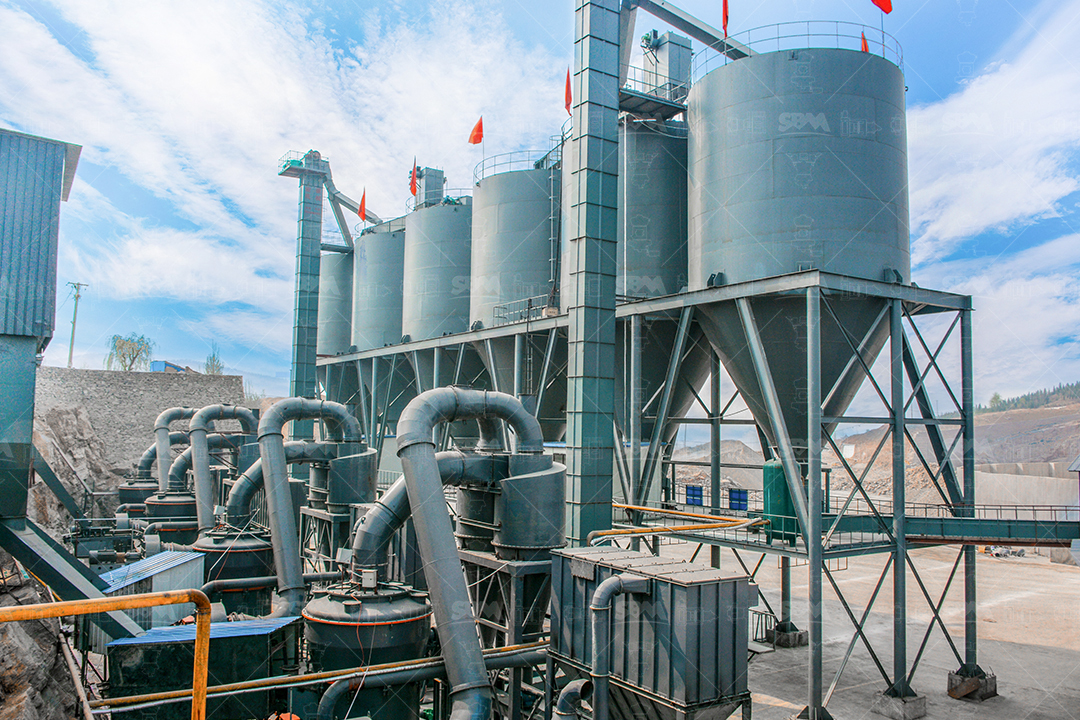
Understanding the Raymond Mill: A Historical Perspective
The Raymond mill was first introduced in the early 20th century and quickly became the industry standard for pulverizing coal, limestone, and various non-metallic minerals. Its distinctive design features a vertical axis supporting a set of grinding rollers that rotate against a stationary grinding ring. The material is fed into the grinding chamber, where it is crushed and ground between the rollers and the ring. An integrated air classification system then separates fine particles from coarse ones, with the latter being returned for further grinding. This closed-loop system ensures efficient material utilization and consistent product fineness.
Over the decades, the fundamental operating principle of the Raymond mill has remained largely unchanged, but the engineering details have undergone significant transformation. Early models suffered from issues such as excessive wear on grinding components, inefficient air classification, and high energy consumption. These pain points prompted manufacturers to invest heavily in research and development, leading to the modern generations of Raymond mills that we see today.
SBM Machinery's MTW Series European Trapezium Grinding Mill is a prime example of how traditional Raymond mill technology has been reimagined for contemporary industrial requirements. Developed on the basis of long-term R&D experience and structural performance analyses of traditional grinding mills, the MTW Series integrates proposals from more than 9,500 customers worldwide. The result is a new generation of grinding mill with international advanced levels, featuring innovations such as cone gear whole transmission, an internal oil absorption lubrication system, and an arc air flue design.
Technical Advantages of Modern Raymond Mill Technology
When examining what sets modern Raymond mills apart from their predecessors, several key technical advantages come to the forefront. These innovations directly address the most common challenges that operators face in daily production.
Unique Wear-Proof Perching Knife Design
One of the most significant advancements in modern Raymond mill design is the implementation of a unique wear-proof perching knife or blade system. The combined-type shovel blade dramatically reduces the cost of wear parts, as only the blade needs to be replaced during maintenance operations. The curved shovel blades are specifically designed to change the feeding angle, which prolongs the service life of both the roller and the ring. This design directly addresses the common customer pain point of frequent replacement of grinding components and the associated downtime and costs.
Arc Air Duct Design
The circular or arc air duct design in modern Raymond mills avoids air energy loss and ensures transportation efficiency. This is a critical improvement over older straight-duct designs that often led to turbulence and pressure drops. The high-strength guard plate protects the working face of the air duct, reducing wear and extending the lifespan of this critical component. For operators who have struggled with inconsistent airflow and inefficient material transport, this design innovation offers a welcome solution.
Cone Gear Whole Transmission
The bevel gear integral transmission system achieves higher transmission efficiency while simultaneously saving space and lowering investment costs. This innovation addresses the common complaint of excessive energy consumption and bulky equipment footprints. By integrating the transmission components more efficiently, modern Raymond mills can operate with less noise, less vibration, and greater reliability.
Volute Design
The unobstructed wear-resistant volute effectively improves the efficiency of the wind-driven transmission in the mill while simultaneously reducing the costs for material maintenance. This design enhancement ensures that material flows smoothly through the system without unnecessary buildup or blockage, which is a frequent cause of production downtime in older equipment.
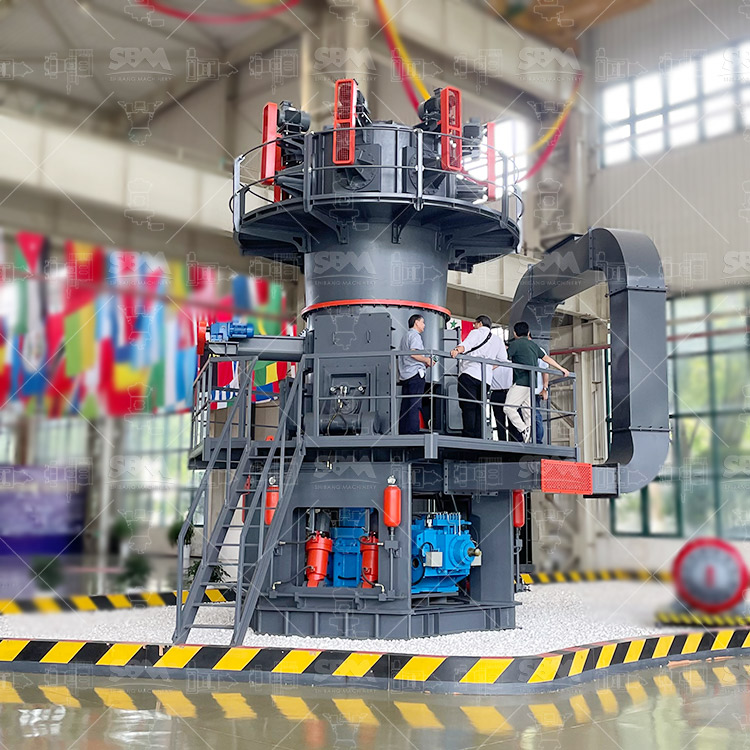
Applications Across Diverse Industries
The versatility of Raymond mill technology is perhaps best demonstrated by its wide-ranging applications across multiple industries. SBM grinding equipment, including the MTW European Trapezium Mill, is widely used in power generation, building materials, mining, metallurgy, chemicals, and non-metallic minerals processing.
In the power generation industry, Raymond mills are essential for coal powder preparation. The fineness of pulverized coal directly impacts combustion efficiency and emissions. Modern Raymond mills can achieve the precise particle size distribution required for optimal combustion, helping power plants reduce fuel consumption and meet environmental regulations.
For environmental desulfurization limestone powder preparation, Raymond mills provide the necessary grinding capability to produce limestone powder with the required reactivity. The consistent particle size and high surface area of the ground limestone are critical for efficient SO2 capture in flue gas desulfurization systems.
In the building materials industry, Raymond mills are used for heavy calcium carbonate (GCC) processing and gypsum grinding. The construction industry's demand for high-quality fillers and extenders has driven the development of finer and more consistent grinding technologies.
The mining and metallurgy sectors rely on Raymond mills for processing various ores and minerals. Large-scale non-metallic mineral powder processing requires equipment that can handle high capacities while maintaining precise control over particle size distribution.
Emerging applications include petroleum coke grinding, slag micro-powder production, and new energy materials processing. These demanding applications require equipment that can handle abrasive materials while maintaining consistent product quality and minimizing downtime.
Comparing Raymond Mill with Other Grinding Technologies
While Raymond mills have been a staple in the industry for decades, operators often face the dilemma of choosing between various grinding technologies. Understanding the relative strengths and weaknesses of each option is essential for making informed equipment decisions.
Ball mills have been used in many industries for a long time, and the technology is quite mature. However, customers frequently express concerns about metal balls wearing out quickly and high energy consumption. SBM Machinery has optimized ball mill designs by improving structural elements and adopting new materials, significantly reducing spare parts costs. Different types of ball mills are available for specific requirements—dry ball mills are mainly for producing common powder, while wet ball mills are widely used in mineral dressing applications.
LM Vertical Roller Mill represents another evolutionary step in grinding technology. It was developed as a solution to technical issues such as low output and high energy consumption in ordinary industry operations. This new type of product is based on years of production and development experience, analyzing and researching the strengths and weaknesses of both foreign and domestic products of its kind. Its performance has entered the leading level among international products of its kind. The LM Vertical Roller Mill is a new type of advanced pulverizing equipment featuring good performance and drying function. Integrated with drying, pulverizing, and powder-selection functions, it is widely applied in cement, chemical, coal, and electric power industries, having become mainstream equipment in the pulverizing industry.
For applications requiring ultrafine grinding, SCM series ultrafine grinding mills have been developed to meet the increasing requirements on pulverizing fineness. General Raymond mills have been fairly unable to meet the demands of market development, and as a result, SCM series ultrafine grinding mills were developed. Their powder fineness can be adjusted within a range from 325 to 2500 mesh, and disposable fineness can reach D97≤5μm, which has ranked at the leading level in the same trade.
LUM ultrafine vertical mills represent the latest advancement in ultrafine grinding equipment. Integrating powder grinding, separation, and transportation, these mills are designed based on vertical mill technology while introducing Taiwan's grinding roller technology and Germany's powder separating technology. They are mainly used for ultrafine grinding of calcite, marble, limestone, talc, dolomite, barite, kaolin, wollastonite, gypsum, feldspar, pyrophyllite, and other non-metallic mineral ores.
Addressing Common Customer Pain Points
Throughout SBM Machinery's extensive experience serving customers in over 180 countries and regions, several common pain points have consistently emerged. The company's grinding equipment has been designed to address these challenges directly.
Pain Point 1: High Energy Consumption
Energy costs represent a significant portion of operational expenses in grinding operations. Traditional grinding equipment often operates at low efficiency, consuming excessive power relative to the amount of finished product produced. Modern grinding solutions address this through optimized grinding curves, efficient transmission systems, and intelligent control systems that adjust operating parameters based on actual load conditions.
Pain Point 2: Frequent Wear Part Replacement
The abrasive nature of many materials causes rapid wear on grinding components, leading to frequent replacement and downtime. Modern grinding equipment utilizes advanced materials and designs that extend the service life of wear parts. For example, the combined-type shovel blade design in modern Raymond mills allows for replacement of only the blade rather than the entire assembly.
Pain Point 3: Inconsistent Product Quality
Variations in feed material characteristics and operating conditions can lead to inconsistent product fineness. This is particularly problematic in applications where precise particle size distribution is critical. Advanced powder classification systems and automatic control systems ensure consistent product quality even when feed conditions vary.
Pain Point 4: Environmental Compliance
Dust emissions and noise pollution are major concerns for grinding operations, particularly in populated areas or environmentally sensitive locations. Modern grinding equipment features completely sealed systems operating under negative pressure, efficient dust collection systems, and optimized sound insulation to meet stringent environmental standards.
Pain Point 5: Complex Maintenance and Operation
Traditional grinding equipment often requires skilled operators and extensive maintenance procedures. Modern equipment features intelligent control systems that enable remote monitoring and operation, automatic lubrication systems, and modular designs that simplify maintenance procedures. The automatic control system enables remote control and simple operation, with frequency-conversion speed regulation enabling the mill to be used for various materials.
Choosing the Right Grinding Solution
Selecting the appropriate grinding equipment requires careful consideration of multiple factors, including feed material characteristics, required product fineness, production capacity, available space, and budget constraints. SBM Machinery operates as a total solution provider for grinding equipment, offering clients everything from individual units to complete grinding systems, with expertise spanning the entire mineral processing workflow.
For medium-fineness applications requiring capacities up to 40 tons per hour, the MTW Series European Trapezium Grinding Mill offers an excellent balance of performance and efficiency. With input sizes up to 50mm and output sizes ranging from 30 to 400 mesh, this mill is suitable for a wide range of applications including limestone grinding for desulfurization, coal powder preparation, and non-metallic mineral processing.
For higher capacity requirements, the LM Vertical Roller Mill can achieve capacities up to 400 tons per hour while maintaining the same output fineness range. Its integrated drying, grinding, and classification functions make it particularly suitable for materials with high moisture content.
When ultrafine grinding is required, the SCM Ultrafine Mill and LUM Ultrafine Vertical Mill offer fineness ranges up to 2500 mesh, with the LUM series capable of capacities up to 70 tons per hour. These mills are particularly suitable for producing high-value added products such as fillers for plastics, coatings, and paper industries.
The Future of Raymond Mill Technology
The evolution of Raymond mill technology continues as manufacturers pursue greater efficiency, higher capacity, and improved environmental performance. Future developments are likely to focus on further reducing energy consumption through advanced grinding mechanisms and intelligent control systems, increasing the use of alternative materials to extend wear part life, and improving integration with Industry 4.0 technologies for remote monitoring and predictive maintenance.
The enduring popularity of Raymond mill technology is a testament to its fundamental soundness as a grinding method. By continuously addressing customer pain points and incorporating the latest technological advances, manufacturers like SBM Machinery ensure that this classic equipment remains at the forefront of the industrial grinding field.
Frequently Asked Questions
What is the difference between a Raymond mill and a ball mill?
Raymond mills use rollers that press against a grinding ring, while ball mills use metal balls that tumble inside a rotating cylinder. Raymond mills are generally more energy-efficient for producing fine powders (30-400 mesh), while ball mills are better suited for coarser grinding and wet processing applications. Raymond mills offer better control over product fineness and produce a more uniform particle size distribution.
What is the maximum capacity of a Raymond mill?
Modern Raymond mill designs can achieve capacities ranging from 3 to 40 tons per hour for the MTW Series. For higher capacities up to 400 tons per hour, vertical roller mill technology is available. The actual capacity depends on factors such as feed material characteristics, required product fineness, and mill configuration.
How do I choose between a Raymond mill and a vertical roller mill?
The choice depends on your specific requirements. Raymond mills (like the MTW Series) are ideal for medium-fineness applications with capacities up to 40 tph and are known for their reliability and simple maintenance. Vertical roller mills (like the LM Series) are better for higher capacities up to 400 tph and can handle materials with higher moisture content due to their integrated drying function. For ultrafine grinding requirements, both SCM and LUM series mills offer fineness up to 2500 mesh.
What maintenance is required for a Raymond mill?
Regular maintenance includes checking and replacing wear parts such as grinding rollers, grinding rings, and shovel blades. Modern Raymond mills feature combined-type shovel blade designs that only require blade replacement, reducing maintenance costs. Lubrication systems should be checked regularly, and the internal oil absorption lubrication system in modern designs simplifies this process. The air classification system and dust collection system also require periodic inspection and cleaning.
Can Raymond mills handle materials with high moisture content?
Traditional Raymond mills have limited capability for handling high-moisture materials. However, modern designs can incorporate drying functions. For materials with significant moisture content, vertical roller mills like the LM Series are often preferred because they integrate drying, grinding, and classification functions in a single unit. The hot air introduced into the mill can evaporate moisture while grinding, allowing efficient processing of materials with moisture content up to 15%.


