

Non-metallic mineral grinding with vertical roller mill: limestone
Published: December 15, 2024
In the rapidly evolving world of mineral processing, limestone stands as one of the most versatile and widely used non-metallic minerals, serving industries ranging from construction and agriculture to environmental protection and manufacturing. The challenge of efficiently processing limestone into various powder specifications has driven significant technological advancements, with vertical roller mills emerging as the preferred solution for modern grinding operations. This comprehensive analysis explores how vertical roller mill technology has revolutionized limestone processing, addressing the critical demands for higher capacity, lower energy consumption, and superior product quality. Drawing from extensive industry expertise and global operational data, we examine the key technical considerations, common challenges, and practical solutions that define successful limestone grinding operations. Whether you are processing limestone for desulfurization in power plants, producing heavy calcium carbonate for industrial applications, or preparing ultrafine powders for specialized uses, understanding the capabilities and optimal configurations of vertical roller mill systems is essential for achieving operational excellence and maintaining competitive advantage in today's demanding market.
Understanding Limestone as a Non-Metallic Mineral Resource
Limestone, primarily composed of calcium carbonate (CaCO3), represents one of the most abundant and economically important non-metallic minerals globally. Its applications span an impressive range of industries, each demanding specific particle size distributions and powder characteristics. In the power generation sector, limestone powder serves as a critical reagent for flue gas desulfurization, requiring consistent fineness to ensure efficient sulfur dioxide capture. The building materials industry relies on finely ground limestone as a key component in cement production and as a filler in various construction products. Meanwhile, the chemical and manufacturing sectors utilize limestone powder as raw material for producing precipitated calcium carbonate, plastics, paints, rubber, and numerous other products.
The processing requirements for limestone vary significantly depending on the end application. Coarse grinding may produce powders in the range of 30 to 100 mesh for agricultural applications, while industrial fillers typically require fineness between 200 and 400 mesh. Advanced applications demand ultrafine powders reaching 1250 mesh or even finer, with precise control over particle size distribution being crucial for product performance. This diversity in requirements necessitates grinding equipment capable of delivering consistent, reliable results across a broad spectrum of specifications.
Why Vertical Roller Mills Excel in Limestone Processing
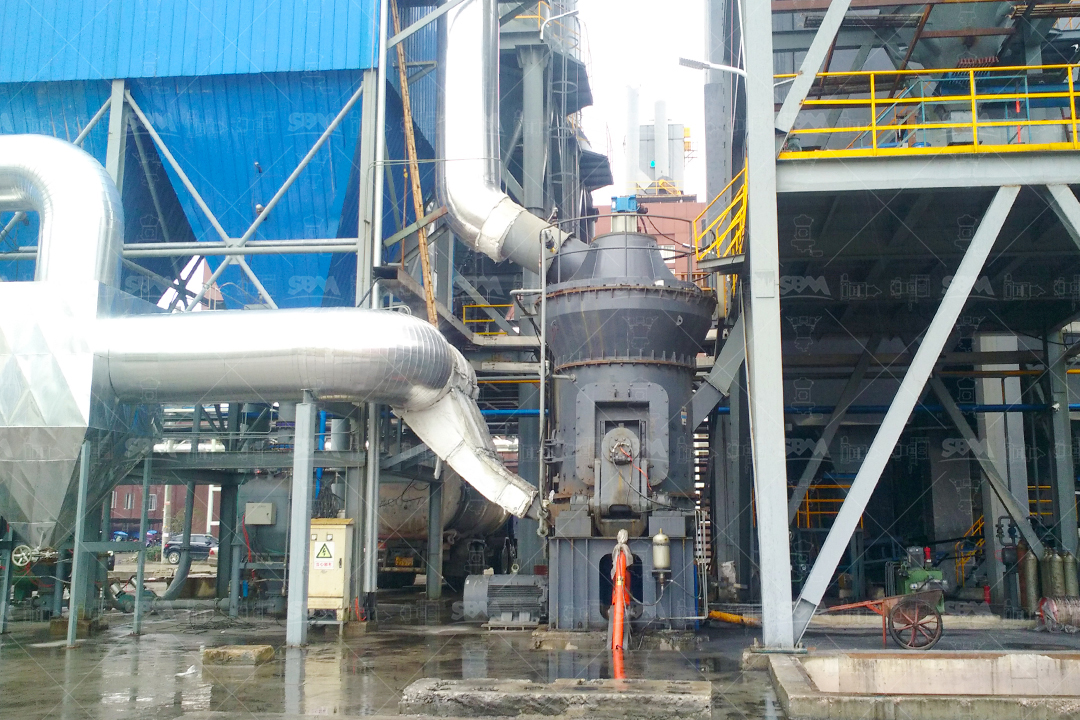
The vertical roller mill has established itself as the dominant technology for limestone grinding, offering substantial advantages over traditional ball mill systems. The fundamental design principle involves a rotating grinding table and stationary rollers that apply pressure to crush and grind material through a combination of compression, attrition, and shearing forces. This configuration enables highly efficient particle size reduction while simultaneously drying the material through hot gas introduction into the grinding chamber.
One of the most compelling advantages of vertical roller mill technology lies in its energy efficiency. Compared to conventional ball milling systems, vertical roller mills typically consume 30 to 40 percent less energy to achieve equivalent production capacities. This substantial reduction in power consumption translates directly to lower operating costs, making vertical roller mills particularly attractive for large-scale limestone processing operations where energy represents a significant portion of total production expenses.
The integrated design of vertical roller mills represents another significant advantage. These systems combine crushing, drying, grinding, powder classification, and transportation functions within a single compact unit. This integration dramatically simplifies the overall process flow, reduces equipment footprint, and minimizes material handling requirements. Modern vertical roller mills can be arranged outdoors, further reducing infrastructure investment compared to the extensive buildings required for traditional grinding circuits.
Technical Considerations for Optimal Limestone Grinding
When selecting and configuring a vertical roller mill for limestone processing, several critical technical factors must be carefully evaluated. The input material characteristics, including particle size, moisture content, and chemical composition, directly influence equipment selection and configuration. Limestone with high moisture content may require enhanced drying capabilities, while abrasive varieties demand wear-resistant materials for grinding components to ensure extended service life.
Product fineness requirements dictate the selection of appropriate classifier technology. For standard limestone powders in the 30 to 400 mesh range, conventional classifiers provide efficient separation. However, for ultrafine applications requiring fineness beyond 400 mesh, advanced classifier designs capable of precise cut points become necessary. The latest vertical roller mill designs incorporate variable frequency drives for classifier speed adjustment, enabling flexible control over product fineness without mechanical modifications.
Capacity requirements influence the size and configuration of the mill system. Vertical roller mills are available in various sizes, with production capacities ranging from a few tonnes per hour for smaller operations to several hundred tonnes per hour for large-scale industrial installations. The relationship between mill size, grinding pressure, and capacity must be carefully optimized to ensure efficient operation at the desired production rate.
Addressing Common Operational Challenges
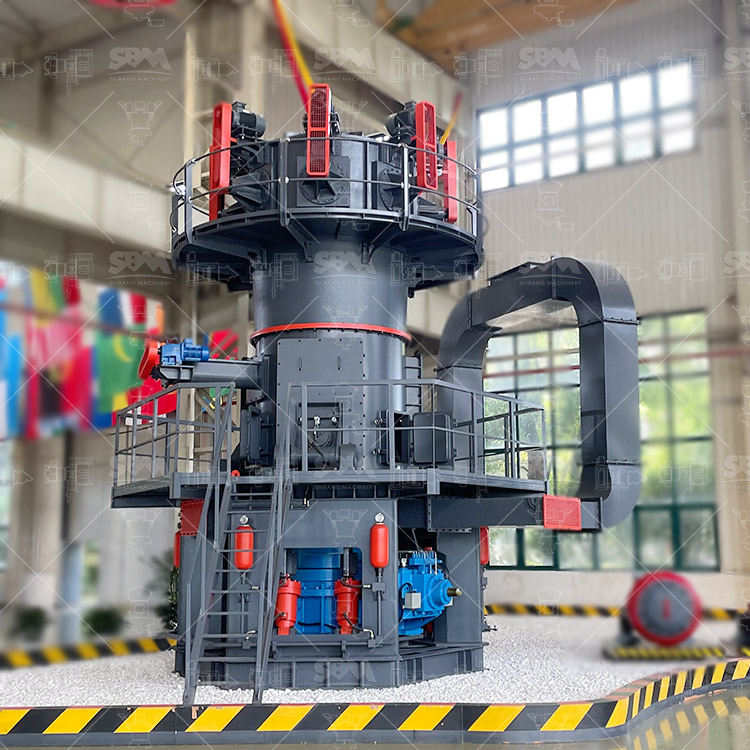
While vertical roller mills offer numerous advantages for limestone processing, operators must address several common challenges to maintain optimal performance. Wear of grinding components represents a significant consideration, as limestone can be abrasive depending on its specific composition and the presence of impurities. Modern mill designs incorporate high-quality wear-resistant materials for rollers and grinding tables, with innovative designs that minimize wear rates and extend replacement intervals.
Grinding bed stability is crucial for efficient operation. The material layer on the grinding table must maintain consistent thickness and compaction to ensure effective grinding and stable mill operation. Factors affecting bed stability include feed material characteristics, feed rate consistency, grinding pressure, and airflow through the mill. Automatic control systems monitor these parameters continuously and make real-time adjustments to maintain optimal conditions.
Dust emission control is essential for meeting environmental regulations and maintaining a safe working environment. Vertical roller mills operate under negative pressure with fully sealed systems, preventing dust escape during normal operation. Advanced pulse-jet dust collection systems capture fine particles from the exhaust gas, achieving emission levels well within regulatory requirements. The collected dust can often be returned to the product stream, maximizing material recovery.
Applications Across Industries
The versatility of vertical roller mills in limestone processing extends across numerous industries, each with specific requirements and operational considerations. In the power generation industry, limestone grinding systems support flue gas desulfurization processes at coal-fired power plants. The limestone powder reacts with sulfur dioxide in the flue gas, forming calcium sulfate and effectively reducing emissions. This application demands reliable, continuous operation with consistent product fineness to ensure efficient desulfurization.
For heavy calcium carbonate production, vertical roller mills provide the combination of capacity and product quality required by this demanding application. Heavy calcium carbonate serves as a functional filler in plastics, paints, paper, and other products, where particle size distribution, brightness, and purity directly impact end-product performance. Vertical roller mills with advanced classification systems produce the precise particle size distributions required for these applications.
The construction materials industry relies on limestone grinding for cement production and as a supplementary cementitious material. Vertical roller mills efficiently process limestone for these applications, typically targeting fineness levels that optimize reactivity and performance in concrete and mortar formulations. The drying capability of vertical roller mills proves particularly valuable when processing limestone with elevated moisture content.
Technological Innovations Driving Performance
Recent technological developments have further enhanced the capabilities of vertical roller mills for limestone processing. Advanced automation systems now enable remote monitoring and control, allowing operators to optimize performance from centralized control rooms. These systems continuously monitor key parameters such as grinding pressure, material bed depth, airflow rate, and product fineness, making automatic adjustments to maintain optimal operating conditions.
Improved grinding element designs have extended service life and reduced maintenance requirements. Innovative roller profiles and grinding table geometries optimize the material bed formation and grinding efficiency, while advanced materials provide superior wear resistance. The combination of design improvements and material advances has significantly reduced the cost of wear parts per tonne of product produced.
Classification technology has also advanced considerably, with multi-rotor classifiers and other innovative designs achieving sharper cut points and higher efficiency. These developments enable production of finer products with more consistent particle size distributions, expanding the range of applications for limestone powders produced in vertical roller mills.
Environmental Benefits and Sustainability
Vertical roller mills contribute to sustainable limestone processing through multiple environmental benefits. The energy efficiency advantage directly reduces carbon emissions associated with power consumption, supporting industry efforts to minimize environmental impact. The compact system design reduces the land area required for processing facilities, preserving natural spaces and reducing construction materials consumption.
The ability to process limestone with higher moisture content eliminates the need for separate drying operations in many applications, further reducing energy consumption and simplifying process flows. Advanced dust collection systems achieve near-zero emissions, protecting air quality and worker health. Noise levels are significantly lower than ball mill systems, reducing acoustic impact on surrounding communities.
Material efficiency represents another sustainability advantage, as vertical roller mills achieve high material recovery rates with minimal waste generation. The ability to precisely control product fineness reduces over-grinding and ensures that energy is spent only on achieving the required particle size reduction.
Selection Criteria for Limestone Grinding Systems
Selecting the appropriate vertical roller mill configuration requires careful consideration of multiple factors. Production capacity requirements determine the basic mill size and configuration, with consideration for future expansion needs. Product fineness specifications influence classifier selection and mill operating parameters. Material characteristics, including hardness, abrasiveness, and moisture content, guide decisions regarding wear protection and drying capability requirements.
Available space and layout constraints affect system configuration, particularly regarding outdoor versus indoor installation and the arrangement of auxiliary equipment. Energy costs and availability influence the evaluation of system efficiency and the potential return on investment from higher-efficiency designs. Environmental regulations establish minimum requirements for dust emission, noise, and other environmental parameters.
After-sales support and spare parts availability are important considerations for long-term operational success. Working with experienced suppliers who understand the specific challenges of limestone processing ensures that systems are properly configured and optimized for each application. Ongoing technical support and prompt spare parts supply minimize downtime and maintain production efficiency.
Frequently Asked Questions
Q1: What is the maximum feed size that a vertical roller mill can handle for limestone processing?
Vertical roller mills for limestone processing typically accept feed material up to 50mm in size, depending on the specific mill model and configuration. However, optimal performance is usually achieved with feed sizes below 40mm, as smaller feed particles allow for more efficient grinding and stable material bed formation. Pre-crushing may be recommended for larger feed material to ensure consistent operation and maximize mill capacity. The exact feed size specification should be determined based on the specific mill design and the characteristics of your limestone material.
Q2: How do I control product fineness when grinding limestone in a vertical roller mill?
Product fineness in vertical roller mills is primarily controlled through classifier speed adjustment. Higher classifier speeds produce finer products by subjecting particles to greater centrifugal force, allowing only smaller particles to pass through to the product stream. Modern mills incorporate variable frequency drives that enable continuous adjustment of classifier speed, providing flexible control over product fineness. Additional parameters affecting fineness include grinding pressure, airflow rate, and feed rate. Advanced control systems can automatically adjust these parameters to maintain target fineness despite variations in feed material or operating conditions.
Q3: What moisture content can be handled in limestone grinding without pre-drying?
Vertical roller mills can process limestone with moisture content up to approximately 15 percent without separate pre-drying, depending on the specific mill design and available heat for drying. The grinding chamber serves as an efficient dryer, as the hot gas stream introduced for material transport simultaneously evaporates moisture from the limestone. The intense mixing and large surface area exposure in the mill enable rapid moisture removal. For higher moisture content materials, the drying capability can be enhanced through increased hot gas temperature or flow rate. In some cases, supplementary heat sources may be required for extremely wet materials.
Q4: How often do grinding components need replacement when processing limestone?
Grinding component life depends on multiple factors including limestone abrasiveness, product fineness, mill operating parameters, and the specific wear materials used. With high-quality wear-resistant materials, grinding rollers and table liners typically last between 8,000 and 15,000 operating hours when processing typical limestone grades. Abrasive limestone varieties or very fine grinding applications may require more frequent replacement. Modern mill designs minimize wear through optimized grinding element geometries that promote stable material bed formation and reduce direct metal-to-metal contact. Regular inspection and condition monitoring help predict remaining component life and schedule maintenance efficiently.
Q5: What factors affect the energy consumption of a limestone vertical roller mill?
Energy consumption in limestone vertical roller mills is influenced by several key factors. Product fineness has the most significant impact, as finer grinding requires more energy per tonne of product. Feed material characteristics, including hardness and moisture content, also affect energy requirements. Mill operating parameters such as grinding pressure, table speed, and airflow rate can be optimized to minimize energy consumption while maintaining production targets. System design factors, including classifier efficiency and the overall circuit configuration, influence total energy use. Modern control systems continuously optimize operating parameters to achieve the lowest specific energy consumption for the required product specifications.


