

Can cement raw meal and clinker be processed with vertical roller mill?
Published on: March 15, 2025
In today's cement manufacturing landscape, the question of whether vertical roller mills can effectively process cement raw meal and clinker has become increasingly relevant. The short answer is a resounding yes—vertical roller mills have not only proven their capability in handling these materials but have essentially revolutionized the grinding process in the cement industry. With their integrated design combining crushing, drying, grinding, and classification functions, modern vertical roller mills offer a compelling alternative to traditional ball mill systems. They deliver superior energy efficiency, reduced operational costs, and enhanced product quality, making them the equipment of choice for forward-thinking cement producers worldwide. This article explores the technical rationale behind this shift, examines the specific advantages for raw meal and clinker processing, and addresses the practical concerns that plant managers and project engineers frequently raise.
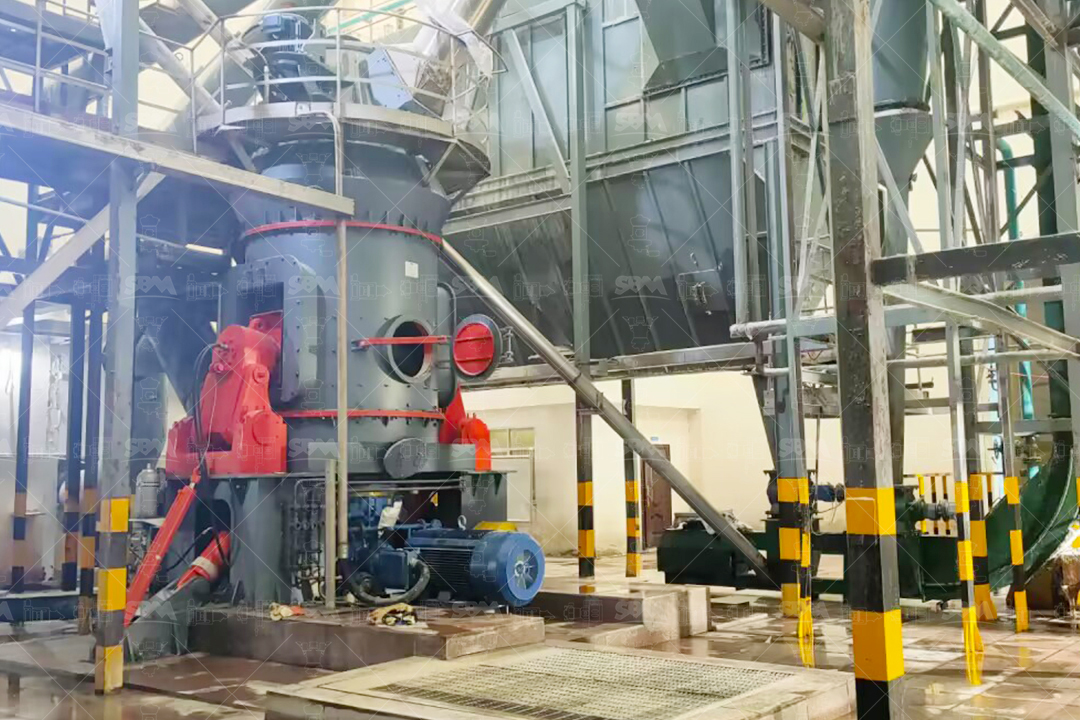
Why Vertical Roller Mills Are Suited for Cement Raw Meal and Clinker
The fundamental design of vertical roller mills makes them inherently well-suited to the demands of cement grinding. Unlike ball mills, which rely on impact and attrition from tumbling steel balls, vertical roller mills apply compressive force through rollers rotating on a grinding table. This principle allows for more efficient energy transfer to the material bed, resulting in significant power savings. For cement raw meal, which typically consists of limestone, clay, shale, and iron ore, the vertical roller mill can handle moisture levels up to 15% or more when equipped with an integrated drying system using hot gas from the kiln or a hot gas generator. The strong airflow within the mill not only transports the ground material to the classifier but also facilitates rapid moisture evaporation, eliminating the need for separate drying equipment in many cases.
When it comes to clinker grinding, the picture is slightly more nuanced. Clinker is a hard, abrasive material that traditionally posed challenges for early vertical mill designs due to high wear rates on grinding elements. However, advancements in wear-resistant materials and optimized roller geometries have largely overcome these issues. Modern vertical roller mills can grind clinker to the required Blaine fineness (typically 3000–4000 cm²/g) with lower specific energy consumption compared to ball mills. The ability to adjust grinding pressure and classifier speed in real time allows operators to fine-tune the product fineness and particle size distribution, which is crucial for achieving consistent cement strength and workability.
Our company has been at the forefront of this technological evolution. With decades of experience and a global footprint spanning over 180 countries and regions, we have developed grinding solutions that directly address the pain points of cement manufacturers. Our vertical roller mills are engineered to deliver reliable performance, whether processing raw meal with high moisture content or grinding abrasive clinker with minimal downtime.
Key Technical Advantages for Cement Applications
One of the most compelling reasons to adopt vertical roller mills for cement raw meal and clinker is the dramatic reduction in overall investment. The equipment integrates multiple functions—crushing, drying, grinding, powder separation, and transportation—into a single compact unit. This integrated approach simplifies the system layout, reduces the number of auxiliary equipment such as conveyors and bucket elevators, and cuts the required floor space by approximately 50% compared to a ball mill system. Furthermore, the mill can be arranged outdoors, which further lowers civil construction costs. For plant operators looking to minimize capital expenditure while maximizing production capacity, this is a significant advantage.
Operating costs also see a marked improvement. The grinding rollers in a vertical roller mill do not contact the grinding plate directly; instead, they grind the material bed formed on the plate. This design, combined with the use of high-quality wear-resistant materials, extends the service life of both rollers and liners. The energy consumption is typically 30% to 40% lower than that of a ball mill system for the same output. Additionally, the automatic control system—often based on PLC/DCS—allows for remote and local control switching, enabling precise adjustment of grinding pressure, roller speed, and classifier speed. This not only ensures stable operation but also reduces the need for constant manual intervention, saving on labor costs.
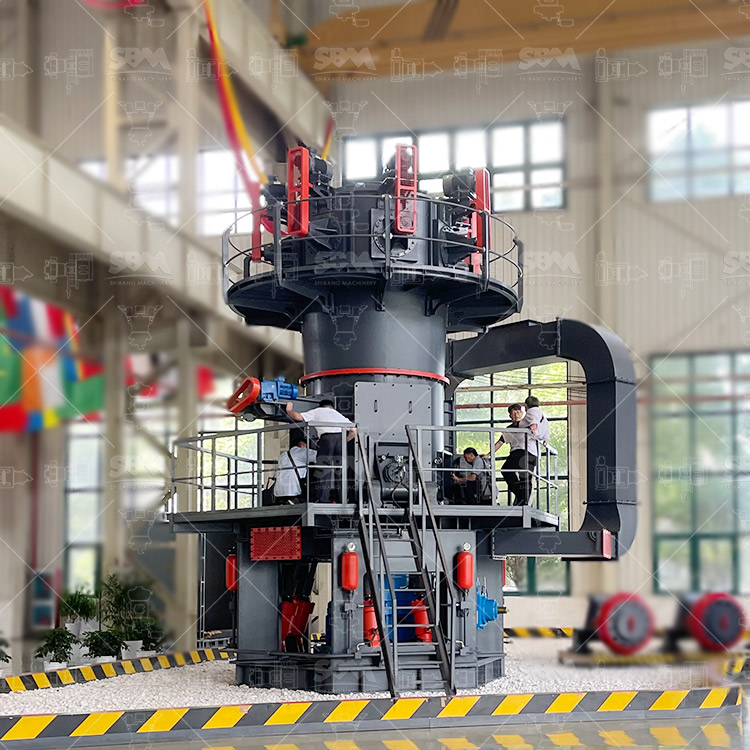
Environmental compliance is another critical factor in modern cement production. Vertical roller mills operate with low vibration and noise, and the entire system is sealed and works under negative pressure. This prevents dust spillover, and the emission levels meet or exceed national environmental standards. The efficient dust collection systems, such as pulse jet bag filters, ensure that the working environment is clean and safe for operators.
Addressing Common Challenges in Raw Meal and Clinker Grinding
Despite the clear advantages, some plant managers remain cautious about transitioning to vertical roller mills due to past experiences or industry myths. One common concern is the wear rate when grinding clinker. Early vertical mills did suffer from rapid wear on the roller tires and table liners. However, modern designs have addressed this through several innovations. For example, the use of combined-type shovel blades or curved shovel blades changes the feeding angle, allowing the material to be directed more efficiently into the grinding zone. This reduces slippage and unnecessary wear. The rollers themselves are often made of high-chromium cast iron or composite materials that offer a balance of hardness and toughness. When wear does occur, maintenance is straightforward: in many designs, only the blade of the shovel needs replacement, not the entire assembly, which keeps operating costs low.
Another frequent question revolves around the ability to handle variations in raw material moisture. Cement raw meal can be sticky, especially when clay components have high moisture content. Vertical roller mills with integrated hot gas supply can handle this effectively. The hot gas, which can be sourced from the kiln preheater or a standalone furnace, flows through the mill and evaporates moisture as the material is ground and conveyed. The strong airflow also prevents material buildup on the grinding table and rollers, ensuring continuous operation even with wet feed.
Product quality is a third area of concern. Some engineers worry that the particle size distribution from a vertical roller mill might differ from that of a ball mill, potentially affecting cement setting times and strength development. In reality, the adjustable classifier in a vertical roller mill allows for precise control over the cut point. The resulting cement often has a narrower particle size distribution, which can actually improve early strength. Moreover, the ability to grind to higher fineness (up to 400 mesh or finer, depending on the application) opens up opportunities for producing specialized cements and blended cements with supplementary cementitious materials like slag or fly ash.
Our vertical roller mills are designed with these challenges in mind. With input sizes up to 50mm and output sizes ranging from 30 to 400 mesh, they offer the flexibility needed for both raw meal and clinker. The capacity range of 3 to 400 tonnes per hour means they can be scaled from small grinding stations to large integrated cement plants. The cone gear whole transmission, arc air duct design, and volute design all contribute to higher transmission efficiency, reduced air energy loss, and lower maintenance costs.
Integration with Modern Cement Plant Automation
Modern cement plants are increasingly relying on automation to improve efficiency and reduce human error. Vertical roller mills are well-suited to this trend. They come equipped with expert automatic control systems that can interface with the plant's central control room. Parameters such as grinding pressure, roller speed, classifier speed, and gas flow can be monitored and adjusted in real time. This level of control ensures consistent product quality and optimal energy usage. It also allows for predictive maintenance, as trends in vibration, temperature, and power draw can indicate when wear parts need attention.
In addition, the compact footprint of a vertical roller mill makes it easier to integrate into existing plant layouts. Whether you are building a new production line or upgrading an old ball mill circuit, a vertical roller mill can often be installed in the same space or even outdoors, minimizing disruption to ongoing operations. The reduced number of machines also means fewer transfer points, which translates to lower dust generation and simpler maintenance.
Conclusion: A Proven Solution for Cement Grinding
In conclusion, vertical roller mills are not only capable of processing cement raw meal and clinker but are often the superior choice. They offer substantial savings in energy, capital investment, and operating costs, while also meeting stringent environmental standards. The technological hurdles that once limited their use have been largely overcome through material science and design improvements. For cement producers looking to stay competitive, investing in a vertical roller mill is a strategic move that pays dividends over the long term.
As a total solution provider for grinding equipment, our company continues to innovate and refine our vertical roller mill designs. With a global service network and a deep understanding of mineral processing workflows, we are committed to helping cement manufacturers achieve their production goals efficiently and sustainably.
Frequently Asked Questions
1. Can a vertical roller mill handle both raw meal and clinker in the same unit?
Yes, with proper configuration, a vertical roller mill can process both materials. However, because raw meal and clinker have different grindability and moisture characteristics, the mill settings (grinding pressure, classifier speed, gas flow) need to be adjusted accordingly. Some plants use separate mills for each application to optimize performance, while others use a single mill with a switchable mode. Our engineers can help you determine the best configuration based on your specific requirements.
2. What about the wear cost when grinding abrasive clinker? Isn't it very high?
Wear cost is a legitimate concern, but modern vertical roller mills have significantly reduced it. The use of high-chromium or composite wear parts, combined with optimized roller and table profiles, extends the service life. Additionally, the ability to replace only the worn surfaces (e.g., the shovel blade) rather than the entire assembly keeps maintenance costs manageable. In many cases, the total wear cost per ton of clinker is comparable to or even lower than that of a ball mill, especially when energy savings are factored in.
3. How does the vertical roller mill handle high moisture raw materials?
The mill can handle moisture levels up to 15% or more when equipped with an integrated drying system. Hot gas from the kiln or a hot gas generator is introduced into the mill. The turbulent airflow promotes rapid heat transfer, evaporating moisture as the material is ground and conveyed to the classifier. The system is designed to prevent condensation and material buildup, ensuring stable operation even with wet feed.
4. Is the product quality from a vertical roller mill as good as that from a ball mill?
Yes, and often better. The dynamic classifier in a vertical roller mill allows for precise control of the product fineness and particle size distribution. This results in a more consistent product with fewer overground particles. For cement, this can lead to improved strength development and better workability. The ability to adjust the classifier speed in real time means you can easily switch between different product grades.
5. What is the typical capacity range and power consumption of a vertical roller mill for cement grinding?
Our vertical roller mills for cement applications have a capacity range from 3 to 400 tonnes per hour, depending on the model and the desired fineness. The specific power consumption is typically 30% to 40% lower than that of a ball mill system for the same output. For example, grinding clinker to 3500 cm²/g might consume around 20–25 kWh/t with a vertical roller mill, compared to 30–35 kWh/t with a ball mill. Actual figures depend on the material grindability and the required fineness.


