

Future outlook: innovation directions for raymond mill in green processing of calcium carbonate
Published on: March 15, 2025
As the global calcium carbonate industry pivots toward sustainability, the Raymond mill—long a staple in powder processing—is undergoing a transformative evolution. This article summarizes the key innovation directions shaping the future of Raymond mill technology in green calcium carbonate processing. Drawing on decades of expertise in grinding equipment and insights from over 9,500 customers worldwide, we explore how advancements in mill design, energy efficiency, automation, and environmental performance are redefining the role of Raymond mills. From integrated grinding systems that minimize waste to intelligent control systems that optimize energy use, the future of Raymond mills lies in delivering higher output with lower environmental impact. The following sections delve into specific technological breakthroughs—such as wear-resistant components, optimized air flow dynamics, and advanced dust collection—that are enabling calcium carbonate processors to meet stringent green standards while maintaining profitability. Ultimately, the innovation trajectory points toward fully automated, low-emission, and resource-efficient grinding solutions that align with the circular economy principles.
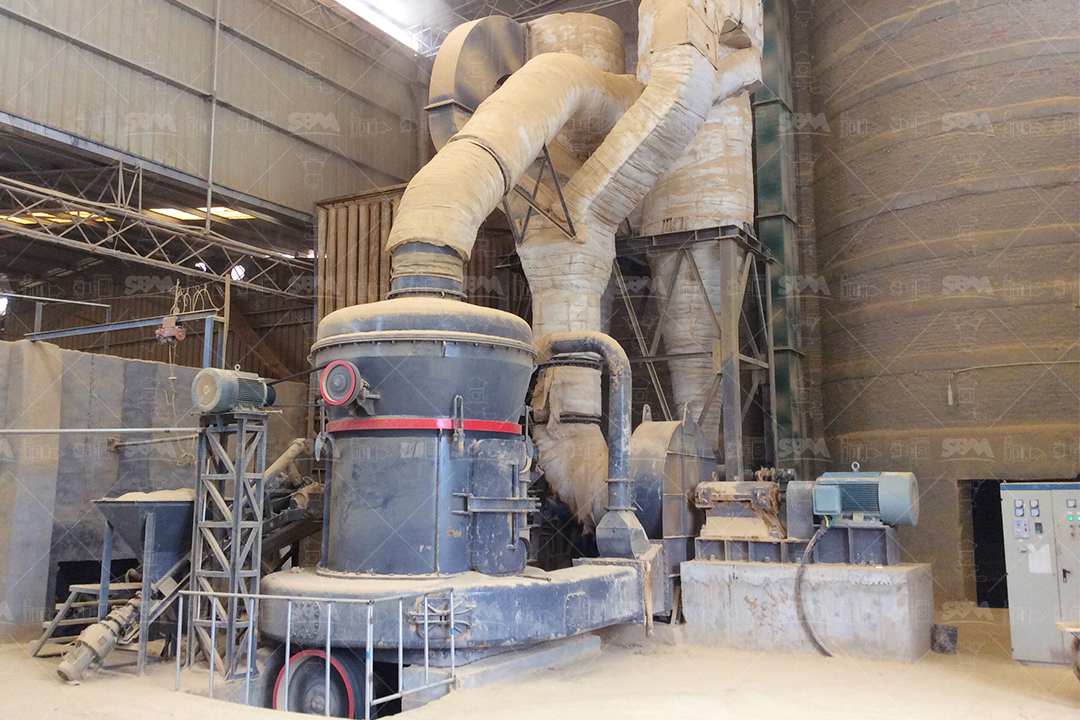
The calcium carbonate processing industry is at a crossroads. Demand for high-quality ground calcium carbonate (GCC) continues to rise across plastics, paper, paints, and pharmaceuticals, yet environmental regulations are tightening, energy costs are volatile, and customers expect higher fineness with lower operational footprints. In this context, the Raymond mill—a century-old workhorse—is far from obsolete. Instead, it is being reinvented through a series of innovation directions that prioritize green processing without sacrificing productivity or product quality.
At the heart of this transformation is the European Trapezium Grinding Mill (MTW Raymond Mill), a new generation of equipment developed through extensive research and customer feedback. This mill embodies several innovation directions that address the pain points of traditional Raymond mills. The cone gear whole transmission system achieves higher transmission efficiency, saves space, and lowers investment costs—critical for processors looking to scale up while keeping capital expenditures in check. The inner oil absorption lubrication system reduces maintenance frequency and extends component life, directly lowering operating costs. The unique wear-proof perching knife design includes a combined-type shovel blade that reduces the cost of wearing parts: only the blade needs replacement during maintenance, while the curved shovel blades change the feeding angle to prolong the service life of the roller and ring. This design directly tackles one of the most common customer complaints—frequent replacement of wear parts—by minimizing downtime and spare parts expenditure.
Another innovation direction is the optimization of air flow dynamics. The arc air duct design in the MTW Raymond Mill avoids air energy loss and ensures transportation efficiency, while the high-strength guard plate protects the working face of the air duct. The volute design further improves wind-driven transmission efficiency and reduces material maintenance costs. These seemingly minor engineering refinements add up to significant energy savings and reduced wear, aligning with green processing goals. In calcium carbonate grinding, where air classification is integral to product fineness, such improvements directly translate to lower specific energy consumption per ton of powder.
Environmental performance is perhaps the most critical innovation direction for the future of Raymond mills. Traditional mills often struggle with dust emissions and noise, leading to regulatory compliance issues and worker health concerns. Modern solutions integrate sealed systems operating under negative pressure, ensuring dust spillover is eliminated. The efficient double powder collecting method—combining powder collectors and pulse dust collectors—achieves dust collection effects far higher than international standards. Optimized sound insulation rooms and mufflers effectively prevent equipment noise from spreading. For calcium carbonate processors in urban or environmentally sensitive areas, these features are not optional but essential for obtaining and maintaining operating permits.
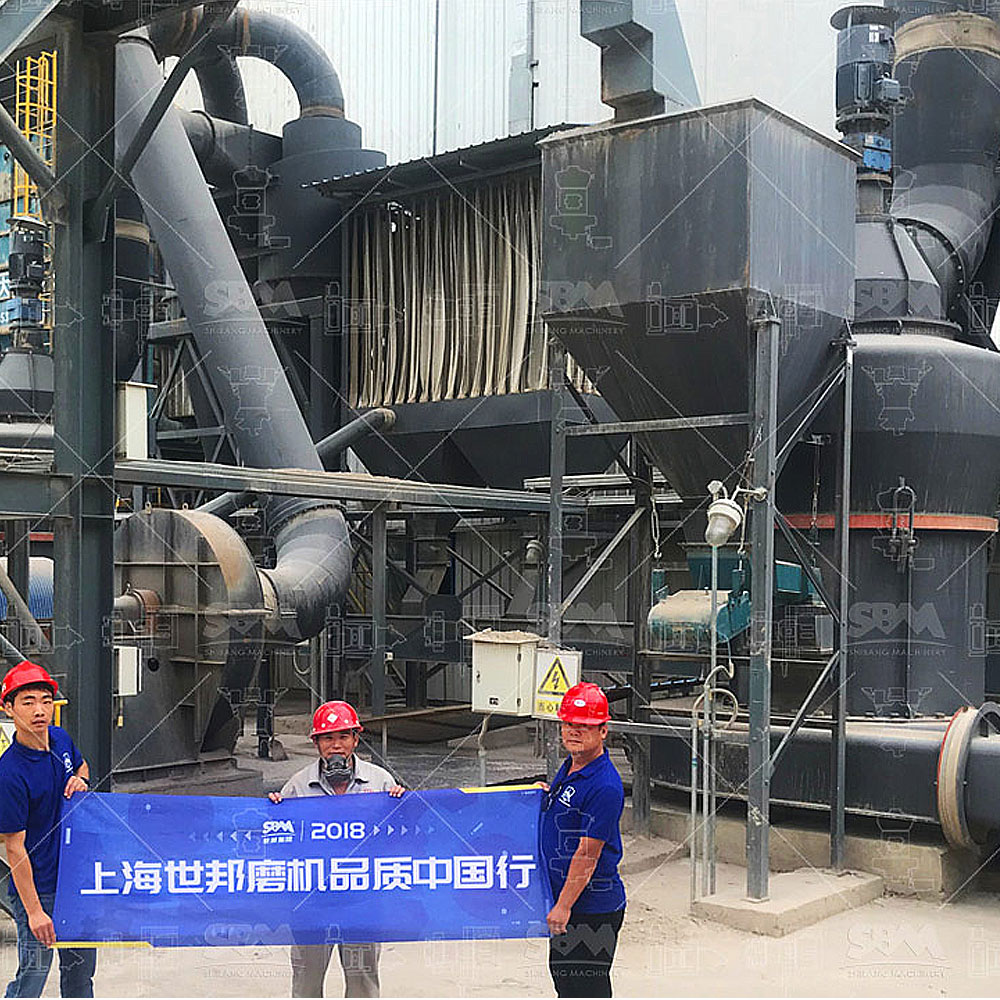
Automation and intelligent control represent another major innovation direction. The future Raymond mill will not be a standalone machine but part of an integrated grinding system with PLC/DCS automatic control. Remote and local control switching enables easy operation and saves labor costs—a significant advantage as skilled operators become scarcer and labor costs rise. Frequency-conversion control allows convenient adjustment of fineness, with automatic feedback ensuring fast and stable conversion of finished products. For calcium carbonate producers targeting multiple product grades—from 30 mesh to 400 mesh for standard fillers, to ultra-fine grades for specialty applications—this flexibility reduces changeover time and waste. The integration of expert automatic control systems also enables predictive maintenance, reducing unplanned downtime and extending equipment life.
Energy efficiency remains a central innovation direction. While Raymond mills are inherently more efficient than ball mills for fine grinding, there is still room for improvement. The future outlook includes further reductions in energy consumption through optimized grinding curves, better material bed formation, and advanced classifier designs. For instance, the principle of multi-rotor powder classifiers allows finished product fineness to be customized within a selected range, with no low-grade material in existence. This precision reduces the need for reprocessing and ensures that energy is spent only on producing the desired product size. In calcium carbonate processing, where over-grinding is a common source of wasted energy, such innovations are directly aligned with green processing principles.
Wear-resistant materials and component design are also evolving. The combined-type shovel blade design mentioned earlier is just one example. The roller and ring in modern mills are made of special materials that can increase durability several times over. The grinding chamber has no bearing screw, allowing stable operation free of vibration after balance treatment. For calcium carbonate, which can be abrasive depending on source and impurities, these material innovations reduce downtime and maintenance costs while ensuring consistent product quality. The small comprehensive investment and low operating costs of vertical roller mills—which share many innovation trajectories with Raymond mills—demonstrate how integrated design can reduce floor space by about 50% compared to ball-milling systems and lower energy consumption by 30% to 40%.
Looking ahead, the innovation directions for Raymond mills in green calcium carbonate processing can be summarized in five themes: first, higher transmission efficiency and lower maintenance through designs like cone gear whole transmission and combined-type shovel blades; second, optimized air flow and classification to reduce energy loss and improve product consistency; third, advanced environmental controls including sealed negative-pressure systems, efficient dust collectors, and noise reduction; fourth, intelligent automation with PLC/DCS control, remote monitoring, and frequency-conversion fineness adjustment; and fifth, integrated system design that combines crushing, drying, grinding, powder separation, and transportation into compact, resource-efficient layouts. These directions are not independent but interconnected—each innovation reinforces the others to create a holistic green processing solution.
For calcium carbonate processors, the practical implications are significant. A modern Raymond mill system can reduce specific energy consumption, minimize waste and emissions, lower labor requirements, and provide flexible product outputs that meet diverse market demands. The future outlook is not about replacing Raymond mills but about transforming them into intelligent, environmentally responsible, and highly efficient processing units. As regulations tighten and sustainability becomes a competitive advantage, investing in these innovation directions is not just an environmental imperative but a strategic business decision. The companies that embrace these advancements will be better positioned to thrive in the green economy of the future.
Frequently Asked Questions
1. What are the most common maintenance pain points with Raymond mills, and how do modern designs address them?
Customers frequently report that wear parts—especially blades, rollers, and rings—require frequent replacement, leading to downtime and high spare parts costs. Modern Raymond mill designs address this through unique wear-proof perching knife designs with combined-type shovel blades that only require blade replacement, curved shovel blades that change feeding angle to prolong roller and ring life, and special materials for rollers and rings that increase durability several times over. Additionally, inner oil absorption lubrication systems reduce maintenance frequency.
2. How can Raymond mills meet increasingly strict dust emission and noise regulations?
Traditional mills often struggle with dust and noise, but modern systems are designed with wholly sealed structures operating under negative pressure, preventing dust spillover. Efficient double powder collecting methods combining powder collectors and pulse dust collectors achieve dust collection effects far higher than international standards. Optimized sound insulation rooms and mufflers effectively prevent noise spread. These features ensure compliance with national environmental protection requirements and help processors maintain operating permits in sensitive areas.
3. Is it possible to adjust product fineness easily without losing production efficiency?
Yes. Modern Raymond mills and related grinding systems feature frequency-conversion control for convenient fineness adjustment, with automatic feedback ensuring fast and stable conversion of finished products. The efficient vertical turbine powder classifier achieves high efficiency and accurate cutting size with no spillover of coarse powder. This allows processors to switch between different product grades—from 30 mesh to 400 mesh—with minimal downtime and waste, meeting diverse market demands without sacrificing output.
4. What energy savings can be expected from upgrading to a modern Raymond mill system?
While specific savings depend on the application and baseline equipment, modern integrated grinding systems can achieve significantly lower energy consumption. For example, vertical roller mills—which share many innovation principles with modern Raymond mills—can reduce energy consumption by 30% to 40% compared to ball-milling systems. Optimized air flow dynamics, cone gear whole transmission, and advanced classifier designs all contribute to lower specific energy consumption per ton of powder, directly reducing operating costs and environmental impact.
5. Can a single grinding system handle both standard and ultra-fine calcium carbonate products?
Yes, with the right configuration. Modern grinding systems can be equipped with advanced classifiers and frequency-conversion control to adjust fineness across a wide range—from 30 mesh to 400 mesh for standard Raymond mills, and up to 2500 mesh or even D97≤5μm for ultra-fine applications. Integrated systems can incorporate multiple stages or switchable classifiers to produce different product grades without requiring separate production lines, offering flexibility and reducing capital investment for processors targeting diverse markets.


