

Troubleshooting analysis for raymond mill grinding activated carbon not fine enough
Published: October 26, 2023
When activated carbon fails to reach the desired fineness in a Raymond mill, the issue typically stems from a combination of factors including improper mill settings, worn grinding components, insufficient classifier adjustment, or unsuitable material properties. This article provides a comprehensive troubleshooting analysis for operators and plant managers facing this common challenge. Drawing on decades of experience and customer feedback from over 180 countries, we explore root causes and practical solutions. From optimizing the grinding roller and ring clearance to adjusting the analyzer blade speed and ensuring proper material feed characteristics, each potential culprit is examined. Additionally, we discuss when a traditional Raymond mill may be reaching its performance limits and how advanced alternatives like the MTW European Trapezium Mill or SCM Ultrafine Mill can provide a more reliable solution for achieving fine activated carbon powder. By systematically addressing these areas, producers can restore product quality, reduce downtime, and improve overall grinding efficiency.
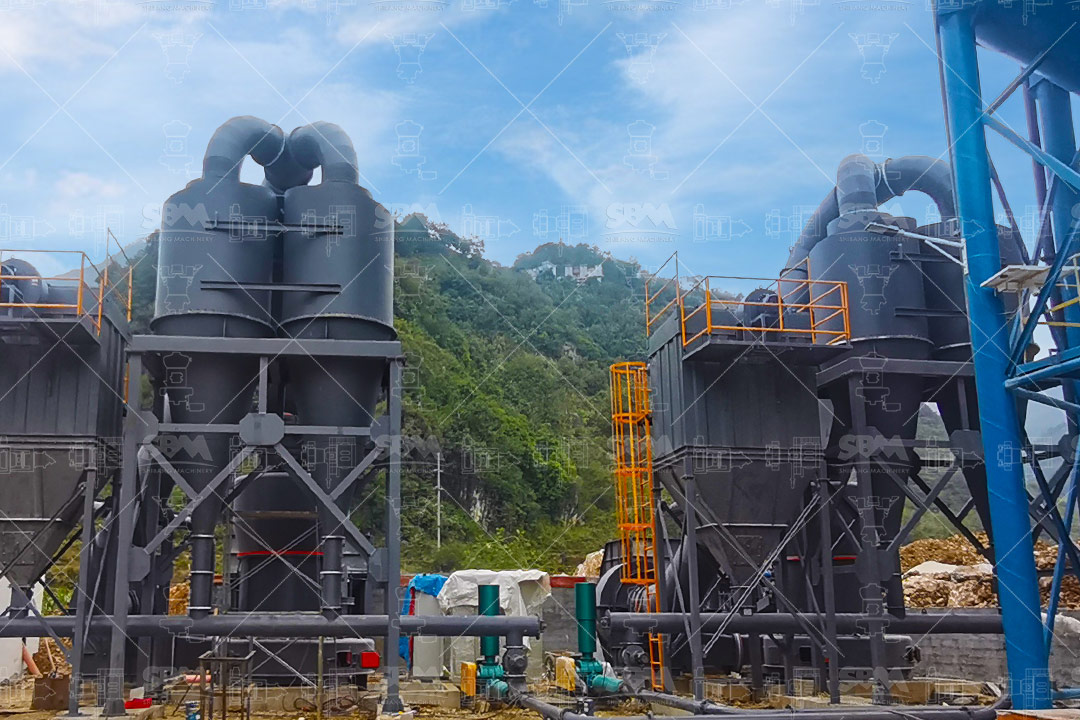
Activated carbon is a versatile material used in water purification, air filtration, and many industrial processes. Its high adsorption capacity depends heavily on the particle size distribution. When a Raymond mill—often the workhorse for such grinding—fails to deliver the required fineness, production targets and product quality suffer. This analysis breaks down the most frequent causes and offers actionable solutions, drawing on real-world experience and the technical advantages of modern grinding equipment.
1. Common Causes of Insufficient Fineness in Raymond Mill Grinding
1.1 Worn Grinding Components
The grinding roller and ring are the heart of any Raymond mill. Over time, abrasive activated carbon wears these parts, increasing the gap between roller and ring. This reduces the grinding pressure and leads to coarser powder. A quick inspection of wear patterns and clearance is the first step. In traditional mills, replacing worn roller and ring assemblies is necessary, but frequent replacement adds cost and downtime. Modern designs like the MTW European Trapezium Mill feature a unique wear-proof perching knife with a combined-type shovel blade that reduces wear part costs—only the blade needs replacement, and its curved design changes the feeding angle to prolong roller and ring life.
1.2 Incorrect Classifier Adjustment
The classifier (or analyzer) determines the final fineness by separating fine particles from coarse ones. If the classifier blade speed is too low, coarse particles escape; if the blades are worn or misaligned, separation efficiency drops. Operators should verify the classifier speed against the recommended setting for the target mesh. For activated carbon requiring 200–325 mesh, typical Raymond mills may struggle without precise adjustment. In contrast, the MTW mill's volute design improves wind-driven transmission efficiency, ensuring better classification.
1.3 Insufficient Grinding Force
Raymond mills rely on spring pressure or centrifugal force to press rollers against the ring. If the spring tension is insufficient, or if the roller arm is misadjusted, grinding force drops, resulting in coarser powder. Regular maintenance checks and proper tensioning are essential. However, for very fine grinding, the inherent design limits of a traditional Raymond mill may be reached. The MTW mill's cone gear whole transmission delivers higher transmission efficiency, allowing more consistent power delivery to the grinding zone.
1.4 Material Feed Characteristics
Activated carbon can vary in hardness, moisture content, and feed size. Feeding material that is too large (above 50mm) or too wet causes incomplete grinding. Ensure the feed size is within the mill's recommended range (MTW: 0–50mm) and that moisture is controlled. Additionally, excessive feed rate can overload the mill, reducing residence time and fineness. Adjust the feeder to maintain a steady, optimal load.
1.5 Airflow and Dust Collection Issues
Proper airflow is critical to transport ground particles to the classifier and then to the dust collector. Blocked air ducts, leaking seals, or a clogged dust collector reduce airflow, causing particle buildup and coarser product. The MTW mill's arc air duct design avoids air energy loss and ensures transportation efficiency, while its high-strength guard plate protects the duct working face.
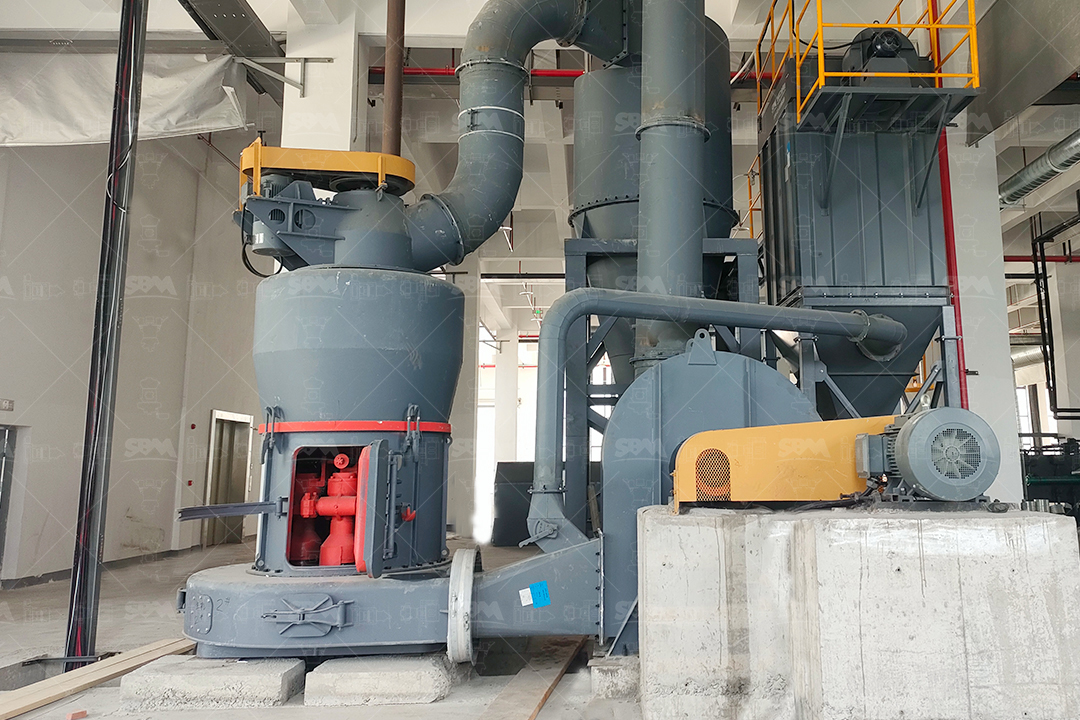
2. Step-by-Step Troubleshooting Guide
Step 1: Inspect Wear Parts
Measure the gap between roller and ring. If it exceeds the manufacturer's specification, replace or resurface. Check the shovel blade for wear; a worn blade reduces material pickup.
Step 2: Verify Classifier Speed and Blade Condition
Compare the classifier speed to the recommended value for the desired fineness. Inspect blades for wear or damage. In some mills, adjusting the number of blades or their angle can fine-tune separation.
Step 3: Check Grinding Pressure
For spring-loaded mills, ensure springs are compressed to the correct length. For mills with hydraulic or pneumatic loading, verify pressure settings. The MTW mill's inner oil absorption lubrication system reduces friction, allowing consistent pressure.
Step 4: Analyze Feed Material
Test the feed for moisture and particle size. If needed, pre-dry or pre-crush the activated carbon. Maintain a consistent feed rate that matches the mill's capacity.
Step 5: Evaluate Airflow and Dust Collection
Measure airflow at key points. Clean or replace air filters. Check for leaks in ducting and seals. Ensure the fan is operating correctly.
Step 6: Consider Mill Limitations
If the target fineness is finer than 325 mesh (45 μm), a traditional Raymond mill may be fundamentally limited. In such cases, upgrading to a higher-performance mill is more economical than endless troubleshooting.
3. When to Upgrade: Advanced Grinding Solutions
Activated carbon often requires fine grinding to 325 mesh or finer for certain applications. Traditional Raymond mills, while robust, may struggle to consistently achieve such fineness, especially at higher capacities. Two modern alternatives stand out:
MTW European Trapezium Grinding Mill (MTW Raymond Mill)
Developed after analyzing 9,500+ customer cases, this mill integrates cone gear whole transmission, an inner oil absorption lubrication system, and an arc air duct. Its output size ranges from 30 to 400 mesh, and capacity from 3 to 40 tph. The unique wear-proof perching knife design reduces operating costs, while the volute design improves wind-driven transmission efficiency. For activated carbon, the MTW mill offers more reliable fine grinding than conventional Raymond mills.
SCM Ultrafine Grinding Mill
When fineness requirements exceed 400 mesh, the SCM series is the solution. Its output can be adjusted from 325 to 2500 mesh (D97≤5μm achievable). With high output and low energy consumption—capacity more than twice that of jet mills while using 30% less energy—the SCM mill features an efficient vertical turbine powder classifier for precise cutting size and a heavy rotor design for durability. The double powder collecting method (powder collectors and pulse dust collectors) ensures environmental compliance.
LUM Ultrafine Vertical Mill
For even higher capacity (10–70 tph) and fineness up to 4000 mesh, the LUM vertical mill integrates grinding, separation, and transportation. Its unique roller shell and lining plate curve design improves grinding efficiency, and the multi-rotor powder classifier allows customized fineness. PLC/DCS automatic control ensures stable operation.
For many activated carbon producers, the root cause of insufficient fineness is simply that the traditional Raymond mill has reached its design limits. Upgrading to an MTW, SCM, or LUM mill can resolve the issue permanently while reducing energy costs and maintenance.
4. Preventive Maintenance to Avoid Fineness Problems
Regular maintenance is key to consistent product quality. Establish a schedule for:
- Inspecting and replacing wear parts (roller, ring, shovel blade).
- Checking classifier speed and blade condition.
- Lubricating bearings and gears (the MTW mill's inner oil absorption system simplifies this).
- Cleaning air ducts and dust collectors.
- Monitoring feed moisture and size.
Training operators on the specific mill and material is also crucial. Many fineness issues arise from improper adjustments rather than equipment failure.
5. Conclusion
Troubleshooting a Raymond mill that is not grinding activated carbon fine enough requires a systematic approach: check wear parts, classifier, grinding force, feed characteristics, and airflow. Often, a combination of adjustments restores performance. However, when fineness demands exceed the mill's capabilities, upgrading to advanced equipment like the MTW European Trapezium Mill or SCM Ultrafine Mill provides a reliable, cost-effective solution. With over 180 countries served, our grinding equipment is backed by decades of expertise and continuous innovation. By addressing root causes and considering modern alternatives, producers can achieve the fine activated carbon powder their applications demand.
Frequently Asked Questions (FAQ)
Q1: Why does my Raymond mill suddenly produce coarser activated carbon powder?
A sudden change usually indicates worn grinding components (roller, ring, or shovel blade) or a misadjusted classifier. Inspect these first. Also check for changes in feed material properties or airflow blockages.
Q2: Can I achieve 325 mesh with a traditional Raymond mill?
Some Raymond mills can reach 325 mesh under optimal conditions, but it is often at the limit of their capability, leading to reduced capacity and increased wear. For consistent 325 mesh or finer, consider an MTW or SCM mill.
Q3: What is the most common mistake when grinding activated carbon?
Feeding material that is too wet or too large is a frequent mistake. Activated carbon should be dry (typically <1% moisture) and within the mill's recommended feed size (e.g., 0–50mm for MTW). Overfeeding also reduces fineness.
Q4: How often should I replace the grinding roller and ring?
It depends on the abrasiveness of the activated carbon and operating hours. Inspect monthly and replace when the gap exceeds specifications or when fineness drops despite adjustments. The MTW mill's wear-proof design extends replacement intervals.
Q5: My mill is old; is it worth upgrading to a new grinding mill?
If you frequently face fineness issues, high energy costs, or excessive maintenance, upgrading to a modern mill like the MTW, SCM, or LUM series can be more economical in the long run. These mills offer higher efficiency, precise fineness control, and lower operating costs.


