

Working principle and advantages of ultra-fine cement mill
Published on: 2025-03-21
Ultra-fine cement mills are essential in modern construction and building materials industries, enabling the production of high-performance cement with exceptional fineness. These mills operate on advanced grinding principles that combine mechanical forces and airflow classification to achieve particle sizes as fine as a few micrometers. Compared to traditional grinding equipment, ultra-fine cement mills offer significant advantages including higher output, lower energy consumption, precise fineness control, and superior environmental performance. This article explores the working principle and key benefits of ultra-fine cement mills, drawing on SBM Machinery's extensive expertise in grinding solutions. By understanding how these mills function and why they outperform conventional systems, customers can make informed decisions to optimize their production lines, reduce operating costs, and meet stringent quality standards.
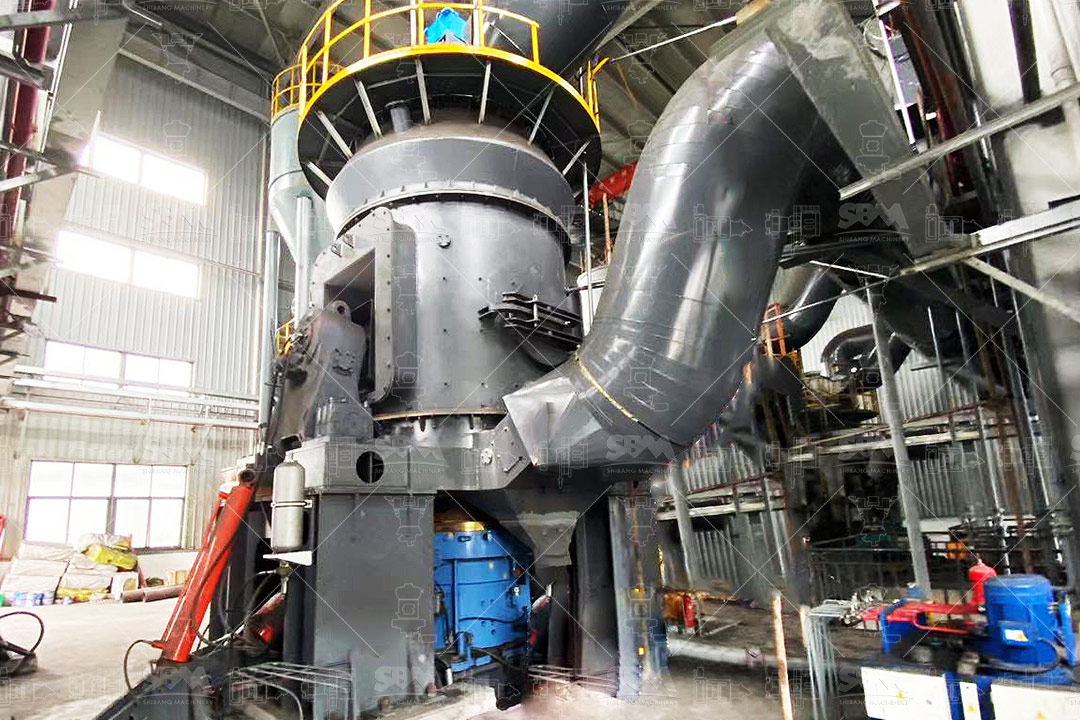
Working Principle of Ultra-Fine Cement Mills
At the heart of an ultra-fine cement mill is a sophisticated grinding mechanism that integrates crushing, drying, grinding, and classification into a single compact unit. The raw material, typically clinker and additives with a feed size of up to 20 mm, enters the grinding chamber where it is subjected to high-pressure forces from rotating rollers or grinding discs. Unlike traditional ball mills that rely on impact and attrition from falling steel balls, ultra-fine mills utilize a material bed grinding principle. The rollers press the material against a rotating grinding plate, creating a highly efficient crushing action that reduces particles to the desired fineness. Simultaneously, a stream of hot air or gas flows through the mill, drying the material and transporting the fine powder upward to a dynamic classifier. The classifier, often a high-efficiency turbine or multi-rotor design, separates particles based on size: fine particles exit with the airflow as finished product, while coarse particles are rejected and returned to the grinding zone for further reduction. This closed-loop system ensures consistent product fineness and maximizes energy efficiency.
Key Technical Advantages
SBM Machinery's ultra-fine cement mills, including the SCM series ultrafine grinding mill and LUM ultrafine vertical mill, incorporate several patented technologies that deliver tangible benefits to cement producers. The SCM series achieves fineness from 325 to 2500 mesh with a one-time output of D97 ≤ 5 μm, while the LUM series offers capacities up to 70 tph and fineness up to 4000 mesh. Both models exemplify the advantages outlined below.
1. High Output and Low Energy Consumption
The integration of efficient grinding and classification reduces energy waste. The SCM ultrafine mill, for instance, has a capacity more than twice that of jet mills while consuming 30% less energy. The LUM vertical mill uses a material bed grinding principle that consumes 30–40% less energy than ball mill systems. This translates directly into lower operating costs and a smaller carbon footprint.
2. Precise Fineness Control and Product Quality
Frequency-conversion control and advanced classifier designs allow operators to adjust fineness seamlessly. The SCM mill's efficient vertical turbine classifier ensures accurate cutting size with no coarse powder spillover. The LUM mill's multi-rotor classifier enables customized fineness ranges, eliminating low-grade material. This precision is critical for producing high-performance cement with consistent properties.
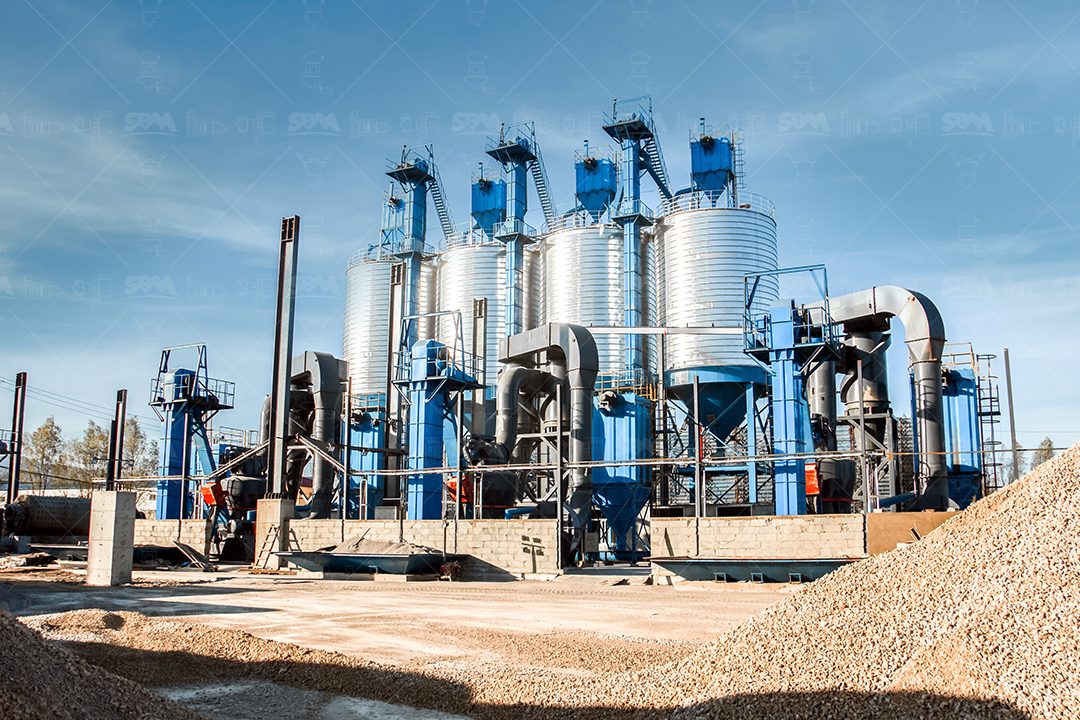
3. Low Maintenance and Long Wear Life
The grinding rollers and liners are made from special wear-resistant materials, extending service life several times over. The SCM mill's grinding chamber has no bearing screw and is balanced to operate without vibration. The LUM mill's unique roller and liner curve design promotes material bed formation, reducing wear and improving efficiency. The combined-type shovel blade in other models allows replacement of only the blade, cutting spare parts costs.
4. Environmental Protection and Workplace Safety
Both SCM and LUM mills feature fully sealed systems operating under negative pressure, preventing dust escape. The efficient double powder collecting method (powder collector + pulse dust collector) achieves dust emission far below international standards. Optimized sound insulation and mufflers keep noise levels low. These features ensure compliance with increasingly strict environmental regulations and protect worker health.
5. Intelligent Automation and Easy Operation
PLC/DCS automatic control systems enable remote monitoring and adjustment of grinding pressure, disc speed, and classifier speed. The SCM mill provides automatic feedback with fast, stable conversion of finished products, saving labor costs. The LUM mill's frequency-conversion speed regulation allows quick adaptation to different materials. Users benefit from reduced manual intervention, stable operation, and higher overall equipment effectiveness.
Conclusion
Ultra-fine cement mills represent a significant leap forward in grinding technology. By leveraging material bed grinding, dynamic classification, and intelligent control, SBM Machinery's SCM and LUM series deliver high output, low energy consumption, precise fineness, long wear life, and environmental compliance. These advantages address the most pressing pain points of cement producers: rising energy costs, stringent quality requirements, maintenance downtime, and environmental regulations. With over 180 countries served and a reputation for total grinding solutions, SBM Machinery continues to help customers achieve sustainable, profitable operations in the cement and mineral processing industries.
Frequently Asked Questions (FAQ)
1. What is the main difference between an ultra-fine cement mill and a traditional ball mill?
Ultra-fine cement mills use a material bed grinding principle with rollers pressing material against a rotating plate, combined with dynamic classification, whereas ball mills rely on impact and attrition from steel balls. This makes ultra-fine mills more energy-efficient (30–40% lower consumption), capable of achieving finer product sizes (down to 5 μm), and more compact, with integrated drying and classification functions.
2. How do I control the fineness of the final cement product?
Fineness is adjusted via the classifier speed and, in some models, frequency-conversion control. By increasing the classifier rotor speed, coarser particles are rejected and returned for regrinding, yielding a finer product. SBM mills offer fineness ranges from 325 to 4000 mesh, with easy adjustment through the PLC control system.
3. What maintenance is required to keep the mill running efficiently?
Regular inspection and replacement of wear parts (rollers, liners, and blades) are necessary. SBM's wear parts are made from high-quality materials for extended life. The grinding chamber has no bearing screws and is balanced for vibration-free operation, reducing maintenance frequency. The automatic control system also alerts operators to abnormal conditions, preventing costly breakdowns.
4. Can the mill handle diverse cement additives and moisture levels?
Yes. Ultra-fine cement mills are designed to grind clinker, gypsum, limestone, slag, fly ash, and other additives. The integrated drying function uses hot gas to handle moisture up to 10–15%, depending on the model. The milling process is robust and adaptable to variations in feed composition.
5. How does the mill address dust and noise emissions?
The entire system is sealed and operates under negative pressure, preventing dust leakage. A combination of powder collectors and pulse dust collectors achieves high dust collection efficiency, meeting national standards. Noise is minimized through optimized sound insulation and mufflers, ensuring a safe and environmentally friendly workplace.


