

Application and advantages of raymond mill in deep processing of kaolin
Published on: October 26, 2023
In the realm of deep processing of kaolin, the choice of grinding equipment is pivotal to achieving product quality and operational efficiency. The Raymond mill, particularly advanced models like the MTW Series European Trapezium Grinding Mill, has emerged as a cornerstone technology for this purpose. This article provides a comprehensive summary of the application and advantages of Raymond mills in kaolin deep processing. It highlights how these mills, with their innovative design and technical merits, effectively address the challenges of producing fine and ultrafine kaolin powders. Key advantages include enhanced grinding efficiency, precise fineness control, reduced operating costs, and superior environmental performance, making them an ideal solution for meeting the stringent requirements of industries such as paper, ceramics, paints, and plastics.
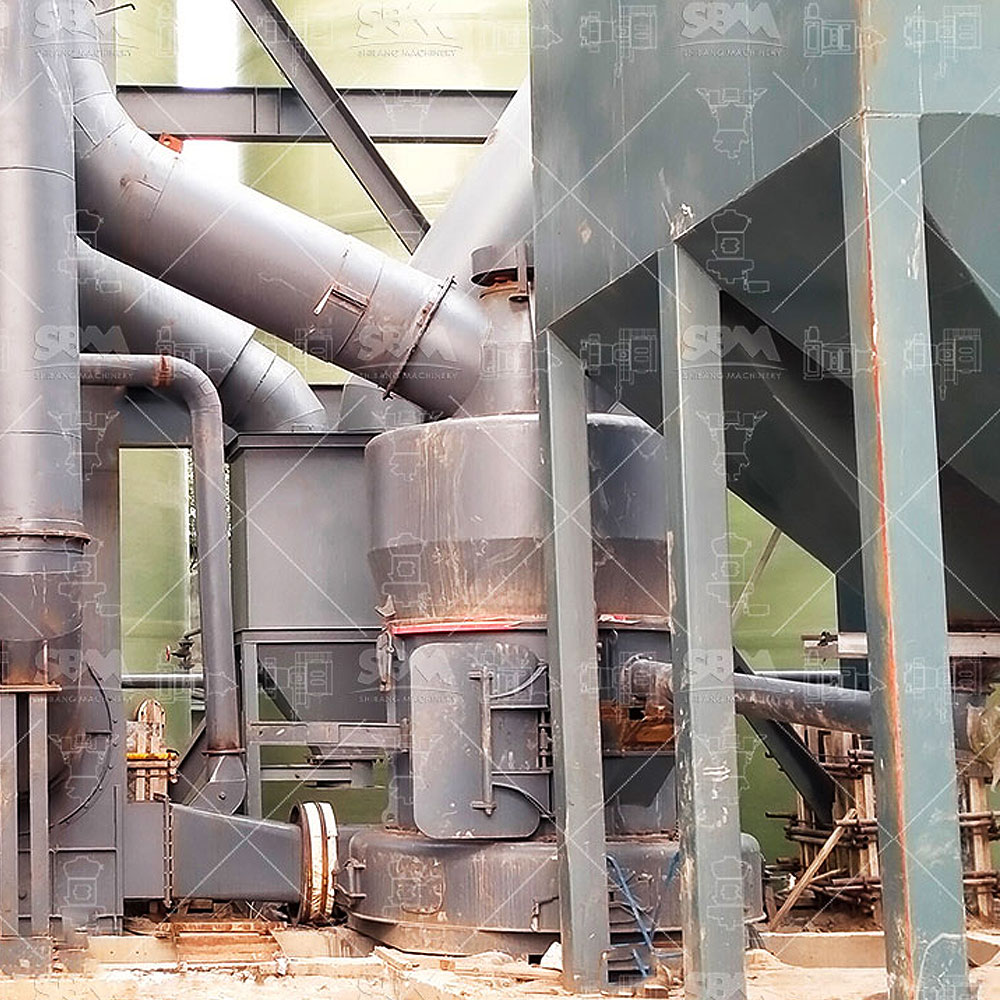
The deep processing of kaolin involves reducing the particle size of raw ore to create products with specific fineness and purity for various industrial applications. Traditional grinding methods often struggle with issues such as low output, high energy consumption, and inconsistent product quality. The modern Raymond mill, specifically the MTW Series European Trapezium Grinding Mill developed by SBM Machinery, is engineered to overcome these limitations. Its design is the result of extensive research, analysis of traditional mills, and integration of feedback from over 9,500 customers worldwide. This mill incorporates numerous international advanced technologies, including a cone gear whole transmission system, an inner oil absorption lubrication system, and an arc air flue design, positioning it as a technologically advanced solution for kaolin processing.
A primary advantage of the Raymond mill in kaolin deep processing is its ability to efficiently produce powders across a wide range of fineness, typically from 30 to 400 mesh. For many kaolin applications, this range is sufficient. The mill's unique wear-proof perching knife design, featuring a combined-type shovel blade, significantly reduces the cost of wearing parts. Only the blade needs replacement during maintenance, and its curved design alters the feeding angle to prolong the service life of the roller and ring. This translates directly into lower operating costs for the customer. Additionally, the arc air duct design minimizes air energy loss and ensures efficient transportation of the ground material, while the high-strength guard plate protects the duct's working face, enhancing durability.
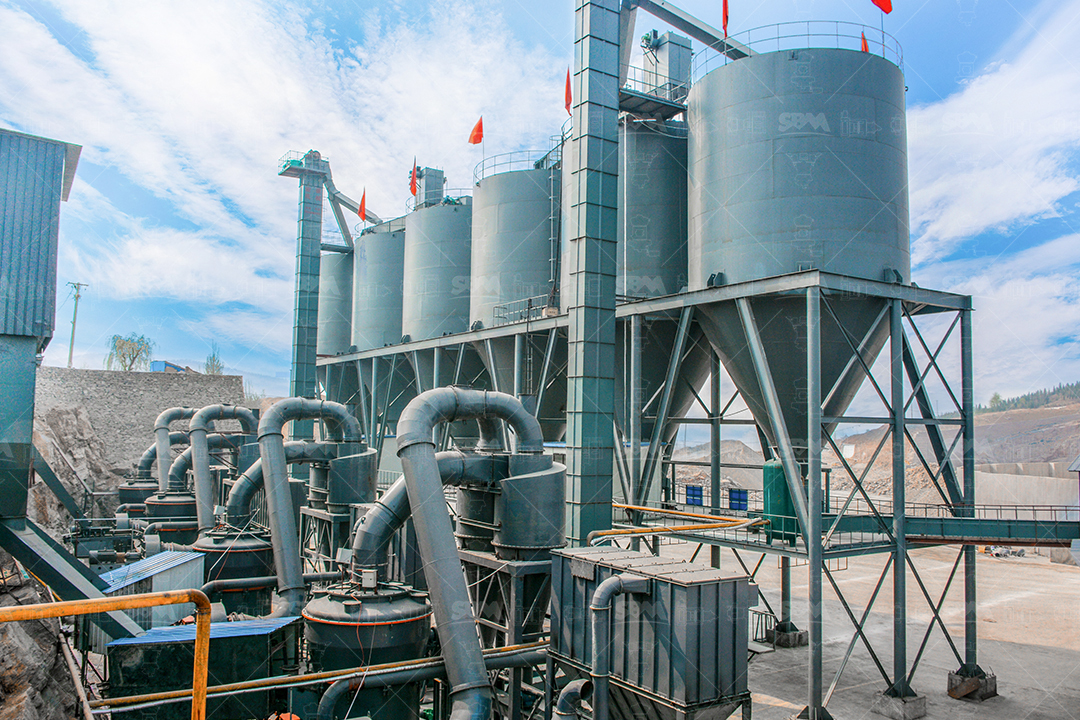
The cone gear whole transmission system is another significant innovation. It achieves higher transmission efficiency, saves space, and reduces the initial investment cost by eliminating the need for separate drive components. The volute design, unobstructed and wear-resistant, further improves the efficiency of wind-driven transmission within the mill and reduces maintenance costs for material handling. These technical features collectively ensure a stable, high-efficiency grinding process that is essential for consistent kaolin production. For applications demanding even finer particle sizes, such as ultrafine kaolin for high-end paper coating or specialized ceramics, the SCM series ultrafine grinding mill can be employed. This mill can adjust powder fineness from 325 to 2500 meshes, with a one-time fineness reaching D97≤5μm, addressing the limitations of general Raymond mills in meeting market demands for ultrafine powders.
Kaolin processors often face the challenge of balancing high output with low energy consumption. The Raymond mill addresses this through its optimized design. The bevel gear integral transmission and efficient air duct design contribute to a lower specific energy consumption per ton of product compared to older mill designs. Furthermore, the use of advanced materials for wear parts reduces the frequency of maintenance stops, improving overall equipment effectiveness (OEE). The mill's operation is also characterized by low vibration and noise, thanks to precise balancing and robust construction. The entire system is sealed and operates under negative pressure, preventing dust spillover and ensuring a clean working environment that meets national environmental protection standards. This is a critical factor for modern processing plants striving for sustainable operations.
For larger-scale kaolin operations or those requiring integrated drying, grinding, and classification, the LM Vertical Roller Mill presents a compelling alternative. It features a small comprehensive investment, with a footprint about 50% of a ball-milling system, and can be arranged outdoors. Its operating costs are low due to less wear and high efficiency, with energy consumption 30-40% lower than ball mills. The automatic control system enables easy operation and saves labor costs. For ultrafine kaolin production in specialized industries like plastics, PVC, and artificial stone, the LUM Ultrafine Vertical Mill offers high efficiency and quality of finished products, advanced separation technology, and intelligent control systems. The choice between a Raymond mill and a vertical mill often depends on the specific fineness target, capacity requirements, and the need for integrated drying.
In summary, the application of Raymond mill technology, particularly the advanced MTW Series, in kaolin deep processing offers a multitude of advantages. These include the ability to achieve a wide range of product fineness, significant reductions in operating and maintenance costs through innovative wear part design and efficient transmission systems, low energy consumption, and compliance with stringent environmental regulations. By selecting the appropriate mill model from a range of solutions—from the versatile MTW Raymond mill to the high-capacity LM Vertical Mill and the ultrafine SCM and LUM mills—processors can optimize their kaolin production lines to meet diverse market demands efficiently and sustainably. SBM Machinery's grinding equipment, serving over 180 countries and regions, provides the technological foundation and global support to help customers achieve their kaolin processing goals.
Frequently Asked Questions (FAQ)
1. What is the maximum fineness I can achieve with a Raymond mill for kaolin?
A standard Raymond mill typically processes kaolin to between 30 and 400 mesh. For applications requiring ultrafine powder (e.g., 325 to 2500 mesh or D97≤5μm), a specialized ultrafine mill like the SCM series is recommended.
2. My main concern is high energy consumption. How does your mill address this?
Our mills are designed for efficiency. The MTW Raymond mill uses a cone gear whole transmission and optimized air duct to reduce energy loss. Vertical mills like the LM series can reduce energy consumption by 30-40% compared to traditional ball mills. The SCM ultrafine mill also features low energy consumption relative to jet mills.
3. How do you handle wear parts and maintenance costs?
We focus on reducing your total cost of ownership. The MTW mill features a unique wear-proof perching knife design where only the blade needs replacement, and curved blades prolong the life of the roller and ring. Vertical mills use high-quality materials for rollers and plates to minimize wear. All designs aim to reduce downtime and spare part costs.
4. Is the grinding process environmentally friendly? Will it generate a lot of dust?
Absolutely. Our grinding systems are designed with environmental protection in mind. The equipment operates under negative pressure with a fully sealed system, preventing dust spillover. They are equipped with efficient dust collectors (pulse dust collectors in ultrafine mills) and noise reduction measures, ensuring emissions and noise levels meet or exceed national standards.
5. Can your mill handle both dry and wet kaolin processing?
Our Raymond mills and vertical roller mills are primarily designed for dry grinding processes. For wet processing needs, we offer different types of equipment, such as wet ball mills, which are widely used in mineral dressing operations. The choice depends on your specific process flow and final product requirements.


