

Application and development prospects of raymond mill in building materials industry
Published on: March 15, 2025
The Raymond mill, particularly the modern European trapezium grinding mill, has become an indispensable workhorse in the building materials industry, offering a versatile and efficient solution for processing a wide range of raw materials. As a total solution provider for grinding equipment, SBM Machinery has evolved its Raymond mill technology to meet the demanding requirements of producing cement, limestone powder, gypsum, and other vital construction materials. This article explores the specific applications of advanced Raymond mill technology within the building materials sector, detailing its technical advantages, operational benefits, and the future development prospects that will shape the industry. By leveraging innovative designs like the European trapezium mill, manufacturers can achieve higher efficiency, lower operating costs, and superior environmental performance, positioning themselves for sustainable growth in a competitive market. Through a comprehensive analysis of its applications and technological evolution, we will demonstrate how modern grinding solutions are transforming the production landscape for building materials.
Understanding the Modern Raymond Mill
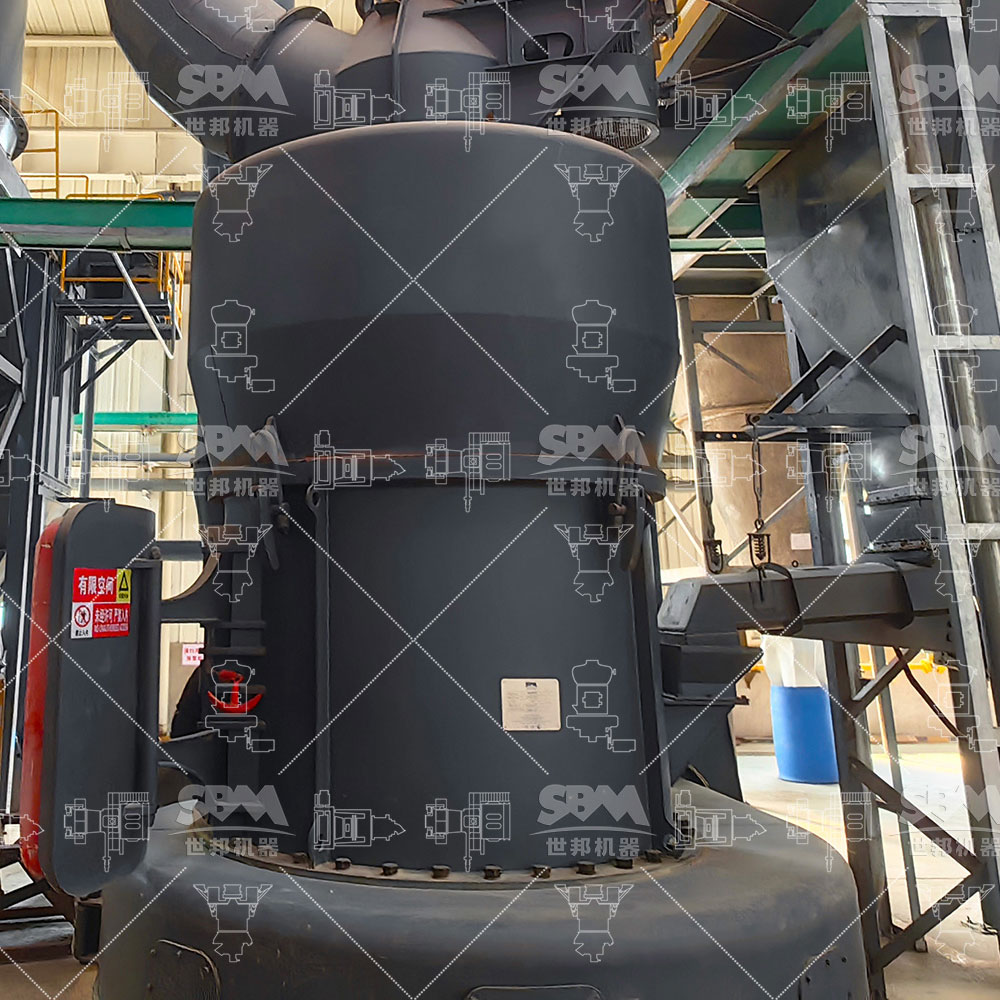
The traditional Raymond mill has long been a staple in the pulverizing industry. However, the demands of modern building materials production require more than what conventional mills can offer. The SBM Machinery MTW Series European Trapezium Grinding Mill, often referred to as the MTW Raymond Mill, represents a significant leap forward. This new generation of grinding mill was developed based on long-term research and development, structural analyses of traditional mills, and the integration of feedback from over 9,500 customers. The result is a machine with an international advanced level, designed to overcome the shortcomings of older models.
The MTW European Trapezium Mill is characterized by several innovative features that set it apart. It incorporates a cone gear whole transmission system, which offers higher transmission efficiency and a more compact structure. The inner oil absorption lubrication system ensures smoother operation and reduces maintenance needs. Additionally, the arc air flue design minimizes air energy loss and guarantees efficient material transportation. These technological advancements, including multiple autonomous patent technologies, make the MTW Raymond Mill a formidable tool for the building materials industry, capable of processing materials with an input size of 0-50mm to an output size of 30-400 mesh at capacities ranging from 3 to 40 tons per hour.
Key Applications in Building Materials Production
The building materials industry is incredibly diverse, and the Raymond mill's versatility makes it suitable for a vast array of applications. One of the most critical uses is in the preparation of limestone powder for environmental desulfurization. In power generation and industrial processes, limestone powder is injected into flue gases to remove sulfur dioxide. The efficiency of this process is highly dependent on the fineness and quality of the limestone powder, which the MTW Raymond Mill can consistently deliver.
Another major application is in the production of cement and concrete. Gypsum, clinker, and limestone are all ground to specific fineness to create the final cement product. The MTW mill's ability to handle various materials with different hardness levels makes it an ideal choice for cement plants. Furthermore, the production of heavy calcium carbonate (GCC) and other non-metallic mineral powders used as fillers in construction materials relies heavily on efficient grinding technologies. The mill's consistent output and adjustable fineness ensure that the final product meets the strict specifications required for high-quality building materials.
The development of specialized equipment like the SCM series ultrafine grinding mill has further expanded the possibilities. With the ability to adjust powder fineness from 325 to 2500 meshes and a disposable fineness reaching D97≤5um, the ultrafine mill is perfect for producing high-value added materials like high-performance coatings, sealants, and specialized cementitious composites. The LUM ultrafine vertical mill is another innovation that integrates grinding, separation, and transportation, specifically designed for processing materials like calcite, marble, and barite, which are essential in the production of fillers, flame retardants, and high-grade building products.
Technical Advantages Driving Efficiency and Sustainability
The technical advantages of modern Raymond mills directly translate to tangible benefits for building materials manufacturers. One of the most significant is the unique wear-proof perching knife design. The combined-type shovel blade reduces the cost of wearing parts, as only the blade needs to be replaced during maintenance. The curved design also changes the feeding angle, which prolongs the service life of the roller and ring, thereby reducing overall operating costs. This is a crucial factor for businesses looking to optimize their production economics.
Another key feature is the cone gear whole transmission system. This design achieves higher transmission efficiency compared to traditional belt-driven systems, saves space, and lowers investment costs. The volute design of the mill effectively improves the efficiency of wind-driven transmission while simultaneously reducing costs for material maintenance. These design choices collectively contribute to a more robust, reliable, and energy-efficient grinding operation.
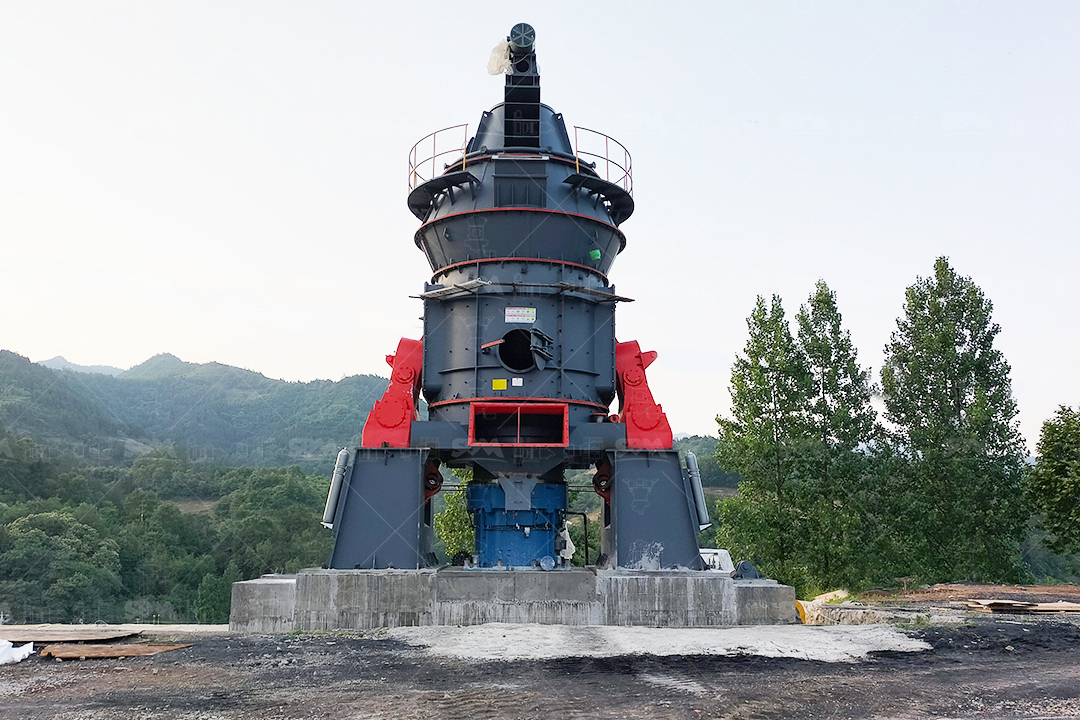
For larger-scale operations, the LM Vertical Roller Mill presents a compelling solution. This mill integrates crushing, drying, grinding, powder separating, and transportation functions into a single unit. It features a small comprehensive investment, with a floor space of about 50% of that of a ball-milling system, and can be arranged outdoors, greatly reducing infrastructure costs. The low operating costs are another major draw, with the roller and grinding plate made of high-quality materials to ensure less wear and longer service life. The grinding rollers directly grind materials on the grinding plate, featuring lower energy consumption—30% to 40% lower than that of ball-milling systems. The LM Vertical Roller Mill can achieve capacities ranging from 3 to 400 tons per hour, making it ideal for large-scale cement and slag grinding plants.
Environmental protection is another area where modern mills excel. The LM Vertical Roller Mill operates stably with little vibration and low noise. The system is wholly sealed and works under negative pressure, free of dust spillover, and meets national emission standards. Similarly, the SCM ultrafine mill uses an efficient double powder collecting method to achieve a dust collection effect far higher than international standards, and its optimized sound insulation room and muffler effectively prevent noise spread. For the building materials industry, which is often under scrutiny for its environmental impact, these features are not just beneficial but essential for regulatory compliance and community relations.
Intelligent Control and Automation
The integration of intelligent control systems is a hallmark of modern grinding equipment. The LM Vertical Roller Mill is equipped with an expert automatic control system that realizes free switching between remote and local control, ensuring easy operation and saving labor costs. This level of automation is particularly valuable in the building materials industry, where continuous operation and consistent product quality are paramount.
The LUM ultrafine vertical mill takes this a step further with its PLC/DCS automatic control system for pressure adjustment of the grinding roller. This ensures accurate control of grinding pressure, high efficiency, and stable operation. The frequency-conversion speed regulation allows the mill to be used for a variety of materials, enhancing its versatility. For the SCM ultrafine mill, automatic feedback with fast and stable conversion of finished products is a key feature, alongside intelligent control that directly saves labor costs. These automation features not only improve operational efficiency but also reduce the potential for human error, leading to more consistent product quality and less downtime.
Development Prospects and Future Trends
The development prospects for Raymond mill technology in the building materials industry are promising, driven by several key trends. Firstly, there is an increasing global demand for energy-efficient and environmentally friendly construction practices. As regulations on emissions and energy consumption become stricter, the industry will increasingly rely on equipment that can deliver high performance with a lower carbon footprint. The advanced grinding mills from SBM Machinery, with their low energy consumption and excellent dust control, are well-positioned to meet this demand.
Secondly, the trend towards producing higher value-added building materials requires finer and more consistent powders. The SCM series ultrafine mill and LUM ultrafine vertical mill are at the forefront of this trend, enabling the production of materials with fineness levels that were previously difficult to achieve economically. This opens up new possibilities for creating advanced construction products, such as high-strength concrete, self-levelling compounds, and specialized coatings.
Thirdly, the integration of digitalization and automation will continue to transform the industry. Future grinding systems will likely be even more connected, using data analytics and AI to optimize performance in real-time, predict maintenance needs, and further reduce operational costs. The intelligent control systems already present in SBM's mills are a step in this direction. Finally, as the industry moves towards a circular economy, the ability to process alternative materials and industrial by-products, such as slag and fly ash, will become increasingly important. The robust design of the LM Vertical Roller Mill makes it well-suited for grinding slag micro-powder, a key component in sustainable cement production. With over 180 countries and regions served, SBM Machinery is committed to providing total solutions that help building materials manufacturers worldwide navigate these trends and achieve their sustainability and productivity goals.
In summary, the evolution of the Raymond mill from its traditional form to the advanced European trapezium and vertical roller mills has significantly enhanced its application and value in the building materials industry. These modern machines offer superior efficiency, lower operating costs, and better environmental performance, directly addressing the industry's most pressing challenges. As the industry continues to evolve towards greater sustainability and higher quality, the role of advanced grinding technology will only become more critical. SBM Machinery remains dedicated to innovating and providing solutions that empower its customers to build a better future.
Frequently Asked Questions (FAQ)
1. How can I ensure the final powder fineness meets my specific building material requirements?
Achieving the correct fineness is crucial for product quality. Our mills offer a range of adjustable fineness. For standard requirements, the MTW European Trapezium Mill can produce 30-400 mesh powders. For more specialized, high-value materials, our SCM ultrafine mill can adjust fineness from 325 to 2500 meshes, with a disposable fineness of D97≤5μm. We also offer the LUM ultrafine vertical mill, which uses multi-rotor powder classifiers to customize the finished product fineness within a selected range, ensuring no low-grade material exists. Our technical team can help you select the right mill and configuration based on your specific material and fineness targets.
2. My main concern is energy consumption and operating costs. How do your mills address this?
This is a common and important concern. We have designed our equipment to significantly reduce operating costs. The LM Vertical Roller Mill, for instance, consumes 30%~40% less energy than a traditional ball-milling system because the grinding rollers directly grind materials on the grinding plate. Additionally, wear parts are made from high-quality materials, and designs like the wear-proof perching knife with a combined-type shovel blade reduce the cost of spare parts and prolong the service life of the roller and ring. The integrated design of the LM mill also reduces the need for additional conveying equipment, saving both energy and space.
3. The building materials industry is under strict environmental regulations. Are your mills environmentally friendly?
Absolutely. Environmental protection is a core design principle. Our mills, such as the LM Vertical Roller Mill, operate under negative pressure, which prevents dust spillover and meets national emission standards. The SCM ultrafine mill uses an efficient double powder collecting method with pulse dust collectors, achieving a dust collection effect far higher than international standards. We also incorporate sound insulation rooms and mufflers to reduce noise. Our equipment can operate stably with minimal vibration, ensuring low noise levels and a cleaner working environment.
4. How do I know which mill is the best choice for my specific building material production line?
Selecting the right mill depends on several factors, including the type of raw material, desired fineness, required capacity, and available space. For standard applications like limestone grinding for desulfurization or cement production, the MTW European Trapezium Mill or LM Vertical Roller Mill are excellent choices. For ultrafine grinding of materials like calcite or marble for high-end applications, the SCM or LUM ultrafine mills are more suitable. We work with you as a total solution provider, considering your entire mineral processing workflow. Our experts analyze your specific requirements and provide a tailored recommendation to ensure optimal performance and cost-efficiency.
5. What kind of maintenance is required to keep these advanced mills running smoothly?
Our mills are designed for reliable operation and easy maintenance. Features like the inner oil absorption lubrication system ensure smooth operation and reduce maintenance frequency. The combined-type shovel blade in the MTW mill only requires the blade to be replaced, not the entire assembly. The LM Vertical Roller Mill's automatic control system allows for remote monitoring and control, helping to identify potential issues early. We provide comprehensive support, including installation, commissioning, and training for your operators, to ensure your team can perform routine maintenance effectively. Our global service network is available to provide timely assistance and genuine spare parts whenever needed.


